


Hotel Project Furniture Customization Guide: Creating a High-End and Comfortable Guest Experience
Publish Time:
2024-12-31
In the highly competitive hotel industry, a superior guest experience is one of the key factors in attracting and retaining customers. As an important element that guests come into daily contact with, hotel furniture's design and quality directly affect the overall image of the hotel and customer satisfaction. Therefore, reasonable hotel project furniture customization can not only enhance the hotel's grade but also create a high-end and comfortable living environment for guests. This article will discuss in detail the key elements and implementation strategies of hotel project furniture customization to help hotel owners create an excellent guest experience.
I. Clarifying Needs and Overall Planning
1. Understanding Hotel Positioning and Target Customers
Before undertaking furniture customization, it is first necessary to clarify the hotel's positioning and target customer groups. This will affect the style, materials, and functions of the furniture. For example, high-end luxury hotels may prefer to use classic European or modern minimalist styles, while boutique hotels may prefer unique and individual designs.
2. Developing a Detailed Design Plan
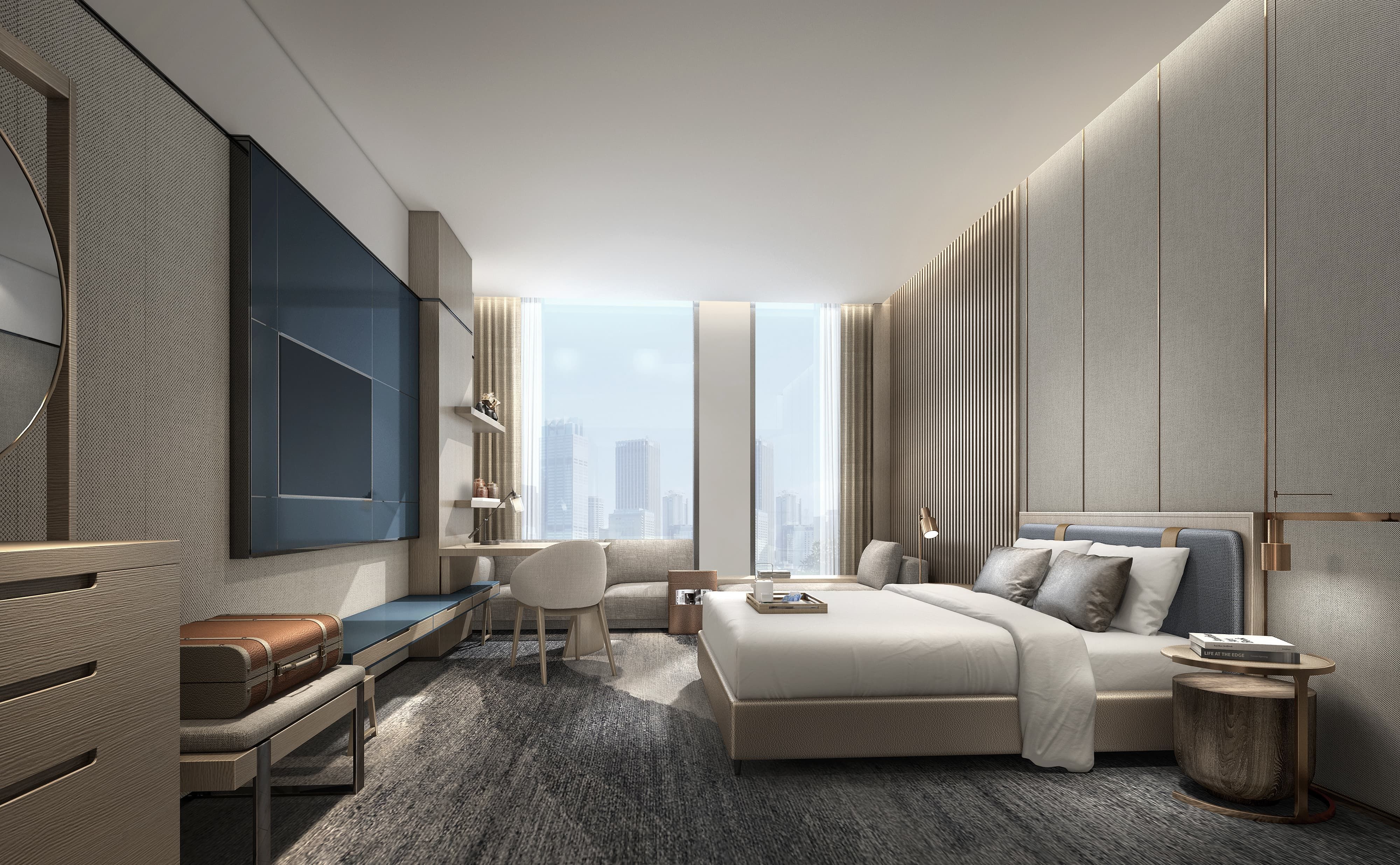
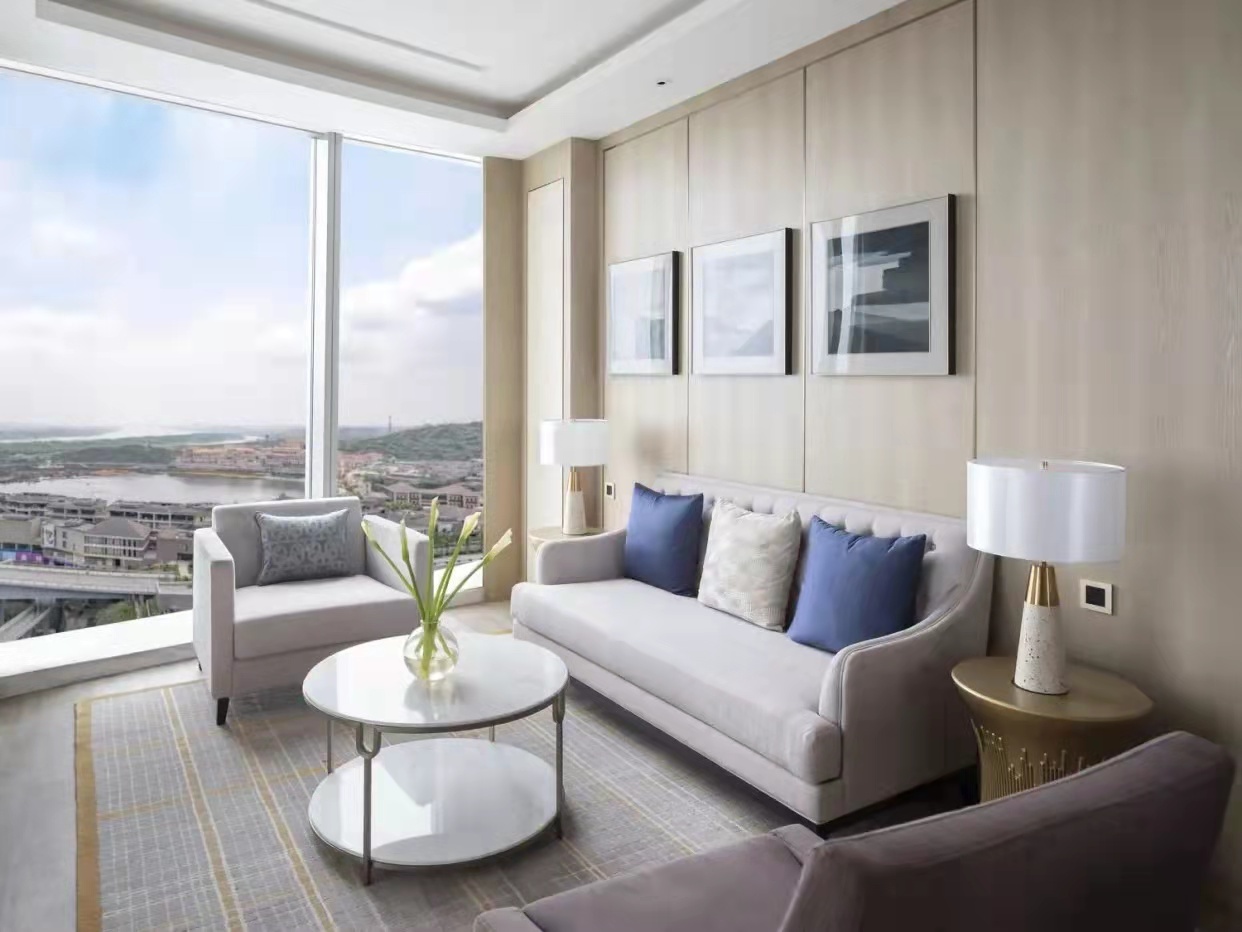
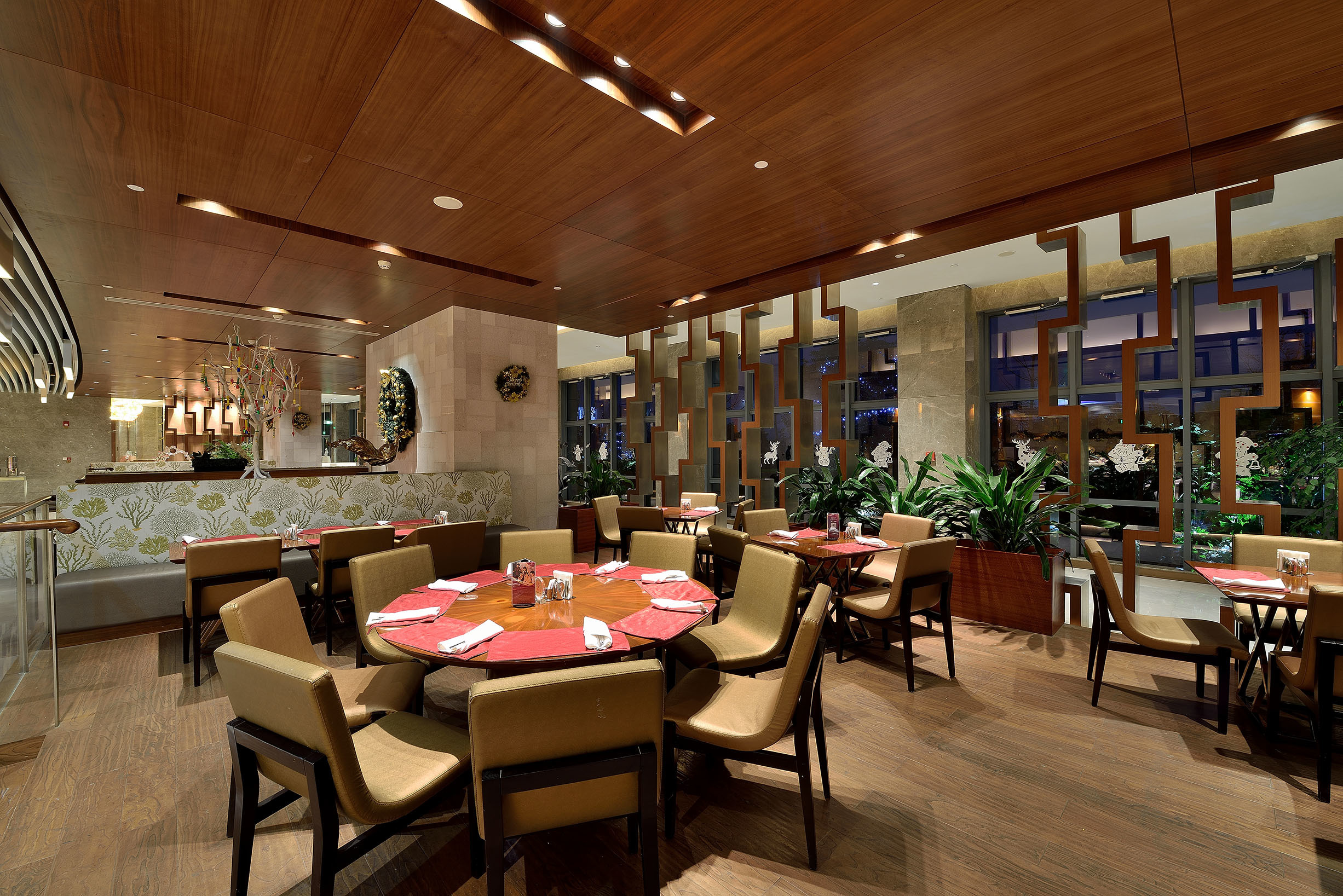
Based on the hotel's spatial layout and functional needs, a detailed design plan should be developed. This includes the furniture configuration of various areas such as the lobby, guest rooms, restaurants, meeting rooms, and leisure areas. Reasonable planning can ensure that the furniture in each area is both aesthetically pleasing and practical, and conforms to the overall design style.
II. Selecting High-Quality Materials
1. Durability and Aesthetics of Material Selection
Hotel furniture needs to withstand frequent use and repeated cleaning, so the durability and aesthetics of the materials are particularly important. Common high-end materials include solid wood, metal, stainless steel, high-quality leather, and high-density board materials. Choosing wear-resistant, easy-to-clean, and textured materials can effectively extend the service life of the furniture while enhancing the overall texture of the hotel.
2. Environmental Protection and Health Considerations
Modern hotels are increasingly paying attention to environmental protection and health. Choosing environmentally friendly materials not only conforms to the concept of sustainable development but also provides guests with a healthier living environment. Using materials with no formaldehyde and low volatile organic compounds (VOCs) ensures the safety and environmental friendliness of the furniture.
III. Emphasizing the Combination of Design and Function
1. Compliance with Ergonomics
The design of hotel furniture should comply with ergonomic principles to ensure guest comfort during use. For example, the height and softness of seats and beds should meet the needs of different guests to avoid discomfort caused by improper design.
2. Multi-Functionality and Flexibility
Modern hotel spaces often need to be flexible and changeable. The multi-functionality and modular design of furniture can meet the needs of different scenarios. For example, foldable tables and chairs, multi-purpose storage cabinets, etc., not only save space but also improve usability.
IV. Choosing Professional Customization Suppliers
1. Qualifications and Experience of Suppliers
Choosing a furniture customization supplier with rich experience and professional qualifications is the key to ensuring customization quality. Enterprises should examine the supplier's qualifications, successful cases, and customer feedback, and choose a partner with good reputation and strong technology.
2. Personalized Service and Communication
Excellent suppliers should have a high degree of customization ability and good communication skills, able to provide personalized design solutions based on the specific needs of the hotel. Good communication can ensure that the design scheme is highly consistent with the actual needs, avoiding deviations during the project.
V. Strict Quality Control and Supervision
1. Establishing Detailed Quality Standards
During the customization process, enterprises should establish detailed quality standards and communicate clearly with the supplier. This includes material specifications, processing technology, finished product inspection, etc., to ensure that every link meets the expected quality requirements.
2. Implementing Full-Process Supervision
Supervision throughout the entire process, from design and production to installation, ensures that each link strictly follows the quality standards. Regular on-site inspections and quality audits are conducted to promptly identify and resolve problems, ensuring that the final delivered furniture meets high standards.
VI. Reasonably Controlling Budget and Cost Management
1. Budget Planning and Allocation
Before customizing furniture, a detailed budget plan should be developed, clarifying the expenditure range for each part. Based on different regional and functional needs, the budget should be allocated reasonably to ensure the best design effect without exceeding the budget.
2. Cost Control and Benefit Assessment
By optimizing design, selecting cost-effective materials and suppliers, costs are controlled while ensuring furniture quality. Regular cost-benefit assessments are conducted to ensure that the input-output ratio meets the expected goals, achieving optimal resource allocation.
VII. Focusing on Post-Maintenance and Service
1. Choosing Easy-to-Maintain Furniture
Hotel furniture needs to maintain a good condition for a long time. Choosing easy-to-clean and maintain materials and designs can reduce maintenance costs and workload. For example, using upholstered sofas that can be disassembled and cleaned, or tabletops with stain and scratch resistance.
2. Establishing a Complete After-Sales Service System
Ensure that the supplier can provide timely after-sales service and support to handle problems encountered during furniture use. Establish a complete maintenance and maintenance plan, regularly inspect and repair furniture to extend its service life.
VIII. Integrating Technology and Innovative Elements
1. Application of Smart Furniture
With the development of technology, smart furniture is gradually integrated into hotel design. For example, bedside tables with USB charging ports, smart dimming lights, adjustable smart beds, etc., enhance the technological feel and ease of use for guests.
2. Innovative Design and Personalized Customization
Through innovative design and personalized customization, a unique hotel furniture style is created, enhancing the hotel's brand recognition. Collaborate with designers to incorporate local cultural elements or unique design concepts to create a unique guest experience.
Conclusion
Hotel engineering furniture customization is a systematic and complex project involving multiple aspects such as demand planning, material selection, design optimization, supplier selection, quality control, budget management, and post-maintenance. Through scientific and reasonable planning and execution, hotel owners can create a high-end and comfortable guest experience, enhancing the hotel's overall competitiveness and brand value. Continuously paying attention to market trends and technological innovation and continuously optimizing furniture customization solutions will lay a solid foundation for the long-term development of the hotel.
Online Message
*We will contact you as soon as possible after receiving your message!
Friendly Links: