


When purchasing and customizing commercial office furniture, how do you choose the design and functionality that best suits the company's needs?
Publish Time:
2024-12-31
In today's competitive business environment, office space is not only a place for employees to work efficiently, but also an important reflection of a company's image and culture. Suitable office furniture can not only improve employee work efficiency and comfort, but also enhance the company's brand image. However, in the procurement and customization process of commercial office furniture, how to choose the design and functions that best meet the company's needs has become a problem that corporate managers need to consider deeply. This article will explore this topic from multiple perspectives to help companies make informed decisions when purchasing and customizing office furniture.
I. Deeply Understanding Corporate Needs
1. Corporate Culture and Image
The design of office furniture should be consistent with the company's culture and image. For example, technology companies may prefer a minimalist and modern design style, while creative companies may prefer furniture with rich colors and unique designs. Conveying the company's core values and culture through furniture style helps to enhance employee identification and customer goodwill.
2. Employee Needs and Work Habits
Different positions and departments have different needs for office furniture. Frequently used workstations need to have good ergonomic design to ensure employee comfort and health; meeting rooms need versatile and easily adjustable meeting tables and chairs to meet the needs of different scales and forms of meetings. Understanding the specific needs of employees can ensure that the purchased furniture truly meets the actual needs of the work.
II. Space Planning and Layout Optimization
1. Effective Use of Office Space
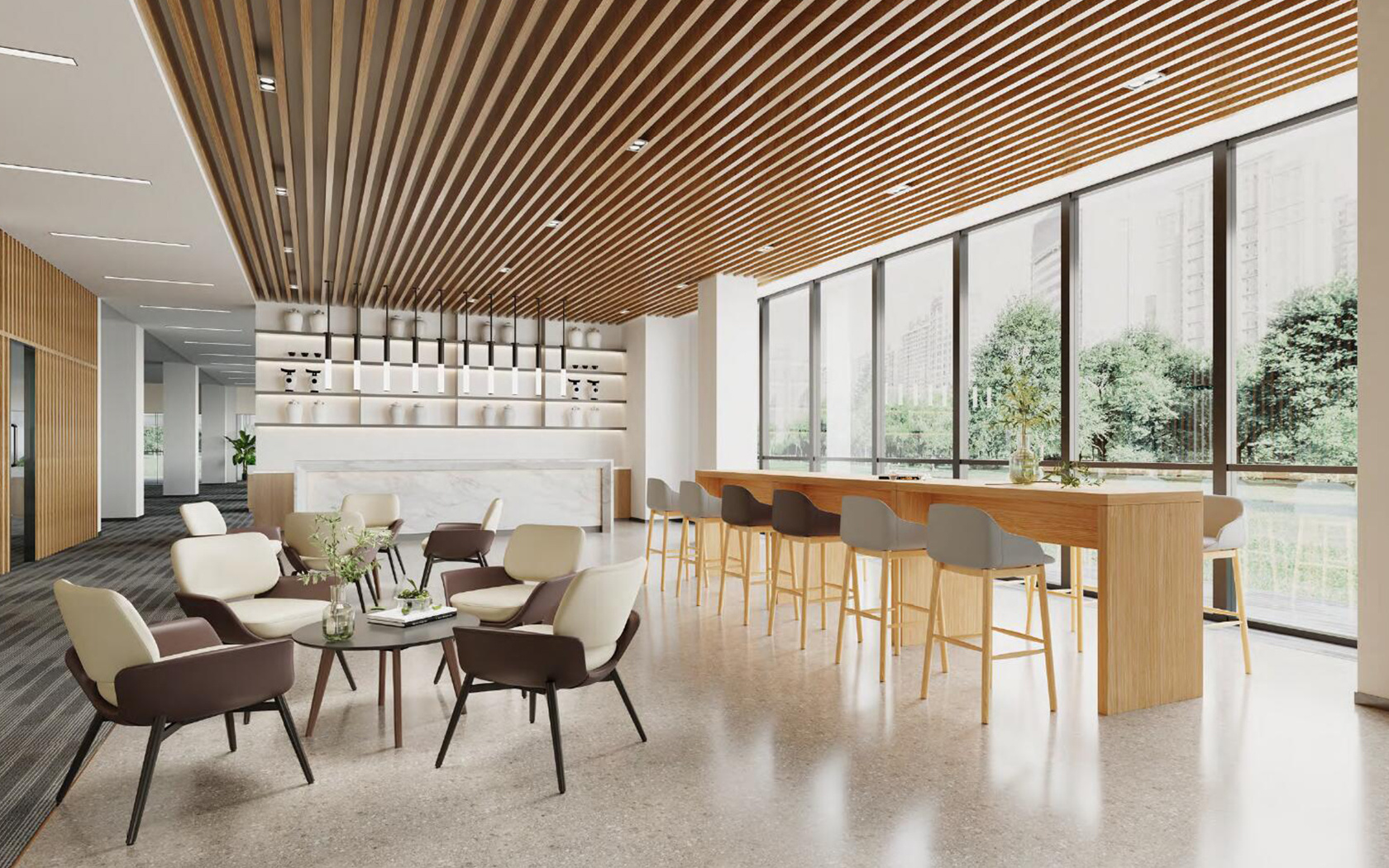
Before purchasing furniture, detailed office space planning is needed to ensure that the furniture can be reasonably arranged and maximize space utilization. For example, open-plan offices require flexible furniture to adapt to different team collaboration and communication needs; private offices need partitions and storage furniture to protect work privacy and data security.
2. Traffic Flow Design and Convenience
Reasonable furniture layout can optimize the traffic flow design of the office space, ensuring the convenience of employees and visitors. Avoid placing furniture too densely, affecting the fluidity and comfort of the office, and leave enough activity space to improve the overall comfort and efficiency of the office environment.
III. Focus on Ergonomics and Functionality
1. Ergonomic Design
Choosing office furniture that conforms to ergonomics can effectively prevent occupational diseases and improve employee work comfort and efficiency. For example, adjustable height desks, chairs that conform to the curve of the back, and keyboard trays with appropriate support can all provide employees with a better user experience.
2. Multifunctional Design
The modern office environment requires furniture to have multi-functionality to adapt to different usage scenarios and needs. For example, modular desk systems can be flexibly adjusted according to actual needs; office chairs with integrated storage functions not only save space but also improve the cleanliness of the office area.
IV. Balancing Aesthetics and Practicality
1. Design Aesthetics
The aesthetics of office furniture not only affect the overall atmosphere of the office environment but also affect the mood and work enthusiasm of employees. Choosing furniture with simple design and reasonable color matching can create a comfortable and professional office environment and improve the overall office atmosphere.
2. Durability and Practicality
While pursuing aesthetics, the durability and practicality of furniture are equally important. High-quality materials and craftsmanship can not only extend the service life of furniture but also reduce the extra costs caused by frequent repairs and replacements. Choosing functional and durable furniture is a wise long-term investment for the company.
V. Technology Integration and Intelligence
1. Meeting Technological Needs
Modern office furniture increasingly integrates various technological functions, such as power sockets, data interfaces, wireless charging pads, etc., to meet employees' high demand for electricity and networks at work. Choosing furniture with these functions can improve office efficiency and reduce the inconvenience caused by insufficient power or inconvenient data interfaces.
2. Intelligent Management
Intelligent office furniture uses Internet of Things technology to achieve intelligent management and monitoring of furniture. For example, an adjustable height intelligent desk can memorize employees' work habits and automatically adjust to the most comfortable height; intelligent storage cabinets can improve security through password or fingerprint recognition. These intelligent functions not only improve office efficiency but also enhance the technological sense of the office environment.
VI. Budget Control and Cost-Effectiveness
1. Comprehensive Budget Planning
When choosing office furniture, it is necessary to make comprehensive plans based on the company's actual budget. Considering the initial purchase cost, transportation costs, installation costs, and future possible maintenance and replacement costs, a detailed budget plan should be formulated to ensure the reasonable allocation of funds during the procurement process.
2. Balancing Cost and Benefits
Although high-quality office furniture has a higher initial investment, its durability and functionality can bring long-term benefits. Companies should comprehensively consider the service life of furniture, maintenance costs, and the improvement of employee productivity to choose cost-effective furniture products and achieve optimal use of funds.
VII. Choosing Reliable Suppliers
1. Supplier Reputation and Word of Mouth
Choosing furniture suppliers with good reputation and word of mouth can ensure product quality and after-sales service. By referring to supplier customer reviews, successful cases, and industry certifications, reliable partners can be selected to reduce procurement risks.
2. Customization Capabilities
Excellent suppliers should have rich customization experience and flexible customization capabilities, and can provide personalized solutions based on the specific needs of the company. Maintain good communication with the supplier to ensure that the design scheme accurately reflects the company's needs and expectations.
VIII. Environmental Protection and Sustainable Development
1. Selection of Environmentally Friendly Materials
Choosing office furniture made of environmentally friendly materials not only conforms to the company's social responsibility but also enhances the company's green image. Environmentally friendly materials usually have higher durability and safety, reducing the potential impact on employee health.
2. Sustainable Design Concept
Promoting sustainable design concepts and choosing recyclable and reusable furniture products helps reduce resource waste and advance a company's sustainability goals. This not only aligns with global environmental trends but also enhances brand value.
Conclusion
In the procurement and customization of commercial office furniture, selecting designs and functions that best suit the company's needs requires consideration of several factors, including corporate culture, space planning, ergonomics, technology integration, budget control, and supplier reliability. By thoroughly understanding the company's specific needs, rationally planning office space, emphasizing the aesthetics and practicality of furniture, and selecting high-quality products that meet environmental standards, companies can improve employee work experience and efficiency, enhance their overall brand image, and achieve long-term strategic goals. Ultimately, optimized office furniture procurement and customization will create an efficient, comfortable, and vibrant work environment for the company, helping it stand out in fierce market competition.
Online Message
*We will contact you as soon as possible after receiving your message!
Friendly Links: