



Can the school furniture supplier meet the requirements for customization and environmental protection?
Publish Time:
2024-12-30
In the modern educational environment, school furniture is not only an important part of teaching activities, but also directly affects students' learning experience and physical and mental health. Therefore, choosing a furniture supplier that can meet customized and environmentally friendly requirements has become a key factor that educational institutions need to consider during the procurement process. This article will delve into whether school furniture suppliers can meet customized and environmentally friendly requirements, and provide a reference for schools in choosing partners.
I. Importance of Customized Needs
1.1 Diversified School Functions
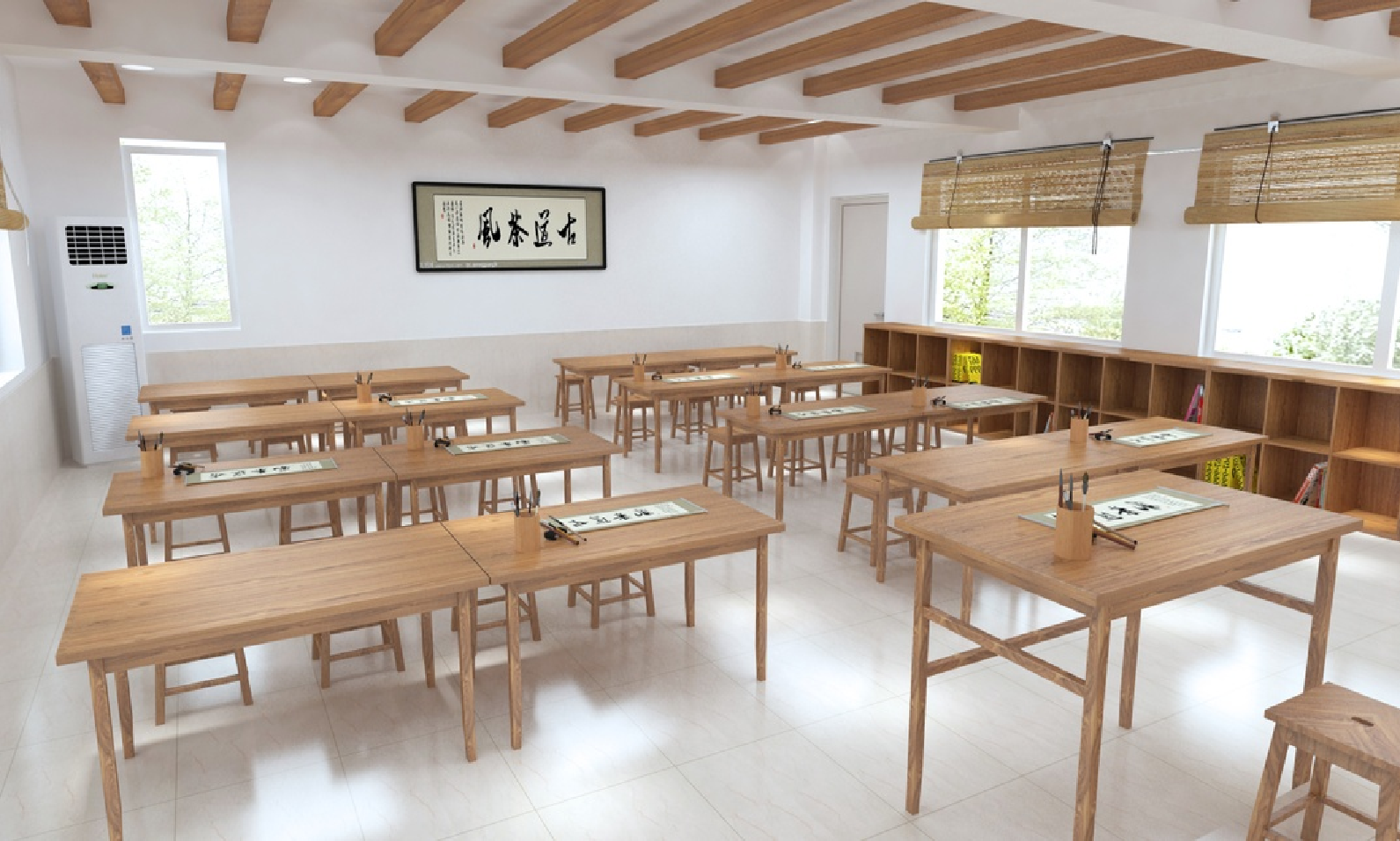
As a multifunctional educational venue, a school encompasses multiple functional areas, including classrooms, laboratories, libraries, offices, and rest areas. Different areas have different furniture needs. For example, classrooms require comfortable and ergonomic desks and chairs, laboratories require experimental tables with specific functions, and libraries require quiet and comfortable reading desks and chairs. Therefore, customized furniture can effectively meet the specific needs of different areas and improve teaching and management efficiency.
1.2 Diversified Student Needs
Student groups have diverse needs. Students of different ages and heights and body types have different requirements for the comfort and suitability of furniture. Through customized design, furniture manufacturers can provide furniture that meets the usage habits and growth needs of students of different ages, promoting students' healthy development.
1.3 School Brand Image
Customized furniture can also help schools create a unique brand image. Through unique design and color schemes, furniture can coordinate with the overall decoration style of the school, enhance the overall aesthetics and professional image of the school, and enhance the school's recognition among students and parents.
II. Necessity of Environmental Protection Requirements
2.1 Protecting Students' Health
The environmental protection of school furniture is directly related to the health of students. Children and adolescents are in an important stage of growth and development, and harmful substances (such as formaldehyde and benzene) that may be present in furniture materials can pose potential threats to their health. Therefore, choosing furniture manufacturers that meet environmental protection standards and ensuring the safety of furniture materials are basic requirements for protecting students' health.
2.2 Sustainable Development Concept
Environmentally friendly furniture not only focuses on the safety of materials, but also pays attention to environmental protection in the production process. Adopting environmentally friendly production processes, reducing waste emissions, and improving resource utilization are important responsibilities of modern furniture manufacturers. Schools choosing environmentally friendly furniture helps to practice the concept of sustainable development education and cultivate students' environmental awareness.
2.3 Regulations and Standards
Various countries and regions have corresponding regulations and standards for the environmental protection of school furniture. For example, China's "National Standard for Pollution Control in Indoor Decoration and Renovation" (GB/T 18883-2002) has clear regulations on the pollutant emissions of furniture materials. When purchasing furniture, schools must ensure that the products provided by the supplier meet relevant regulations and standards to avoid legal and health risks caused by non-compliant products.
III. Evaluating Whether Furniture Suppliers Can Meet Customized and Environmental Protection Requirements
3.1 Manufacturer Qualifications and Certifications
First, schools should review the manufacturer's qualifications and certifications. Manufacturers with ISO9001 quality management system certification, ISO14001 environmental management system certification, etc., usually have higher standards and regulations in terms of product quality and environmental management. In addition, obtaining relevant environmental protection certifications (such as E0, E1 level formaldehyde release amount certification) can also reflect the manufacturer's environmental protection capabilities.
3.2 Customization Capabilities and Case Demonstrations
The manufacturer's customization capabilities can be evaluated by reviewing its past customized cases and design schemes. Excellent manufacturers usually have professional design teams that can provide personalized design schemes according to the specific needs of the school. In addition, referring to the cooperation cases of other schools can more intuitively understand the manufacturer's customization capabilities and service level.
3.3 Materials and Processes
Understanding the manufacturer's material sources and production processes is an important part of evaluating its environmental protection performance. High-quality furniture manufacturers will use materials that meet environmental protection standards, such as solid wood, environmentally friendly panels, non-toxic paints, etc., and adopt environmentally friendly processes in the production process to reduce the emission of harmful substances. At the same time, manufacturers should have strict quality control processes to ensure that every product meets environmental protection and safety standards.
3.4 After-sales Service and Guarantee
A complete after-sales service system is also an important indicator for evaluating manufacturers. High-quality furniture manufacturers usually provide long-term warranty services and can respond to and solve quality or environmental problems in a timely manner. In addition, regular maintenance and inspection services can ensure that the furniture remains in good condition during use and extend its service life.
3.5 Customer Reviews and Market Reputation
By reviewing customer reviews and market reputation, you can understand the manufacturer's performance and credibility in actual cooperation. Positive customer feedback and a good market reputation are usually a true reflection of the manufacturer's capabilities and service level. Schools can communicate with other educational institutions to obtain real evaluations and suggestions on potential cooperative manufacturers.
IV. Successful Cases in Practice
4.1 Customized Services of a Well-known Furniture Company
A well-known furniture company has cooperated with many key primary and secondary schools to provide comprehensive customized furniture solutions. According to the architectural style and teaching needs of different schools, it designs ergonomic desks and chairs, multi-functional experimental tables, and comfortable library reading area furniture. These customized products not only improve the school's teaching environment, but also significantly improve students' learning experience and comfort.
4.2 Practical Application of Environmental Protection Certification
Another furniture company focuses on the research and development and production of environmentally friendly furniture, and all products have passed strict environmental protection certification. Its production process uses pollution-free processes, materials are sourced from sustainable resources, and recyclable materials are used in product packaging. These environmentally friendly furniture has been widely used in many schools and has been unanimously praised by teachers, students and parents, becoming an important force in promoting the green development of schools.
V. Conclusion
In the procurement of school furniture, customized and environmentally friendly requirements are indispensable important factors. By choosing furniture manufacturers with professional customization capabilities and strict environmental protection standards, schools can not only create a functional teaching environment that meets their own needs, but also ensure students' health and safety and practice the concept of sustainable development education. When evaluating and selecting furniture suppliers, schools should comprehensively consider the manufacturer's qualifications and certifications, customization capabilities, materials and processes, after-sales service, and customer reviews to ensure that the final chosen partner can truly meet the school's high standards.
Through scientific and comprehensive evaluation, schools can choose high-quality furniture suppliers, create a safe, comfortable, and environmentally friendly educational environment, and contribute to the long-term development of the school and the improvement of education quality.
Online Message
*We will contact you as soon as possible after receiving your message!
Friendly Links: