


Which design elements are most popular in hotel furniture customization?
Publish Time:
2024-12-26
In the highly competitive hotel industry, furniture is more than just functional; it's a crucial element in enhancing guest experience and reflecting the hotel's brand image. With the increasing demand for personalization and differentiation in the hotel industry, customized furniture has become a key strategy for hotels to enhance their competitiveness. So, what design elements are most popular in hotel furniture customization? This article will explore this in detail from several aspects, including functionality, comfort, aesthetics, brand consistency, and sustainability.
Introduction
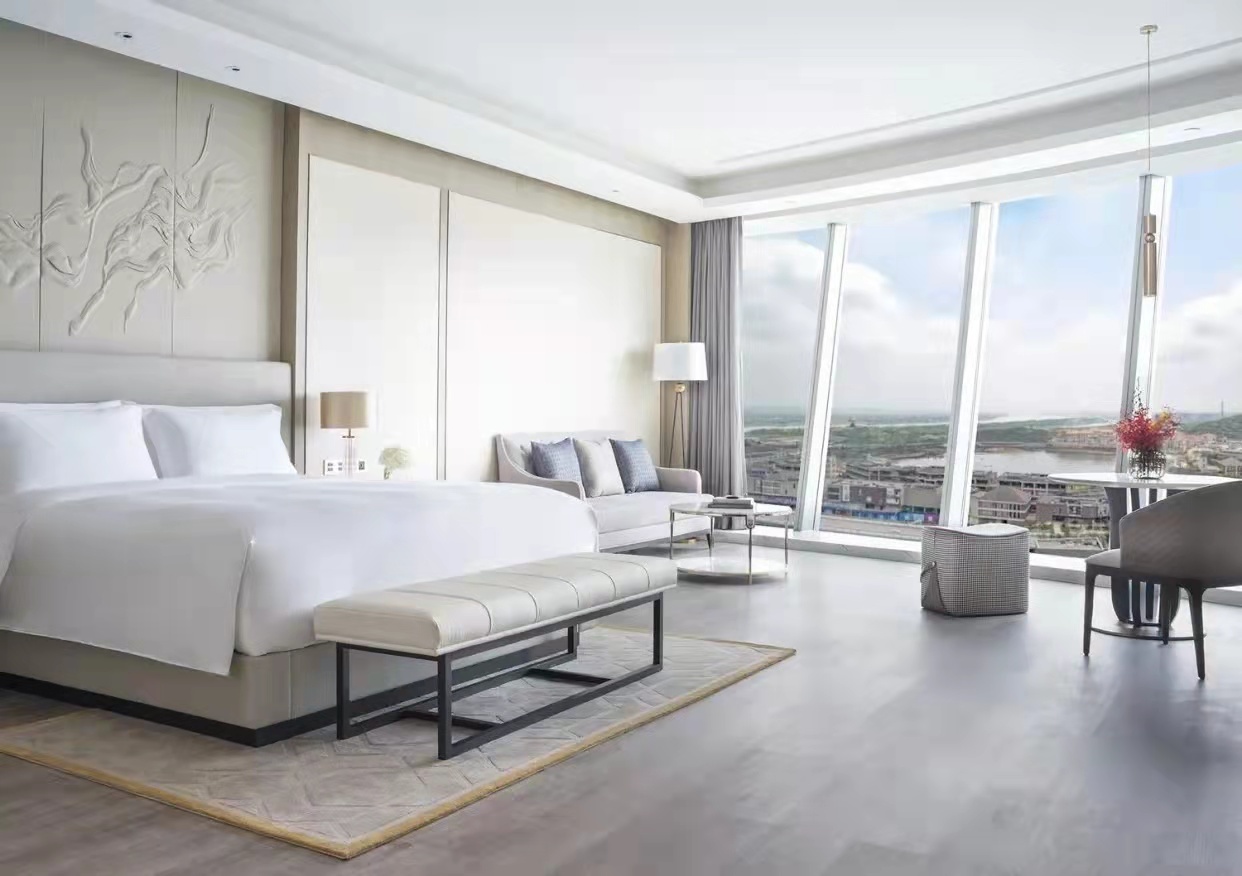
Hotel furniture design must not only meet the functional needs of daily use but also enhance the overall aesthetics of the space and the guest experience through unique design. Customized furniture can be tailored to the specific needs and style of the hotel, helping the hotel achieve optimal space utilization and effective brand image communication. Understanding the most popular design elements in current hotel furniture customization is of great importance to hotel owners and designers.
Functional Design
1. Multi-functionality
In hotel furniture customization, multi-functional design is particularly important. Modern hotel spaces are limited, and furniture needs to have multiple functions to improve space utilization. For example, a bedside table can be designed as functional furniture with hidden storage space or charging ports; a sofa can combine storage and rocking chair functions to meet the needs of different situations.
2. Modular Design
Modular furniture allows for flexible combination and adjustment according to different room types and space needs, greatly improving the flexibility and adaptability of the design. Modular design is not only convenient for daily maintenance and replacement but can also be quickly adjusted according to the season or holidays to meet the diverse needs of hotel operations.
Comfort Design
1. Ergonomics
Guest comfort directly affects their stay experience. Ergonomic design ensures the comfort of the furniture during use. For example, a chair back design that conforms to the human body curve, appropriate seat height, and backrest angle can all enhance the guest's seating experience.
2. High-Quality Materials
Comfort is not only reflected in the design, but the choice of materials is also crucial. Using high-quality padding, breathable fabrics, and durable frame materials not only enhances the comfort of the furniture but also extends its lifespan, reducing the hotel's maintenance costs.
Aesthetic Design
1. Visual Aesthetics
The appearance design of hotel furniture directly affects the overall aesthetics and atmosphere of the space. Simple, modern, classic, or luxurious design styles should be consistent with the overall decoration style of the hotel. Through the clever combination of color, material, and shape, a unique visual effect is created, enhancing the guest's visual enjoyment.
2. Detailing
Details determine quality. Exquisite workmanship, ingenious decorative elements, and unique design details can significantly enhance the grade and aesthetics of the furniture. For example, fine stitching, unique handle designs, and personalized decorative patterns can all reflect the high quality and uniqueness of the furniture.
Brand Consistency Design
1. Brand Identity
Furniture design needs to incorporate the hotel's brand identity and core values, making it part of brand communication. By incorporating the brand's logo, colors, or specific design elements into the furniture, brand recognition and influence are enhanced.
2. Consistent Design Language
The design language of hotel furniture should be consistent with the overall design style of the hotel. From the front desk to the guest rooms, from public areas to dining spaces, the uniformity of furniture style enhances the overall coordination and professionalism of the space, strengthening guests' brand recognition.
Sustainable Design
1. Eco-Friendly Materials
With increasing environmental awareness, using sustainable materials has become an important trend in hotel furniture customization. Choosing environmentally friendly, renewable, or recyclable materials not only conforms to the concept of green development but also enhances the hotel's social responsibility image, attracting environmentally conscious guests.
2. Sustainable Design
Sustainable design focuses not only on the materials themselves but also on the lifespan and maintainability of the furniture. Designing durable, easy-to-maintain, and clean furniture can reduce replacement frequency, reduce resource waste, and achieve sustainable development goals.
Innovative Technological Elements
1. Smart Furniture
With the development of technology, smart furniture is gradually emerging in hotel furniture customization. Furniture integrated with wireless charging, smart lighting control, USB interfaces, and sound systems can enhance the guest's technological experience and meet the needs of modern guests for intelligent living.
2. Interactive Design
Interactive furniture design enhances the guest's interactive experience by incorporating elements such as touch screens, interactive lighting, and sensing devices. For example, a coffee table with a touch screen can provide information retrieval and entertainment functions, and interactive lighting can adjust the room atmosphere according to the guest's needs.
Case Study: Successful Hotel Furniture Customization Practices
1. Customized Bedding Design of a Luxury Hotel
A luxury hotel, through customized bedding design, combined ergonomics and high-quality materials to create extremely comfortable bedding. At the same time, the headboard design incorporates brand logos and modern art elements, enhancing the overall beauty and brand recognition of the room, and receiving unanimous praise from guests.
2. Modular Public Area Furniture of a Boutique Hotel
A boutique hotel uses modular furniture design to flexibly combine the space layout of the dining area, rest area, and meeting area. Through the use of multi-functional furniture, it achieves efficient space utilization and multi-scene switching, meeting the needs of different activities, and improving the hotel's operational efficiency and guest satisfaction.
Conclusion
In hotel furniture customization, functionality, comfort, aesthetics, brand consistency, sustainability, and innovative technological elements are the most popular design elements. By comprehensively considering these design elements, hotels can not only enhance the practicality and aesthetics of the space but also strengthen their brand image and guest experience. In the future, with the ever-changing needs of guests and the continuous advancement of technology, hotel furniture customization will continue to develop in a more personalized, intelligent, and sustainable direction. Hotel owners and designers should keep up with market trends and flexibly utilize these design elements to create unique and excellent hotel spaces, enhance competitiveness, and achieve sustainable development.
Online Message
*We will contact you as soon as possible after receiving your message!
Friendly Links: