



How to balance safety and fun when customizing kindergarten furniture?
Publish Time:
2024-12-26
In a kindergarten environment, furniture is not only the basic infrastructure for children's daily learning and activities, but also subtly influences their growth and development. Therefore, the customized design of kindergarten furniture is particularly important. It must ensure safety while also considering fun to create a learning environment that is both safe and enjoyable. This article will explore how to effectively balance safety and fun in the process of kindergarten furniture customization, aiming to provide valuable reference for educators and parents.
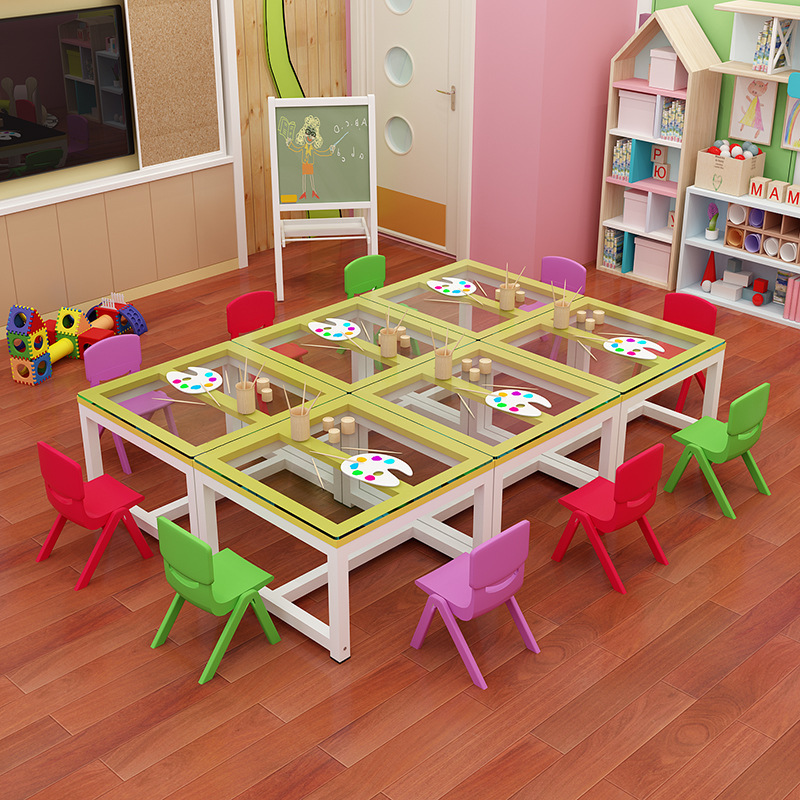
I. Understanding the Core Needs of Safety and Fun
1. The Importance of Safety
Kindergarten children are at a critical stage of physical and cognitive development. The safety of furniture is directly related to their health and safety. The core of safety includes:
Material safety: Use non-toxic and environmentally friendly materials to ensure that the furniture does not contain harmful chemicals such as formaldehyde and benzene.
Design safety: The edges and corners of the furniture should be rounded to avoid accidental injuries caused by sharp parts.
Structural stability: The furniture structure must be stable to prevent tipping or loosening, ensuring stability during children's active activities.
2. The Necessity of Fun
Fun designs can stimulate children's learning interest and promote the development of their creativity and social skills. The core of fun includes:
Bright colors: Use bright and rich colors to attract children's attention and create a pleasant learning atmosphere.
Diverse shapes: Use imaginative shapes such as cartoons and animals to increase the fun and approachability of the furniture.
Interactive functions: Design interactive elements, such as rotating tables and adjustable-height chairs, to enhance children's sense of participation.
II. Strategies for Balancing Safety and Fun During Customization
1. Material Selection and Processing
Choosing environmentally friendly and non-toxic materials is the basis for ensuring furniture safety. At the same time, the material processing process must also be strictly controlled. For example, the surface coating should be non-slip, scratch-resistant, and durable.
Specific measures:
Use E0 grade or higher standard environmentally friendly panels to reduce the release of harmful gases.
Choose plastic and metal parts that have passed safety certification to ensure they are non-toxic and harmless.
Apply multi-layer protective coatings to wooden furniture to enhance durability and safety.
2. Design and Structural Optimization
In the design process, organically combine safety and fun, achieving a balance between the two by optimizing the structure and shape.
Specific measures:
Modular design: Use modular furniture for flexible combination, meeting functional needs while incorporating fun elements.
Functional integration: For example, incorporate animal or cartoon elements into the design of desks and chairs, maintaining a stable structure while adding fun.
Easy to clean: Choose easy-to-clean materials and designs to ensure hygiene and safety, while maintaining the appearance and brightness of the colors.
3. Application of Ergonomics and Child Psychology
Combining ergonomics and child psychology principles, design furniture that meets children's physical development and psychological needs, improving the user experience while ensuring safety.
Specific measures:
Size adaptation: Furniture dimensions should be suitable for children's height to ensure correct posture and avoid physical problems caused by discomfort.
Strong support: Chair and table designs should provide good support to promote correct posture.
Psychological motivation: Stimulate children's curiosity and learning interest through color and pattern design, such as using warm tones and interesting patterns.
4. Multi-functional and Sustainable Design
Design multifunctional furniture to save space and increase the fun of use. At the same time, pay attention to the sustainability of furniture to promote environmental education.
Specific measures:
Adjustable design: For example, adjustable-height desks and chairs to meet the needs of children of different ages.
Hidden storage: Design hidden storage space to cultivate children's organizational skills while keeping the classroom tidy.
Sustainable materials: Use renewable materials such as bamboo and recycled wood to convey environmental protection concepts.
III. Case Analysis: Successful Kindergarten Furniture Designs that Balance Safety and Fun
1. Rainbow-themed Interactive Desks and Chairs
A kindergarten uses rainbow-themed interactive desks and chairs. The desktop uses a safe anti-collision edge design, and the chair shape is like a rainbow arc. It is not only brightly colored but also uses ergonomic design to provide good support. The furniture is made of environmentally friendly materials to ensure safety and non-toxicity, while the interactive design stimulates children's creativity and teamwork spirit.
2. Forest Adventure Storage Cabinets
Another kindergarten designed forest adventure-themed storage cabinets. The cabinets use imitation wood materials with animal-shaped handles, meeting environmental protection requirements while being fun. The storage cabinets have a stable structure and reasonable design, effectively classifying children's items, cultivating their organizational habits, and avoiding clutter and safety hazards.
IV. Summary
In the process of kindergarten furniture customization, safety and fun are not opposing ends but can be organically integrated through scientific design and careful selection. By choosing environmentally friendly materials, optimizing design structures, applying ergonomics and child psychology principles, and focusing on multi-functional and sustainable design, companies and educational institutions can create a furniture environment that is both safe and fun, providing a solid foundation for children's healthy growth and comprehensive development.
In practice, collaboration and communication are also key. Designers need to work closely with educational experts, kindergarten administrators, and parents to fully understand the actual needs and usage scenarios, ensuring that the furniture design is not only aesthetically pleasing and practical, but also truly serves the children's daily lives and learning. This comprehensive design concept will create a safe, comfortable, and creative educational space for kindergartens, helping children grow happily in a pleasant environment.
Online Message
*We will contact you as soon as possible after receiving your message!
Friendly Links: