


What design elements should companies prioritize when customizing conference tables and chairs?
Publish Time:
2024-12-26
In modern enterprises, meeting rooms are not only important places for team communication and decision-making, but also important spaces for showcasing the company's image and culture. To create an efficient, comfortable, and company-characteristic meeting environment, customized conference tables and chairs have become the preferred choice for many companies. However, customizing conference tables and chairs is not just about choosing a few beautiful pieces of furniture; it also requires consideration of many design elements. This article will delve into the key design elements that companies should focus on when customizing conference tables and chairs, helping companies create their ideal meeting space.
I. Functional Design
1. Capacity and Space Planning
Before customizing conference tables and chairs, it is first necessary to clarify the needs of the meeting room, including the number of people it can accommodate and the type of meeting. Meetings of different scales require conference tables and chairs of different sizes and layouts. For example, large meeting rooms may require rectangular or oval conference tables to accommodate more participants; while small meeting rooms can choose round or square tables to improve the interactivity of communication.
2. Equipment Integration
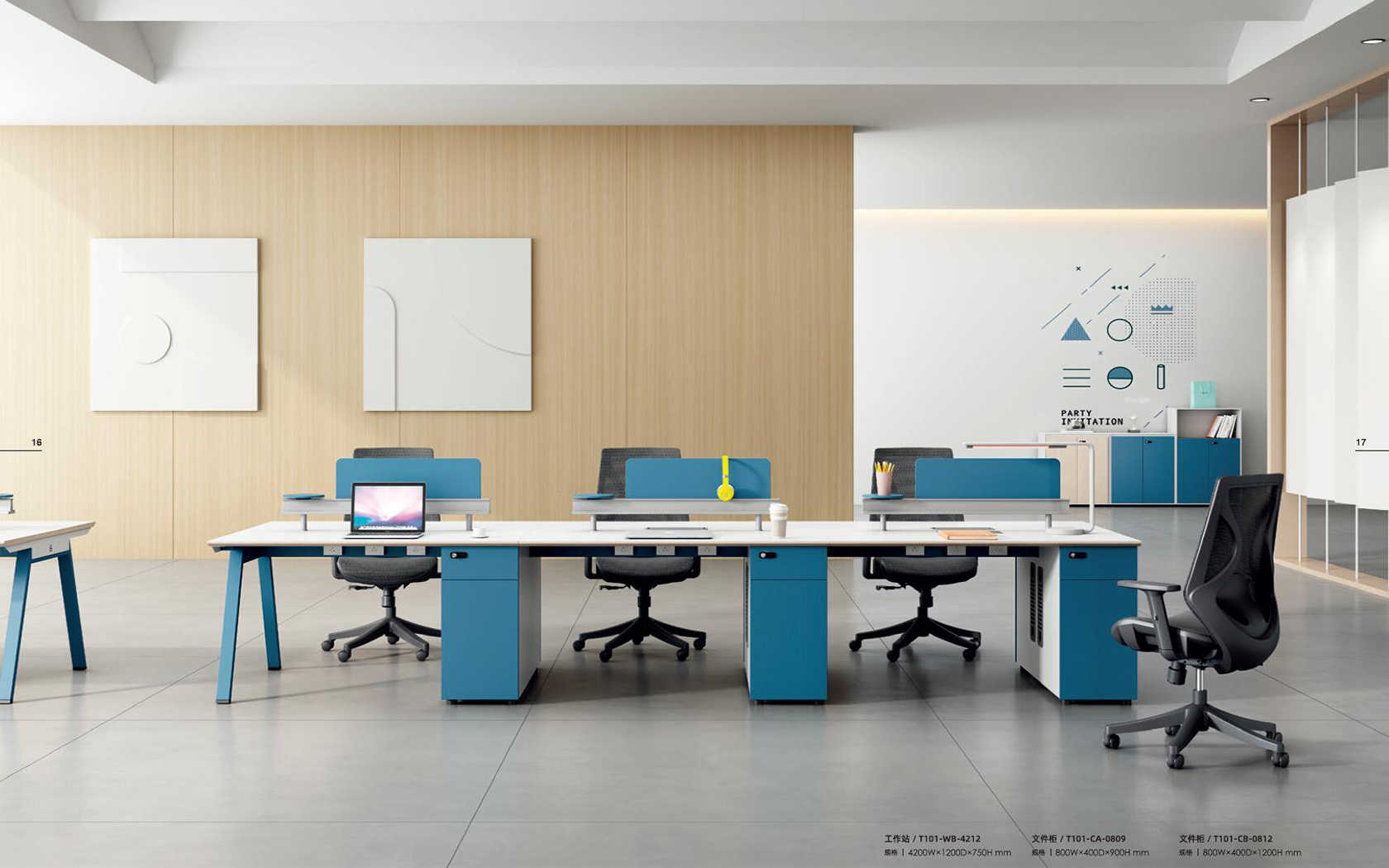
Modern meeting rooms often need to be equipped with a variety of audio-visual equipment, such as projectors, displays, and sound systems. When customizing conference tables and chairs, the integration and layout of the equipment should be considered. For example, power outlets and data interfaces can be reserved on the table to facilitate the connection and use of equipment; the position of the chairs should ensure that participants can clearly see the screen and hear the sound system.
II. Ergonomic Design
1. Comfort
The comfort of the meeting room directly affects the efficiency of the meeting and the concentration of the participants. When customizing meeting chairs, attention should be paid to ergonomic design to ensure that the seat height, backrest angle, and armrest design of the chair conform to ergonomic principles. Comfortable chairs can reduce participant fatigue and improve the duration and effectiveness of the meeting.
2. Adjustability
In order to meet the needs of different participants, meeting chairs should have a certain degree of adjustability. For example, height-adjustable chairs, reclining backrests, and rotatable designs can meet the needs of users of different heights and body types, improving the overall user experience.
III. Material and Durability
1. Material Selection
The material of conference tables and chairs not only affects their appearance but also their durability and maintenance costs. Common materials include wood, metal, glass, and plastic. Wooden furniture has a warm and noble texture, suitable for creating a professional and comfortable meeting atmosphere; metal materials are more modern and durable, suitable for technology-oriented and modern enterprises; glass materials can enhance the transparency and visual effect of the space.
2. Durability and Maintenance
Conference tables and chairs should have good durability and be able to withstand frequent use and movement. Choosing high-quality materials and a robust structural design can extend the lifespan of the furniture. At the same time, easy-to-clean and maintain materials are also important considerations to ensure that the meeting room always maintains a clean and professional image.
IV. Space Layout and Flexibility
1. Adaptability to Meeting Room Size
Meeting rooms of different sizes require conference tables and chairs of different sizes and layouts. Companies should choose the appropriate size of conference tables and chairs according to the actual area and shape of the meeting room to ensure the reasonable use of space and smooth traffic flow. For example, in small meeting rooms, more compact table and chair designs can be chosen to avoid obstructing the flow of people.
2. Mobility and Modular Design
The meeting needs of modern enterprises are increasingly diversified, and flexible meeting space design can meet the needs of different types of meetings. Modularly designed conference tables and chairs can be freely combined and adjusted as needed to adapt to meetings of different scales and forms. At the same time, movable seats and lightweight table designs facilitate the quick arrangement and adjustment of the meeting room.
V. Aesthetics and Corporate Image
1. Unified Style
The design style of conference tables and chairs should be consistent with the overall office environment and brand image of the company. Whether it is modern simplicity, classic elegance, or a strong sense of technology, a unified design style can enhance the overall aesthetics of the meeting room and enhance the company's professional image.
2. Color Matching and Visual Effects
Color plays an important role in space design. The color of conference tables and chairs should be coordinated with the overall tone of the meeting room, both visually pleasing and avoiding being too flashy. Reasonable color matching can create a positive, professional, and comfortable meeting atmosphere, improving participants' mood and efficiency.
VI. Technology Integration
1. Power and Data Interfaces
With the development of technology, conference tables and chairs need to integrate more technological functions. When customizing conference tables and chairs, sufficient power outlets and data interfaces should be reserved to facilitate the charging and connection of laptops, mobile phones, and other devices. At the same time, hidden cable management design can maintain the cleanliness and beauty of the conference table.
2. Intelligent Functions
Intelligent conference tables and chairs are a future development trend. For example, built-in wireless charging functions, Bluetooth sound systems, and intelligent adjustment functions can enhance the technological sense and convenience of meetings. Companies can choose suitable intelligent functions according to their needs to improve the modernization level of the meeting room.
VII. Safety Design
1. Stability
The stability of conference tables and chairs is directly related to the safety of users and the durability of the furniture. When customizing, a stable structural design and high-quality connecting pieces should be chosen to ensure the safety and stability of the furniture during use.
2. No Sharp Edges
To avoid accidental injuries, the edges and corners of conference tables and chairs should be rounded to avoid sharp edges. Safety design is particularly important in meeting rooms where many people use them frequently.
VIII. Environmental Protection and Sustainable Design
1. Environmentally Friendly Materials
Modern enterprises increasingly prioritize environmental protection and sustainable development. When customizing conference tables and chairs, choosing environmentally friendly materials not only helps reduce the negative impact on the environment but also enhances the company's image of social responsibility. Prioritizing materials that meet environmental standards, such as FSC-certified wood and recycled materials, reflects the company's commitment to environmental responsibility.
2. Sustainable Design
Sustainable design emphasizes the durability and recyclability of furniture. By choosing designs that are easy to maintain and upgrade, the lifespan of the furniture is extended, reducing waste. Modular and detachable designs also facilitate the recycling and reuse of furniture, achieving sustainable development goals.
Nine. Budget and Cost-Effectiveness
1. Budget Control
Customizing conference tables and chairs involves multiple stages, including design, materials, production, transportation, and installation. Companies should develop a reasonable budget based on their actual financial situation. Scientific budget control not only ensures the smooth progress of the project but also avoids financial pressure from overspending.
2. Cost-Effectiveness Analysis
While ensuring quality and functionality, companies should choose the most cost-effective conference table and chair options. Through price comparisons and comprehensive assessments, selecting furniture that meets needs and fits the budget enhances the overall effect of the meeting room without exceeding the financial budget.
Ten. Supplier Selection and Service
1. Supplier Qualifications and Experience
Choosing furniture suppliers with relevant certifications and extensive experience is crucial for ensuring the quality of custom furniture. Companies should examine the supplier's certifications, successful cases, and customer reviews to ensure they have professional design and production capabilities.
2. After-Sales Service
Good after-sales service ensures maintenance and repair during the furniture's use. Companies should choose suppliers that provide comprehensive after-sales service, including installation, debugging, maintenance, and product replacement, to ensure the furniture's long-term smooth operation.
Conclusion
When customizing conference tables and chairs, companies need to comprehensively consider several key factors: functional design, ergonomics, material and durability, space layout and flexibility, aesthetics and corporate image, technology integration, safety, environmental protection and sustainable design, budget and cost-effectiveness, and supplier selection and service. Through comprehensive and detailed consideration, companies can develop a customized conference table and chair solution that best suits their needs, creating a comfortable, efficient, and distinctive meeting space that further enhances the quality of meetings and the company's overall competitiveness.
Online Message
*We will contact you as soon as possible after receiving your message!
Friendly Links: