


What key factors should companies focus on when customizing office furniture for their entire office area?
Publish Time:
2024-12-24
In modern enterprises, the comfort and functionality of the office environment directly affect employee work efficiency and satisfaction. Therefore, overall furniture customization has become the preferred choice for many companies to optimize their office layout. However, furniture customization is not just about choosing a few aesthetically pleasing pieces of furniture; it involves a comprehensive consideration of several key factors. This article will delve into the key factors that companies should focus on in the overall customization of office furniture to ensure a smooth process and achieve the desired results.
I. Clarify Office Needs and Space Layout
1. Functional Needs Analysis
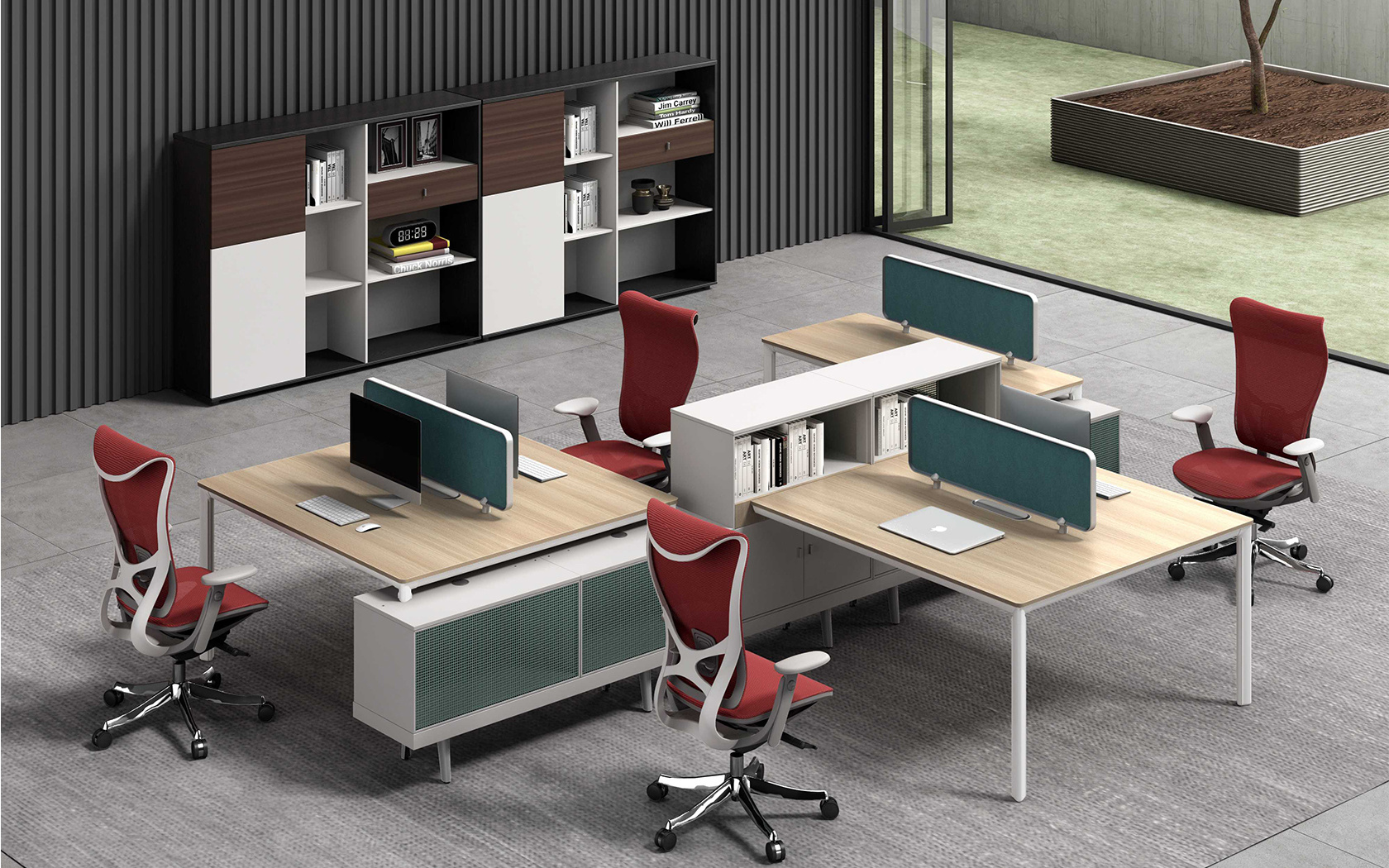
Before undertaking overall furniture customization, companies first need to clarify the functional needs of the office area. For example, are open-plan offices, private meeting rooms, rest areas, storage space, etc., needed? Different functional areas have different requirements for furniture types, sizes, and layouts. Through detailed needs analysis, designers can develop furniture solutions that are more suitable for practical use.
2. Space Layout Optimization
Reasonable space layout not only improves the utilization rate of the office area but also creates a good working atmosphere. Companies should reasonably plan the placement of furniture based on the actual area, shape, and natural lighting of the office area to ensure smooth traffic flow while avoiding congestion and resource waste. Customized furniture can be tailored to the specific circumstances of the space to maximize space utilization.
II. Choose Suitable Materials and Craftsmanship
1. Material Selection
The materials of office furniture directly affect its service life, comfort, and aesthetics. Companies should choose suitable materials based on their actual needs, such as wood, metal, glass, and plastic. High-quality materials are not only durable but also enhance the overall texture of the office environment. In addition, the selection of environmentally friendly materials is also a focus of modern enterprises, helping to create a green office environment and aligning with the concept of sustainable development.
2. Craftsmanship
High-level craftsmanship ensures the stability and aesthetics of the furniture. Companies should choose suppliers with advanced production processes to ensure that the furniture is processed to a high standard in terms of detail. For example, joining techniques and surface treatment techniques directly affect the durability and visual effect of the furniture. Exquisite craftsmanship not only improves the quality of the furniture but also enhances its overall value.
III. Ergonomic Design
1. Comfort
Ergonomic design is the key to improving the comfort of office furniture. Ergonomically designed furniture can effectively reduce fatigue caused by prolonged work and prevent the occurrence of occupational diseases. The height of the chair, the angle of the backrest, and the height of the desk should all be designed according to ergonomic principles to ensure that employees maintain a good posture and comfort while working.
2. Adjustability
In the office environment, individual differences are significant, and adjustable furniture can better meet the needs of different employees. For example, height-adjustable office chairs and flexible desks not only improve the user experience but also increase the applicability and service life of the furniture.
IV. Focus on Aesthetics and Brand Image
1. Unified Style
The overall style of office furniture should coordinate with the company's brand image and office environment. Whether it is modern simplicity, industrial style, or traditional style, a unified design language can enhance the overall aesthetics of the office space and strengthen the company's brand recognition. When customizing furniture, companies should consider the consistency of color, material, and design style.
2. Personalized Design
On the basis of ensuring a unified style, appropriate personalized design can highlight the company's uniqueness. For example, furniture designs incorporating the company's logo or characteristic elements can enhance employees' sense of belonging and identification. At the same time, personalized design can also showcase the company's innovative spirit and brand value.
V. Examine the Supplier's Comprehensive Strength
1. Supplier Qualifications and Experience
Choosing a supplier with relevant qualifications and extensive experience is an important guarantee for ensuring the quality of furniture customization. Companies should examine the supplier's qualifications, such as ISO quality management system certification and environmental protection certification. At the same time, the supplier's successful cases and customer evaluations in office furniture customization are also important criteria for evaluating its strength.
2. Design and R&D Capabilities
Excellent suppliers usually have professional design teams and strong R&D capabilities, able to provide innovative and practical design solutions based on the company's specific needs. The professional level and creativity of the design team directly affect the final visual effect and user experience of the furniture.
3. Production and Delivery Capabilities
Companies should ensure that suppliers have stable production capacity and a reasonable delivery cycle, able to complete orders on time to avoid delays affecting office plans. At the same time, whether the supplier's production equipment is advanced also directly affects the manufacturing precision and quality of the furniture.
VI. Focus on After-Sales Service and Maintenance
1. Comprehensive After-Sales Service System
Good after-sales service is an important consideration when choosing a supplier. Services include furniture installation and debugging, maintenance, product replacement, etc., providing timely support during furniture use to ensure its long-term smooth operation.
2. Clear Warranty Policy
Suppliers should provide a clear warranty policy to guarantee the quality of the furniture within a certain period. Understanding the warranty scope and process helps to quickly resolve problems when they arise, reducing inconvenience during use.
VII. Reasonable Budget and Cost-Effectiveness
1. Budget Control
When undertaking overall furniture customization, companies should develop a reasonable budget based on their actual financial situation. The budget includes not only the purchase cost of the furniture but also design fees, transportation fees, installation fees, and other expenses. Through scientific budget control, ensure that the project proceeds smoothly within the financially acceptable range.
2. Cost-Effectiveness Analysis
Companies should choose the most cost-effective furniture solution while ensuring quality and service. Through multiple comparisons and comprehensive evaluations, choose furniture products that meet needs and are within budget, improving the office environment without exceeding the financial budget.
VIII. Environmental Protection and Sustainable Development
1. Use of Environmentally Friendly Materials
Modern enterprises increasingly prioritize environmental protection and sustainable development. In the process of custom furniture manufacturing, choosing environmentally friendly materials can reduce the negative impact on the environment while creating a healthy work environment for employees. Furniture products that meet environmental standards not only help companies fulfill their social responsibilities but also enhance their corporate image.
2. Sustainable Design
Sustainable design emphasizes the durability and recyclability of furniture. When customizing furniture, companies should consider the furniture's lifecycle design, choosing designs that are easy to maintain and upgrade, extending the furniture's lifespan, reducing resource waste, and achieving sustainable development goals.
Nine, Technical Support and Intelligence
1. Application of Smart Furniture
With the development of technology, smart furniture is gradually becoming a new trend in office furniture customization. Smart desks, smart conference tables, and smart storage cabinets can provide a more convenient and efficient user experience. Companies should consider incorporating intelligent elements into their overall furniture based on their actual needs to improve office efficiency and employee satisfaction.
2. Technical Support and Training
When introducing smart furniture, suppliers should provide corresponding technical support and training to ensure that employees can proficiently operate and maintain the smart furniture, fully utilizing its functional advantages.
Conclusion
Overall office furniture customization for company office areas is a systematic project involving many factors, including needs analysis, material selection, design aesthetics, and supplier evaluation. During the customization process, companies need to focus on key factors such as office needs and spatial layout, materials and craftsmanship, ergonomic design, aesthetics and brand image, supplier strength, after-sales service, budget and cost-effectiveness, environmental protection and sustainable development, and technical support. Through comprehensive and detailed consideration, companies can develop furniture customization solutions that best suit their needs, creating a comfortable, efficient, and brand-oriented office environment to further enhance employee work enthusiasm and the overall competitiveness of the enterprise.
Online Message
*We will contact you as soon as possible after receiving your message!
Friendly Links: