



What special needs should be considered in the design of nursing home furniture to ensure safety and comfort?
Publish Time:
2024-12-20
In today's society, with the increasing trend of an aging population, nursing homes, as important places providing professional elderly care services, have seen increasing attention paid to their environment and facility design. Furniture, as a core component of the nursing home environment, not only affects the quality of daily life for the elderly but is also directly related to their safety and comfort. Therefore, the design of nursing home furniture must fully consider the special needs of the elderly to ensure they live in a safe, comfortable, and warm environment. This article will delve into the various special needs that should be considered in the design of nursing home furniture, aiming to provide a reference for designers and managers to improve the overall service level of nursing homes.
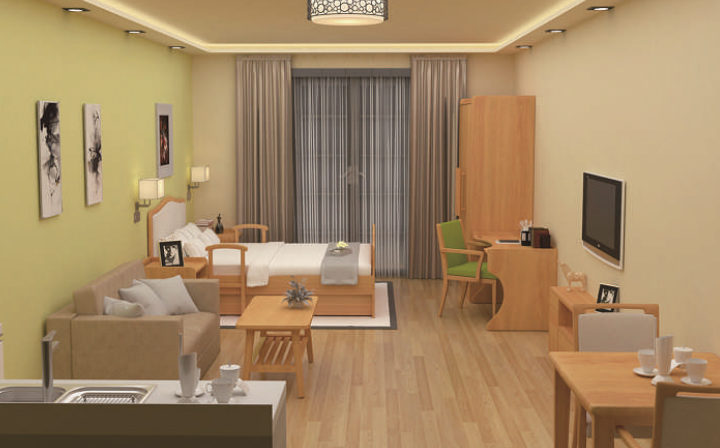
I. Safety Design: Ensuring Worry-Free Living for the Elderly
1. Stability and Firmness
The elderly move relatively slowly and are prone to losing their balance; therefore, furniture must have a high degree of stability. For example, chairs and beds should use sturdy structures to prevent tipping; and the weight of the furniture should be moderate, making it easy for the elderly to move or adjust their position.
2. No Sharp Corners
The edges and corners of furniture should be rounded to avoid sharp edges and corners causing harm to the elderly during movement. This is especially crucial in areas where the elderly move frequently, such as dining rooms and lounges.
3. Non-Slip Materials
Using non-slip materials on the floor and furniture surfaces can effectively reduce accidental injuries caused by slips and falls. For example, the feet of chairs and floor mats should use non-slip designs to ensure that the elderly are more stable when getting up or sitting down.
II. Comfort Design: Enhancing the Quality of Life for the Elderly
1. Ergonomic Design
Ergonomic furniture can better support the elderly's bodies, reducing discomfort from prolonged sitting or lying down. For example, the backrest and seat cushion of a chair should have good support to help maintain correct posture and reduce spinal pressure.
2. Adjustable Functions
The elderly have different body shapes and health conditions; furniture should have a certain degree of adjustability to meet the needs of different users. Adjustable-height tables and chairs, multi-functional adjustable beds, etc., can provide personalized comfort for the elderly.
3. Breathable and Soft Materials
Using breathable and soft materials, such as high-quality fabrics or memory foam, can improve the comfort of seats and beds, suitable for prolonged use, and avoid skin irritation and discomfort.
III. Auxiliary Function Design: Supporting the Elderly's Independent Living
1. Furniture with Armrests
Chairs, beds, and bathroom furniture should have sturdy armrests to help the elderly sit down, get up, or move, enhancing their independence and sense of security.
2. Easy Access Design
The height and structure of the furniture should facilitate easy access for the elderly. For example, the seat surface of a chair should be at a moderate height, neither too high nor too low, making it easy for the elderly to sit down and stand up.
IV. Easy Cleaning and Maintenance: Maintaining a Clean and Hygienic Environment
1. Durable and Easy-to-Clean Materials
Nursing home furniture should use wear-resistant, stain-resistant, and easy-to-clean materials, such as wood or metal with waterproof coatings. This not only extends the lifespan of the furniture but also facilitates daily maintenance and ensures environmental hygiene.
2. Simple Design
Avoid overly complex shapes and decorations. A simple design is not only aesthetically pleasing but also easy to clean and maintain, reducing blind spots and hidden areas where dust can accumulate during cleaning.
V. Storage Space and Multi-Functionality: Improving Space Utilization Efficiency
1. Integrated Storage Design
Provide ample storage space for the elderly, such as beds and chairs with drawers or cabinets, making it easy for them to store personal belongings and keep their living space tidy and organized.
2. Multi-functional Furniture
Multi-functional designs, such as convertible sofa beds or coffee tables with storage functions, can effectively utilize limited space and meet the diverse needs of the elderly.
VI. Barrier-Free Design: Ensuring Convenient Passage
1. Wide Passages
Furniture should be arranged reasonably, keeping passages clear, avoiding congestion and obstacles, and allowing the elderly to move freely with walking aids or wheelchairs.
2. Moderate Height
The height of the furniture should conform to ergonomics, making it easy for the elderly to use. For example, the height of tables and chairs should be moderate to ensure that the elderly can comfortably eat or read.
VII. Color and Visual Design: Enhancing Psychological Comfort
1. High-Contrast Colors
Using high-contrast color design helps the elderly with declining eyesight to better identify furniture and the environment, reducing the risk of getting lost or colliding.
2. Warm and Soft Tones
Using warm and soft colors, such as light blue and green, can create a comfortable and pleasant environment, helping to improve the elderly's mental health and well-being.
VIII. Personalized and Dignified Design: Respecting the Unique Needs of the Elderly
1. Personalized Choices
Provide a variety of furniture styles and color choices, allowing the elderly to choose according to their preferences and needs, enhancing their autonomy and sense of dignity.
2. Maintaining Private Space
The design should consider the privacy needs of the elderly, providing appropriate private storage space and partitions to ensure that they can have an independent activity area when needed.
Conclusion
In nursing home furniture design, fully considering the special needs of the elderly is key to improving their quality of life. By comprehensively considering safety, comfort, assistive functions, ease of maintenance, storage and multi-functionality, barrier-free design, color and visual design, and personalized and dignified design, designers can create a safe and comfortable living environment that meets the multiple needs of the elderly's physical and mental health. In the future, with the continuous development of technology and design concepts, nursing home furniture will move towards more intelligent, humane, and environmentally friendly directions, creating a better life for the elderly.
Online Message
*We will contact you as soon as possible after receiving your message!
Friendly Links: