



What key factors should be considered when selecting furniture for healthcare facilities to ensure safety and functionality?
Publish Time:
2024-12-20
In today's healthcare environment, furniture is more than just a decorative element; it's a crucial component in ensuring patient and staff safety and improving medical efficiency. Selecting appropriate medical furniture requires considering various factors to ensure safety and functionality in practical use. This article delves into the key factors to consider when choosing furniture for healthcare facilities, aiming to provide guidance for healthcare managers, procurement personnel, and designers to enhance the overall quality of the healthcare environment.
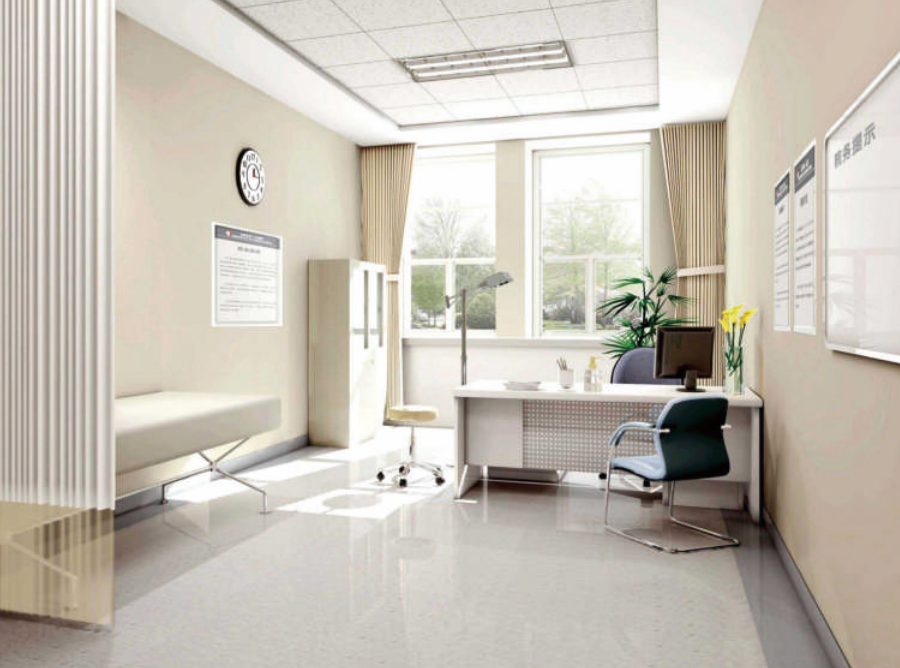
I. Safety Design: Protecting Patients and Healthcare Personnel
1. Stability and Durability
Medical furniture must possess high stability to prevent tipping or damage due to movement or improper operation. For example, beds and examination chairs should use sturdy materials and stable structural designs to ensure they don't wobble or collapse during frequent adjustments and movements.
2. Material Safety
Using non-toxic, environmentally friendly, and durable materials is crucial. Furniture surfaces should be smooth without sharp corners to avoid scratching patients or staff. Furthermore, materials should be antibacterial and mildew-resistant to effectively inhibit bacterial growth and maintain a hygienic environment.
3. Anti-Slip Design
In healthcare settings, floors and furniture surfaces can easily become slippery due to liquid spills or cleaning agents. Choosing materials and designs with anti-slip properties, such as anti-slip mats and rubber foot pads, can effectively reduce the risk of slips and falls, ensuring personnel safety.
II. Functional Design: Enhancing Medical Efficiency and Comfort
1. Ergonomics
Ergonomic furniture design reduces staff workload and prevents occupational injuries. For example, ergonomically designed chairs and workstations provide good support, reducing fatigue from prolonged work.
2. Easy Cleaning and Maintenance
Healthcare facilities have extremely high hygiene requirements. Furniture should use easy-to-clean materials such as stainless steel, plastic, or specially treated wood. The furniture design should be simple, avoiding complex gaps and decorations, for easy cleaning and disinfection to prevent bacterial growth.
3. Adjustability
Different patients and medical procedures require different furniture settings, such as height-adjustable beds and flexible surgical tables. Highly adjustable furniture can adapt to various scenarios and needs, improving the flexibility and efficiency of medical procedures.
4. Multi-Purpose Design
In limited medical spaces, multi-functional furniture maximizes space utilization. For example, examination chairs with storage and tables convertible to different uses can meet diverse medical needs and improve space utilization.
5. Storage Space
Sufficient storage space is crucial for the organization and management of healthcare facilities. Well-designed cabinets, drawers, and shelves help medical personnel store medical equipment, medicines, and documents in an orderly manner, improving work efficiency and environmental cleanliness.
III. Barrier-Free Design: Ensuring Convenient Access
The furniture layout in healthcare facilities should consider the needs of various patients, including those with mobility impairments, those using walkers, or wheelchairs. Furniture placement should maintain wide passageways to ensure wheelchairs and walkers can move freely. Additionally, furniture height and structure should suit various users for easy use and operation.
IV. Durability and Sustainability
The healthcare environment demands high durability from furniture, which must withstand frequent use and cleaning and disinfection. Choosing high-quality, wear-resistant materials and structural designs extends furniture lifespan and reduces replacement costs. Considering environmental protection and sustainable development, choosing recyclable or reusable materials helps reduce the environmental burden on healthcare facilities.
V. Aesthetics and Psychological Impact
The colors and design style of the healthcare environment significantly impact patients' psychological state. Choosing soft, warm colors and simple, elegant designs creates a comfortable and peaceful atmosphere, reducing patient anxiety. Furthermore, aesthetically pleasing furniture enhances the overall image of the healthcare facility, increasing patient trust and satisfaction.
VI. Compliance with Regulations and Standards
The selection of medical furniture must comply with relevant laws, regulations, and industry standards, such as hygiene standards, safety standards, and accessibility standards. Ensuring that the selected furniture is certified and inspected, meeting national and local regulations, avoids legal risks or hygiene problems due to non-compliance.
VII. Technology Integration and Intelligence
With technological advancements, smart furniture is becoming increasingly prevalent in healthcare facilities. For example, medical workstations with built-in power and data interfaces, electronically adjustable beds, and smart storage cabinets improve the convenience and efficiency of medical operations. Smart furniture also facilitates remote monitoring and data management, enhancing the level of medical services.
Conclusion
In selecting furniture for healthcare facilities, safety and functionality are two key factors. By comprehensively considering furniture stability, material safety, ergonomic design, ease of cleaning, adjustability, multi-functionality, storage space, barrier-free design, durability, aesthetics, and regulatory compliance, a safe, efficient, and comfortable space can be provided for the healthcare environment. In the future, with continuous advancements in medical technology and design concepts, medical furniture will develop towards greater intelligence, environmental friendliness, and humanization, providing strong support for improving medical services.

Online Message
*We will contact you as soon as possible after receiving your message!
Friendly Links: