


How to effectively maintain and extend the lifespan of outdoor furniture?
Publish Time:
2024-12-20
Outdoor furniture is undoubtedly an important element in enhancing the quality of life while enjoying the sunshine, fresh air, and beautiful scenery outdoors. However, the outdoor environment is complex and changeable, and wind, sun, rain, and snow erosion can easily damage the furniture. How to effectively maintain and extend the service life of outdoor furniture has become a focus of attention for many outdoor enthusiasts and housewives. This article will explore effective methods for maintaining outdoor furniture from multiple aspects to help you maintain the furniture's beauty and practicality.
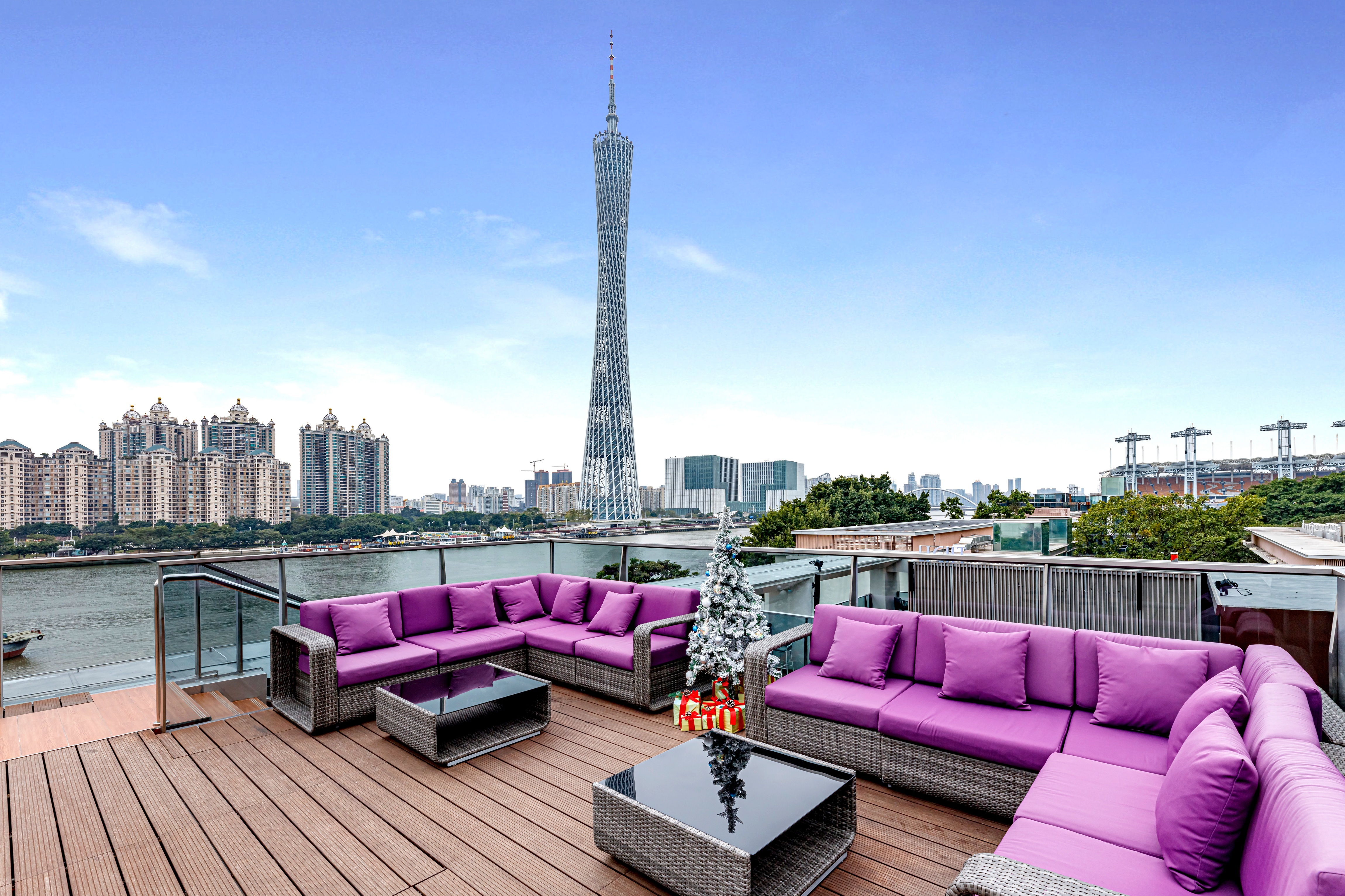
I. Choosing High-Quality and Durable Materials
When purchasing outdoor furniture, choosing high-quality and durable materials is the first step in extending its lifespan.
1. Metal Furniture
Metal furniture such as aluminum alloy, stainless steel, and wrought iron furniture has the characteristics of being strong and durable. Aluminum alloy is lightweight and not easy to rust, stainless steel has excellent corrosion resistance, and wrought iron furniture appears more robust. However, metal furniture still needs regular checks for signs of corrosion or rust and timely treatment.
2. Natural Wood
Teak, bamboo, and cedar, etc., are natural woods widely used in outdoor furniture due to their natural weather resistance. Regular wood care, such as oiling or applying waterproof agents, can effectively extend the life of wooden furniture and prevent cracking, deformation, and insect infestation.
3. Synthetic Wicker
Synthetic wicker furniture has the advantages of being lightweight, easy to clean, and highly weather-resistant. Compared with natural wicker, synthetic wicker is not easy to fade or deform and is suitable for long-term outdoor use.
4. Plastic and Resin
High-quality outdoor-grade plastic and resin furniture has the characteristics of being waterproof, mildew-proof, and easy to clean, suitable for various climatic conditions. However, it is necessary to choose UV-resistant products to prevent discoloration or cracking due to prolonged sun exposure.
II. Regular Cleaning and Maintenance
Keeping outdoor furniture clean not only enhances its appearance but also prevents dirt and mildew from growing, extending the furniture's lifespan.
1. Removing Dust and Dirt
Regularly remove dust and dirt from the surface of the furniture using a soft brush or damp cloth. For stubborn stains, you can use mild soapy water or a special cleaning agent, but avoid using strong acid or alkaline cleaning agents to prevent damage to the material surface.
2. Mildew Prevention
In humid environments, mildew is easy to grow, especially on wooden and wicker furniture. Mildew-proofing agents can be used regularly to keep the furniture dry. In addition, ensure that the furniture is dried promptly after use to prevent mildew caused by prolonged dampness.
3. Protective Coating
For wooden furniture, waterproof oil or wood wax oil can be applied regularly to form a protective layer, preventing water penetration and UV erosion. Metal furniture can be coated with rust-proof paint to increase corrosion resistance.
III. Proper Storage and Protection
Reasonable storage and protection are important links in extending the life of outdoor furniture, effectively reducing the damage caused by environmental factors.
1. Using Protective Covers
Using special outdoor furniture protective covers can effectively prevent rainwater, dust, and direct sunlight. Choosing waterproof and breathable cover cloths helps prevent mildew growth and water accumulation problems.
2. Seasonal Storage
Before winter or the arrival of bad weather, move outdoor furniture indoors or into a garage for storage to avoid damage to the furniture from low temperatures, ice and snow, and strong winds. Using waterproof and dustproof storage boxes is also a good choice.
3. Avoiding Direct Sun Exposure
Long-term ultraviolet radiation can cause furniture to fade and materials to age. Placing the furniture in a semi-shaded area or using parasols, awnings, etc., to block direct sunlight helps reduce the damage of ultraviolet rays to the furniture.
IV. Regular Inspection and Repair
Regularly inspect all parts of the outdoor furniture, promptly discovering and addressing potential problems, which can prevent small problems from becoming major failures and extend the lifespan of the furniture.
1. Tightening Connecting Parts
Check if the screws, nuts, and other connecting parts of the furniture are loose, and tighten or replace them in time to ensure the furniture structure is stable.
2. Replacing Damaged Parts
For damaged or severely worn parts, such as cushions, folding mechanisms, etc., they should be replaced promptly to avoid affecting the overall use effect and safety.
3. Lubricating Moving Parts
For furniture with moving parts, such as adjustable backrests, retractable table legs, etc., regular lubrication ensures smooth operation and reduces wear and tear.
V. Reasonable Use and Maintenance Habits
Good usage habits and maintenance habits are also important factors in extending the lifespan of outdoor furniture.
1. Avoiding Excessive Weight
Do not place excessively heavy objects on the furniture to avoid excessive stress on the structure, leading to deformation or damage.
2. Removing Standing Water Promptly
After rain or cleaning, dry the furniture promptly to prevent corrosion and mildew caused by standing water.
3. Preventing Contact with Chemicals
Avoid contact between strong acids, strong alkalis, paints, and other chemicals with the furniture surface to prevent the material from being corroded or discolored.
VI. Choosing Suitable Maintenance Products
Choosing the right maintenance products for different furniture materials can effectively protect the furniture and extend its lifespan.
1. Wood Care Products
Use specialized wood care oils, wood wax oils, or waterproof coatings and apply them regularly to maintain the natural toughness and color of wooden furniture.
2. Metal Anti-corrosion Products
Use rust-proof paint, preservatives, etc., to protect metal furniture from oxidation and corrosion.
3. Cleaners and Mildew Preventatives
Choose cleaners suitable for specific materials, clean regularly, and use mildew preventatives to keep the furniture clean and hygienic.
Conclusion
Outdoor furniture is an important investment in improving the quality of life; however, its lifespan is affected by many factors. By choosing high-quality and durable materials, regularly cleaning and maintaining, storing and protecting correctly, regularly inspecting and repairing, and developing good usage and maintenance habits, the lifespan of outdoor furniture can be effectively extended, ensuring that it remains beautiful and practical in various weather conditions. Attention to detail and scientific maintenance will allow your outdoor furniture to accompany you in enjoying more wonderful outdoor time.
Online Message
*We will contact you as soon as possible after receiving your message!
Friendly Links: