

In the customized procurement of furniture for chain hotels, how to ensure the consistency between furniture design and the overall brand image?
Publish Time:
2024-12-16
In the operation of chain hotels, brand image consistency is crucial, especially in furniture customization procurement. Design consistency not only affects visual aesthetics but also impacts guests' perception and experience of the brand. Here are some key strategies to ensure furniture design aligns with brand image.
1. Clearly Define Brand Style
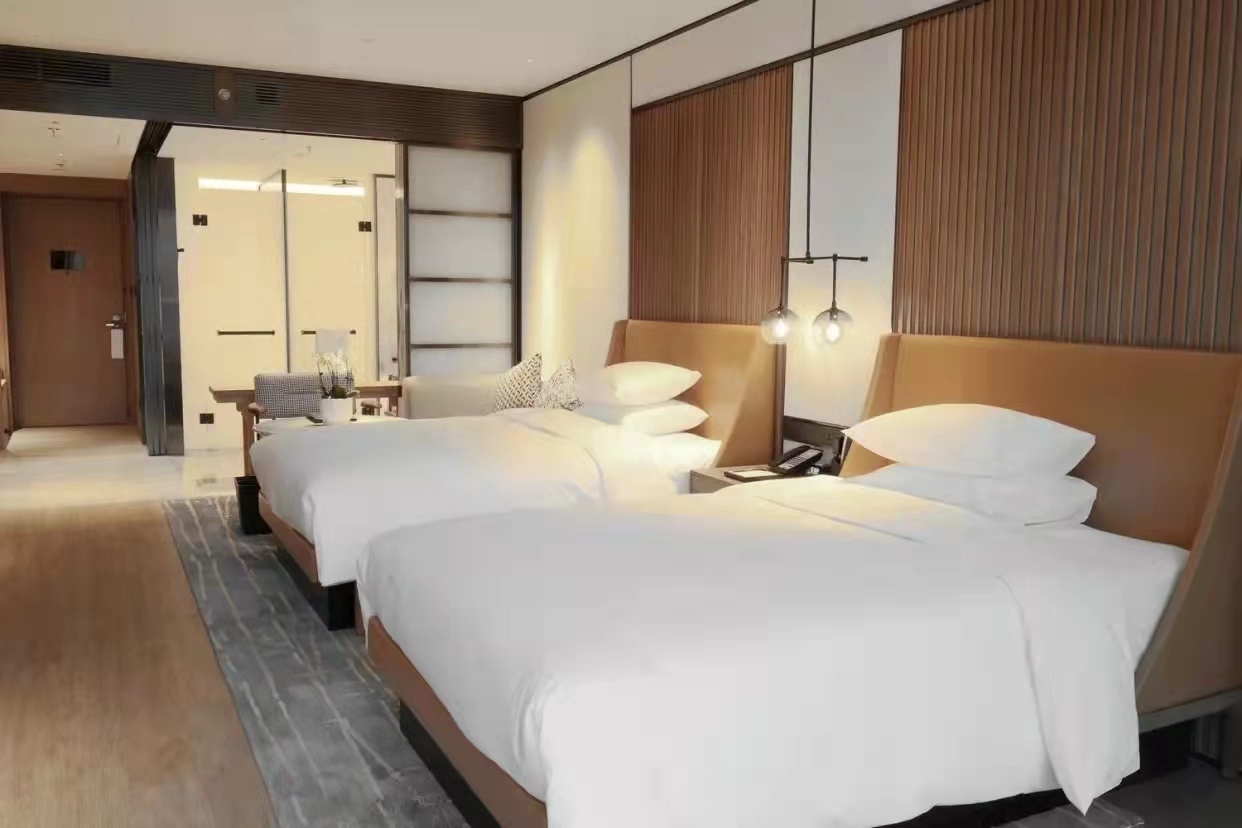
First, chain hotels need to clearly define their brand style and values. This includes detailed descriptions of overall tone, design elements, material selection, and visual style. By establishing a detailed brand style guide, including color codes, preferred materials, and design features, clear direction is provided for furniture design. This ensures style consistency across multiple branches, conveying a unified brand image.
2. Choose the Right Design Partner
To achieve furniture design consistent with the brand image, choosing an experienced design team that understands the hotel brand's values is crucial. The design partner needs to thoroughly understand the hotel's brand concept and translate it into specific furniture design schemes. Collaborating with designers or design firms that offer customized solutions effectively ensures the uniqueness and consistency of the design.
3. Establish a Strong Communication Mechanism
During the furniture design and production process, there should be open communication channels between hotel management and the design and production teams. Regular design meetings should be held to ensure that all parties have the same understanding and expectations regarding design concepts, progress, and cost control. Through real-time communication and feedback mechanisms, design problems can be addressed promptly, ensuring that the final product meets brand standards and direction.
4. Use Consistent Materials and Colors
Materials and colors are important components of brand style and should remain consistent in furniture customization. Choose fabrics and finishes that match the brand's color scheme and use them consistently across different chain stores. This not only helps maintain overall visual consistency but also creates economies of scale in procurement and manufacturing, reducing costs.
5. Focus on Detailed Design
Details often determine success or failure. In the customization process of chain hotel furniture, meticulous control over styles, accessories, and decorative elements is crucial. These detailed designs should match the overall brand style and reflect the hotel's unique personality. For example, unified handle designs and similar decorative patterns can enhance uniformity.
6. Standardized Production Process
A standardized production process effectively ensures the stability of furniture quality and design consistency. Collaborate with production suppliers familiar with brand standards to ensure that each product undergoes rigorous quality control inspection, ensuring the perfect execution of the design scheme.
7. Continuous Monitoring and Feedback
Finally, after furniture installation and use, continuously monitor the consistency of furniture design with the brand image through customer reviews and staff feedback. Based on feedback data, continuously optimize and adjust future design schemes to maintain the brand image's advantage in market competition.
Conclusion
In the furniture customization procurement process of chain hotels, ensuring design consistency with the overall brand image requires strategic planning and execution. By clearly defining the brand style, choosing the right partners, strengthening communication mechanisms, and paying meticulous attention to material selection and detailed design, hotels can effectively maintain brand image consistency and improve customer experience. Continuous monitoring and feedback ensure that the design continues to optimize with the development of the brand and market.
Online Message
*We will contact you as soon as possible after receiving your message!
Friendly Links: