



When customizing executive desks, what key factors can effectively enhance their functionality and aesthetics?
Publish Time:
2024-12-16
In the modern workplace, an executive desk is more than just an office tool; it's a key element in showcasing company culture and the leader's personal style. When customizing an executive desk, effectively enhancing its functionality and aesthetics is crucial. This impacts not only the overall harmony of the office space but also work efficiency and the leader's daily user experience. The following key factors can help achieve ideal results when customizing an executive desk.
1. Determine Space Layout
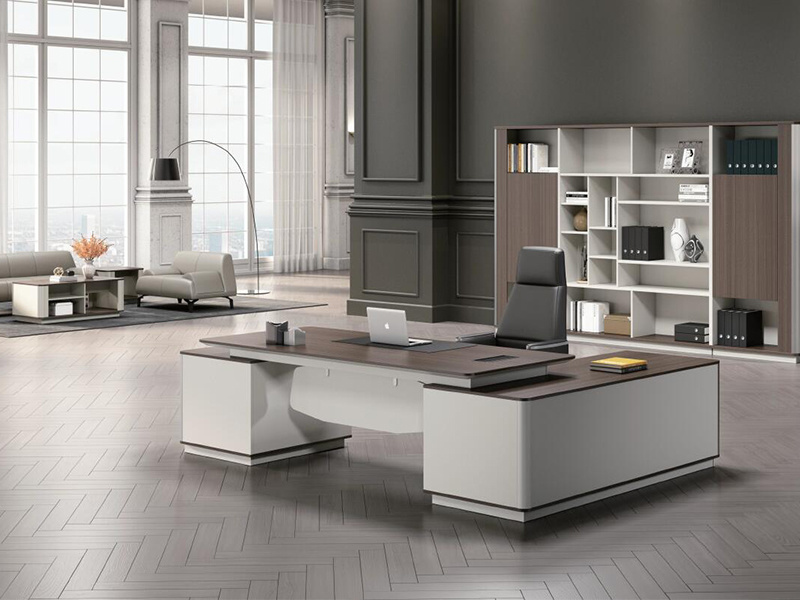
Before customizing an executive desk, clarify the office space layout where the desk will be placed. Consider the room's size, shape, and the placement of other furniture to ensure the desk's dimensions suit the overall space, avoiding both overcrowding and excessive emptiness. Furthermore, traffic flow design is crucial; the leader should be able to move around the office easily to improve work efficiency.
2. Choose High-Quality Materials
Material selection directly impacts the desk's durability and visual appeal. Common materials include solid wood, composite board, metal, and glass. Solid wood desks, while more expensive, offer natural textures and a high-end feel that enhances aesthetics and elevates the space. For leaders seeking a modern style, consider combinations of metal and glass for a stronger visual impact.
3. Ergonomic Design
The design of an executive desk should fully consider ergonomics to ensure long-term comfort and health benefits. The desk's height, chair support, and the placement of keyboards and monitors all require scientific design to reduce user fatigue. In addition, a well-designed storage system helps maintain a tidy desktop and improves work efficiency.
4. Customized Functionality
Customize the desk's functionality based on the leader's work habits and needs. For example, add concealed power outlets for easy use of various electronic devices; design drawers and filing cabinets for efficient file management; and create an extended desktop area for meetings to accommodate small meetings. These functional designs enhance usability and the desk's practical value.
5. Focus on Color and Style Consistency
In terms of aesthetics, the desk's color and design style should be consistent with the overall office style. Classic dark colors can convey a sense of stability, while simple light colors create a modern feel. Overall style consistency enhances the office's professional image and gives leaders a greater sense of belonging and confidence in their work environment.
6. Brand and Craftsmanship
Choosing a reputable brand and high-quality craftsmanship ensures a high-quality desk. Excellent craftsmanship is not only more refined in detail but also ensures the desk's long-term durability and stability. Understanding the manufacturer's craftsmanship, reviewing past customer feedback, and viewing case studies can help make better purchasing decisions.
Conclusion
When customizing an executive desk, functionality and aesthetics are inseparable. Through proper space layout, selection of high-quality materials, ergonomic design, functional customization, and attention to overall style, a practical and visually appealing office environment can be created. This not only improves work efficiency but also enhances the presentation of company culture and reflects the leader's professionalism and taste. By focusing on these key factors, companies can create an ideal office space for their leaders.
Online Message
*We will contact you as soon as possible after receiving your message!
Friendly Links: