


How to balance aesthetics and functionality in the custom furniture design for five-star hotels?
Publish Time:
2024-12-11
In the process of five-star hotel furniture customization, balancing aesthetics and functionality is a major challenge for designers and manufacturers. Five-star hotels are committed to providing guests with a luxurious and comfortable environment, so furniture must not only be visually appealing but also meet practical functional needs. The following points explore how to effectively balance the two.
1. Comprehensive Design Concept
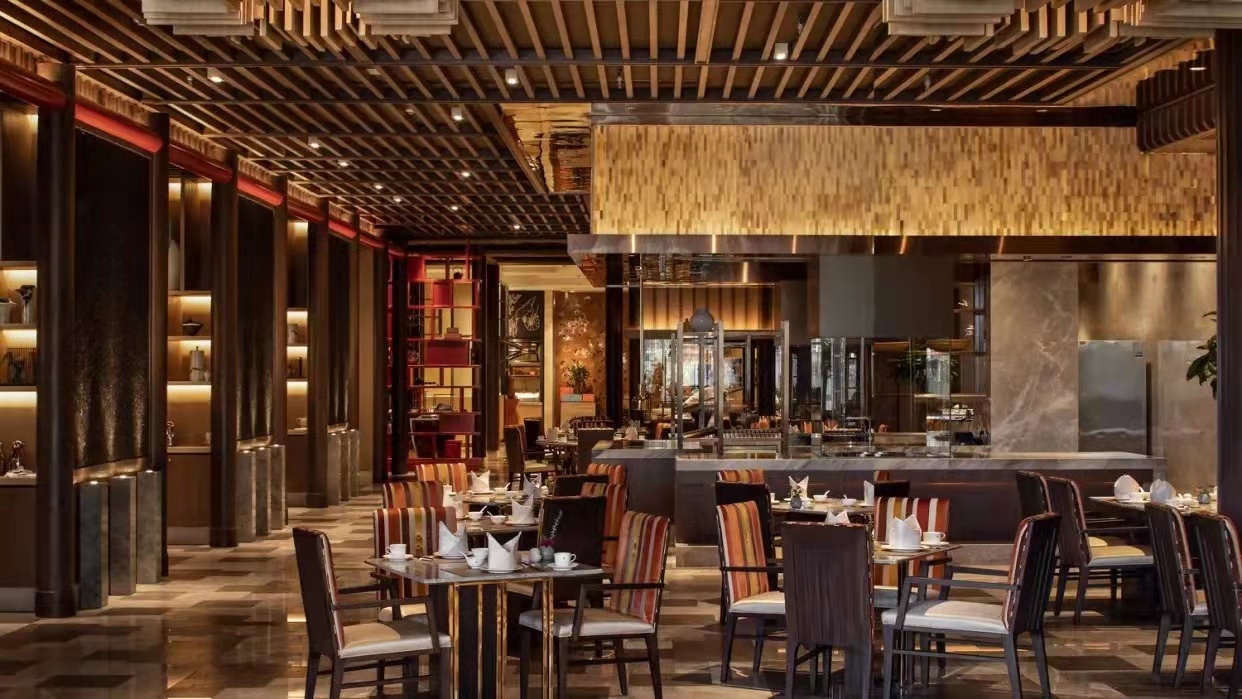
At the beginning of furniture design, aesthetics and functionality should be incorporated into the design concept as equally important considerations. Designers should fully understand the hotel's brand positioning and design theme to ensure that the furniture is in harmony with the overall style. For example, incorporating sustainable materials and modern craftsmanship into the design can showcase unique visual aesthetics while maintaining a high level of functionality.
2. Selection of High-Quality Materials
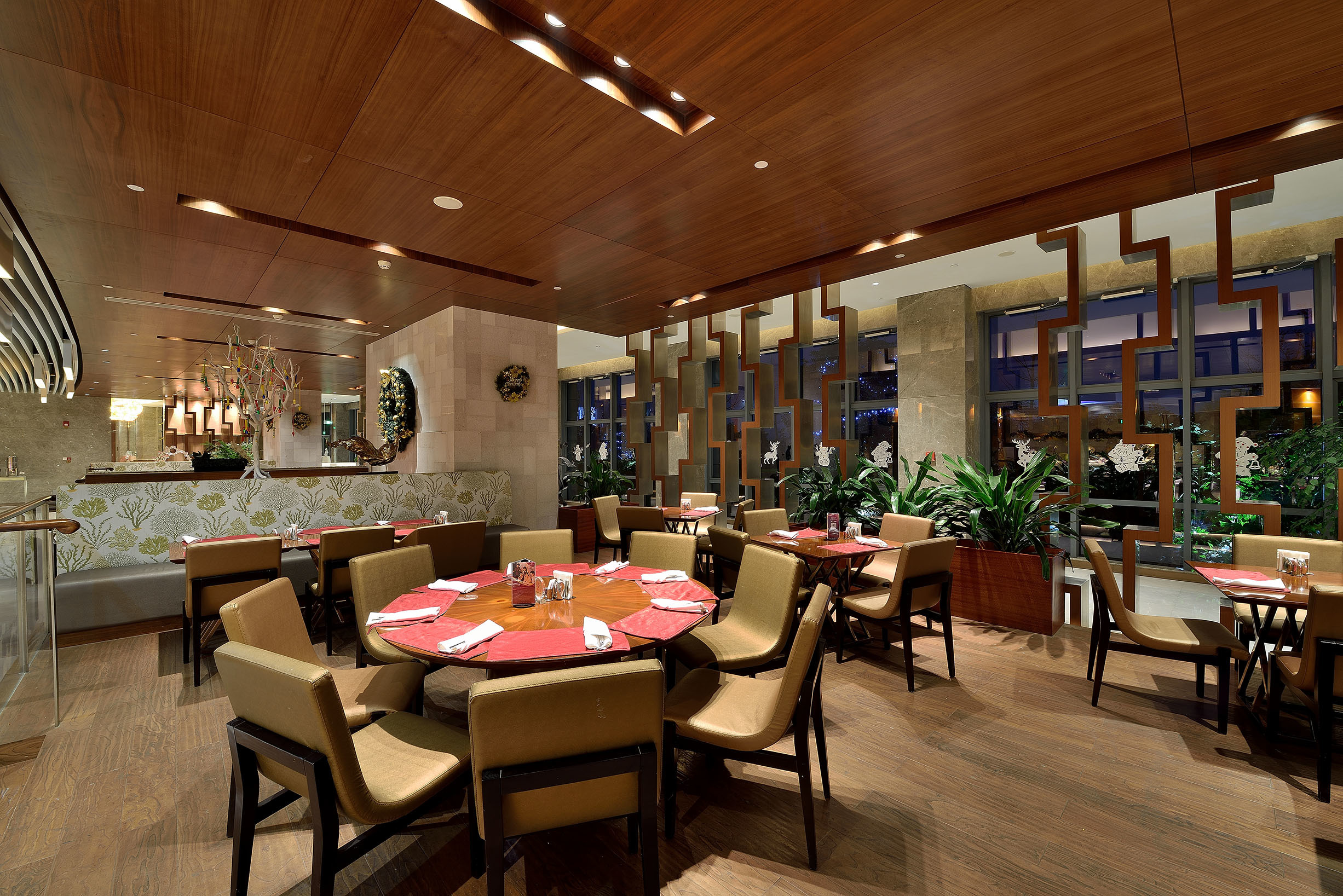
The choice of materials is crucial for achieving a balance between aesthetics and functionality. High-end materials such as walnut wood, brass, stainless steel, and marble not only provide a luxurious visual feel but are also ideal choices for five-star hotel furniture due to their durability and practicality. In addition, the use of easy-to-clean and wear-resistant fabrics helps to keep the furniture looking new for a long time and facilitates daily maintenance.
3. Modular Design
Modular design can flexibly adapt to different space needs and is a great innovative way to balance aesthetics and functionality. Modular furniture can be reorganized according to room size and layout, maximizing space utilization and improving the practicality of the furniture. Through creative combinations and reconfigurations, it meets the diverse needs of different guests.
4. Ergonomics and Comfort
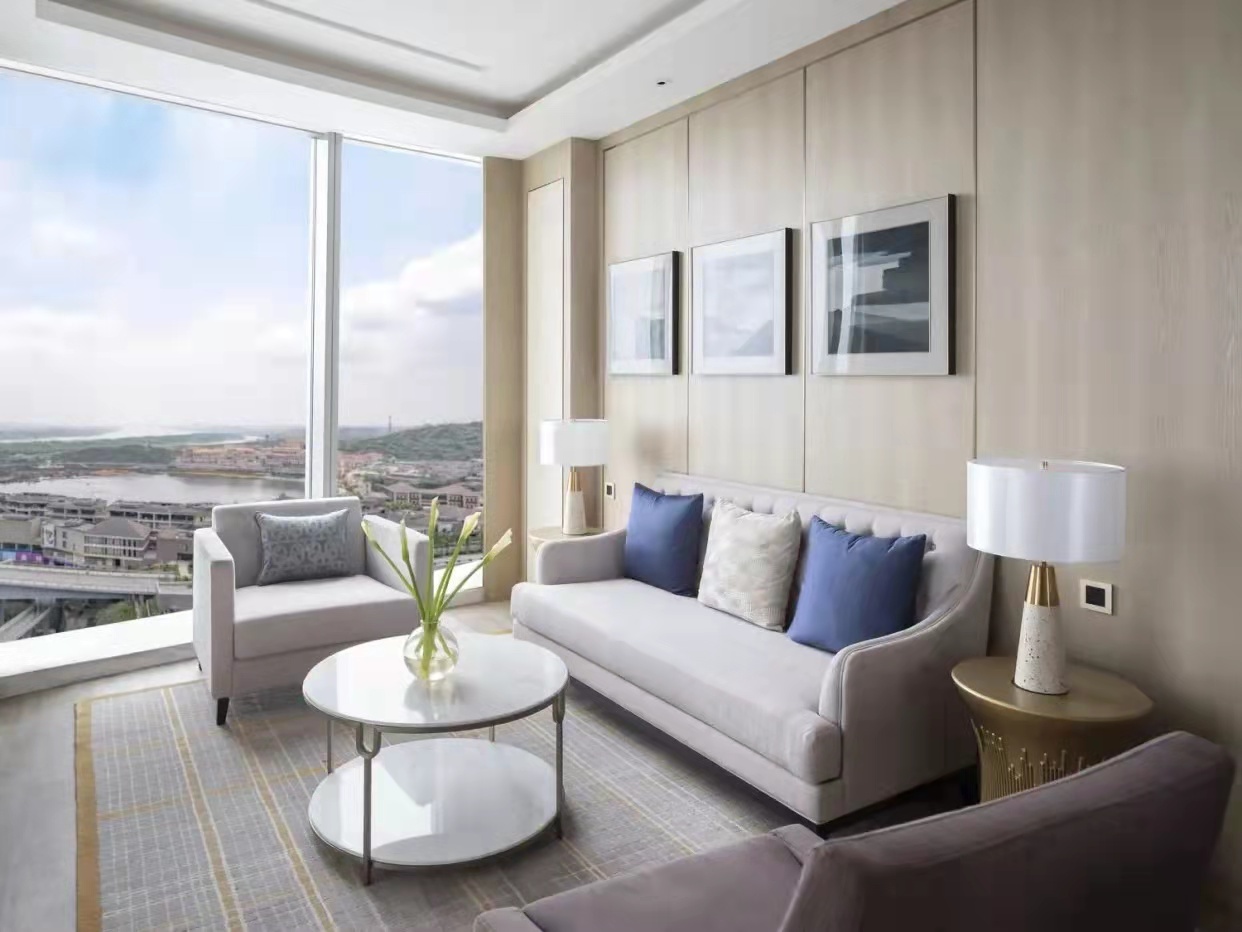
Considering ergonomics in the design process ensures that the furniture is aesthetically pleasing and comfortable. Ergonomic design can improve the guest experience and satisfaction. For example, the height of the seat, the curvature of the table, the support and softness of the mattress, etc., are all details that need to be carefully considered in the design.
5. Integration of Smart Functions
Integrating smart functions into furniture, such as adjustable lighting, built-in charging ports, folding desks, etc., can significantly improve the functionality of the furniture while providing hotel guests with a modern and convenient experience. By ensuring that these technologies are perfectly integrated with the furniture design style, the overall technological sense and modernity are enhanced.
6. Regular Evaluation and Feedback
After the furniture is put into use, obtaining customer feedback to evaluate the aesthetic and functional performance of the furniture can provide important basis for future design and customization. Appropriate adjustments and improvements are made based on the feedback to continuously improve the overall performance of the furniture.
Conclusion
In the customization of five-star hotel furniture, balancing the needs of aesthetics and functionality is a complex and crucial task. This goal can be achieved through comprehensive design concepts, the selection of high-quality materials, modular design, and full consideration of ergonomics. Ultimately, furniture that perfectly balances aesthetics and functionality will significantly enhance the guest experience and help hotels provide excellent service quality.
Online Message
*We will contact you as soon as possible after receiving your message!
Friendly Links: