



How to ensure the safety and durability of materials during the customization of medical furniture?
Publish Time:
2024-12-10
In the Medical and elderly care furniture customization process, ensuring the safety and durability of the materials is a crucial step. Medical and elderly care furniture not only needs to meet the comfort needs of users, but also needs to comply with various health and safety standards to ensure the safety of the elderly and patients. The following points will explain how to ensure the safety and durability of materials in the customization process of medical and elderly care furniture.
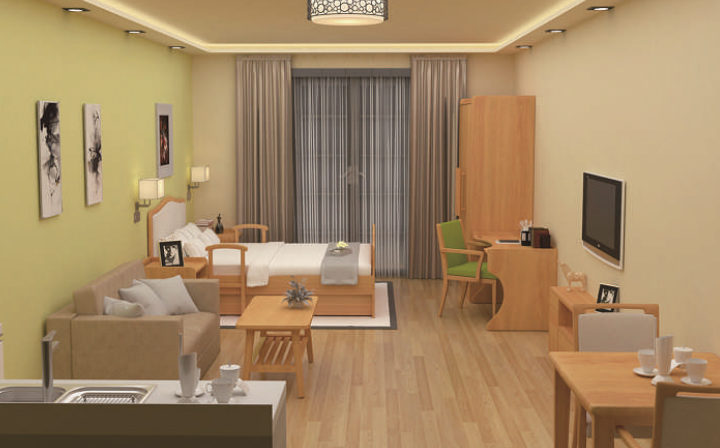
1. Choose materials that meet standards
When customizing medical and elderly care furniture, the first step is to choose materials that meet international and domestic health and safety standards. Materials should have antibacterial, mildew-proof, and moisture-proof properties to avoid the growth of bacteria and health problems during long-term use. It is necessary to require suppliers to provide relevant certifications, such as green environmental protection certification and ISO quality certification, to confirm the quality of their materials.
2. Prioritize durable materials
Durability is a key consideration for medical and elderly care furniture. Commonly used durable materials include high-strength metal frames, non-deformable panels, and sturdy wood. In addition, evaluating the compressive strength, tensile strength, and wear resistance of materials can ensure that the furniture maintains good physical properties during long-term use.
3. Pay attention to surface treatment
Medical and elderly care environments have high hygiene requirements for furniture. Therefore, the surface treatment of furniture must prevent liquid penetration and stain adsorption. Choosing specially treated surface materials, such as waterproof coatings and easy-to-clean surfaces, can improve the service life of the furniture and maintain cleanliness and hygiene.
4. Material testing and verification
Before mass production, conduct systematic testing of materials through an independent third-party laboratory, including toxicity testing, load testing, and wear testing. These tests can effectively verify the performance of materials under different conditions and ensure that any potential safety hazards are identified and resolved at an early stage.
5. Supply chain management and supervision
When purchasing raw materials, establish a reliable supply chain and conduct strict review and evaluation of suppliers to ensure the continuous stability of raw material quality. Regular audits and improvements to the supply chain can effectively reduce the risk of using substandard materials.
6. Regular maintenance and update plan
Ensuring the safety and durability of materials is not only a task during the customization process, but also requires continuous attention after the furniture is put into use. Developing a detailed furniture maintenance plan and regularly inspecting and updating worn parts can greatly extend the service life of the furniture.
Conclusion
In the customization process of medical and elderly care furniture, the safety and durability of materials are comprehensive considerations. By choosing materials that meet health and environmental protection standards, conducting comprehensive testing and verification, and implementing strict supply chain management and maintenance plans, we can ensure that medical and elderly care furniture performs optimally in actual use and provides users with a safe and comfortable experience.


Online Message
*We will contact you as soon as possible after receiving your message!
Friendly Links: