



How does school dormitory furniture affect students' learning and quality of life?
Publish Time:
2024-11-28
School dormitories are important living and learning spaces for students during their time at school. The configuration and design of dormitory furniture directly affect students' quality of life and learning outcomes. This article will explore how school dormitory furniture affects students' learning and quality of life, and offer suggestions for improving the dormitory environment.
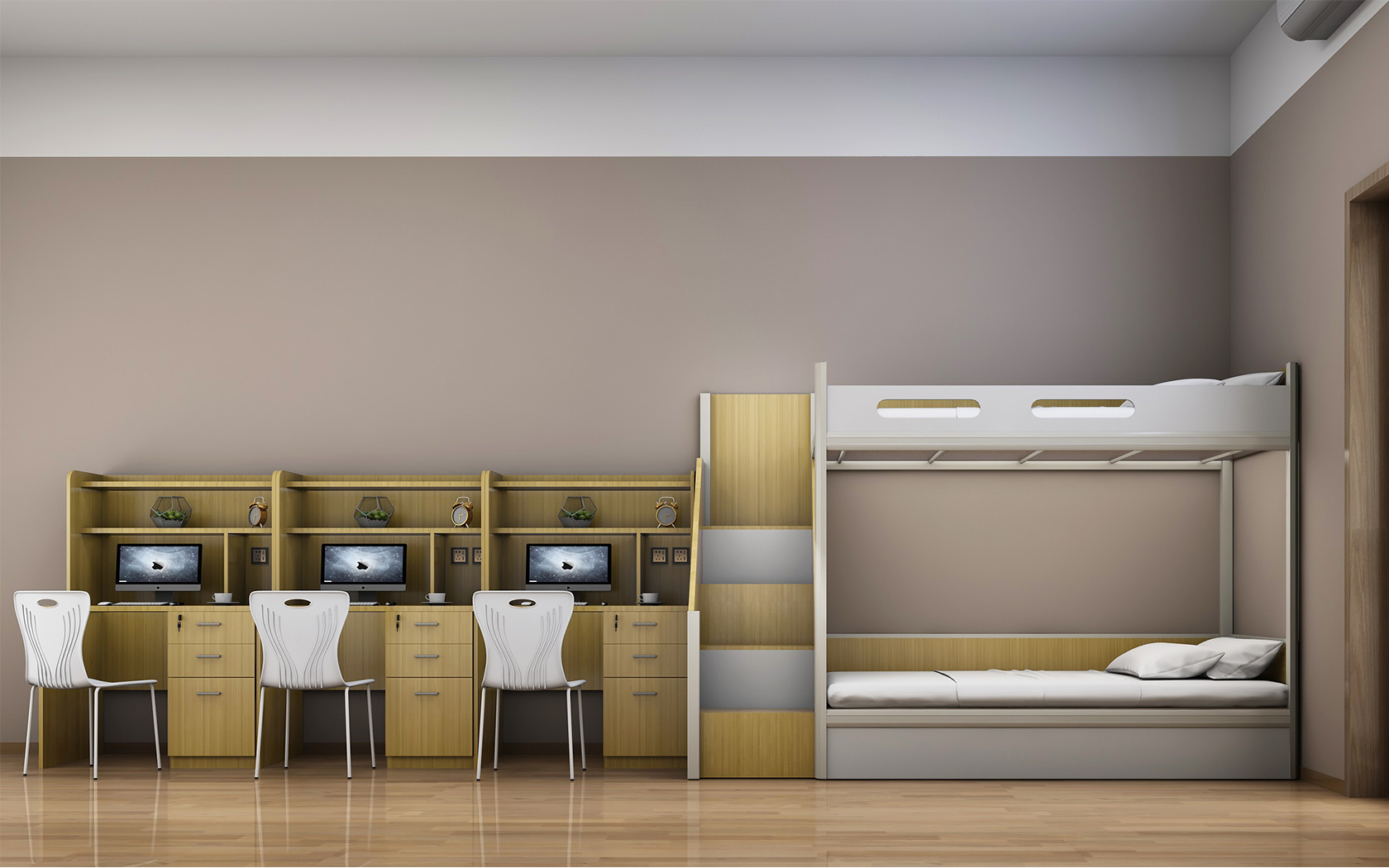
Comfort and Functionality
The Importance of Furniture Comfort
High-quality dormitory furniture should first meet students' basic comfort needs. A comfortable bed ensures students get good sleep, improving learning efficiency and physical health. The design of desks and chairs should be ergonomic to support long hours of studying and reading without causing fatigue.
The Necessity of Functional Design
Dormitory space is usually limited, so the functionality of furniture is particularly important. Multifunctional furniture, such as beds with storage space or foldable desks, can effectively utilize space and improve the overall practicality of the dormitory. In addition, a reasonable furniture layout can provide students with a clean and orderly living and learning environment, promoting focus and efficiency.
Personalization and Flexibility
The Psychological Impact of Personalized Design
If the design of dormitory furniture can reflect a certain degree of personalization, it will better meet students' personal preferences and living habits. This personalization can not only enhance students' sense of belonging but also inspire their creativity and initiative. Having a comfortable environment is especially important during self-identity and growth.
Advantages of Flexible Furniture
Adjustable and modular furniture allows students to adjust the layout at any time according to their needs, adapting to different learning and living patterns. This flexibility helps students create a suitable learning space in their dormitory, improving their motivation and efficiency in independent learning.
Environmental Protection and Sustainability
The Use of Eco-Friendly Materials
Choosing furniture made from environmentally friendly materials not only contributes to students' health but also reflects the school's commitment to sustainable development. Harmless materials can reduce harmful substances in the air, creating a safer living environment.
Durable Furniture Design
Durable furniture reduces the frequency of replacement, lowering long-term costs and resource waste, aligning with the concept of sustainable development. When purchasing furniture, schools should focus on the product's lifespan and maintainability to achieve a win-win situation in terms of environmental friendliness and economic benefits.
Conclusion
In general, school dormitory furniture plays an indispensable role in affecting students' learning and quality of life. By selecting furniture with high comfort, diverse functionality, personalization, flexibility, and an emphasis on environmental protection and durability, schools can provide students with a more ideal and efficient living and learning environment. This not only helps improve students' academic performance but also promotes their physical and mental health development, allowing them to have a better experience in campus life.

Online Message
*We will contact you as soon as possible after receiving your message!
Friendly Links: