



When selecting furniture for a hotel restaurant, what factors are key to enhancing the ambiance?
Publish Time:
2024-11-27
In today's competitive hotel industry, restaurants are not just dining spaces but also part of the overall guest experience. Therefore, the choice of restaurant furniture plays a vital role in enhancing the ambiance and expressing the hotel's brand personality. This article will explore the key factors to consider when selecting hotel restaurant furniture to effectively enhance the ambiance and provide guests with a memorable dining experience.
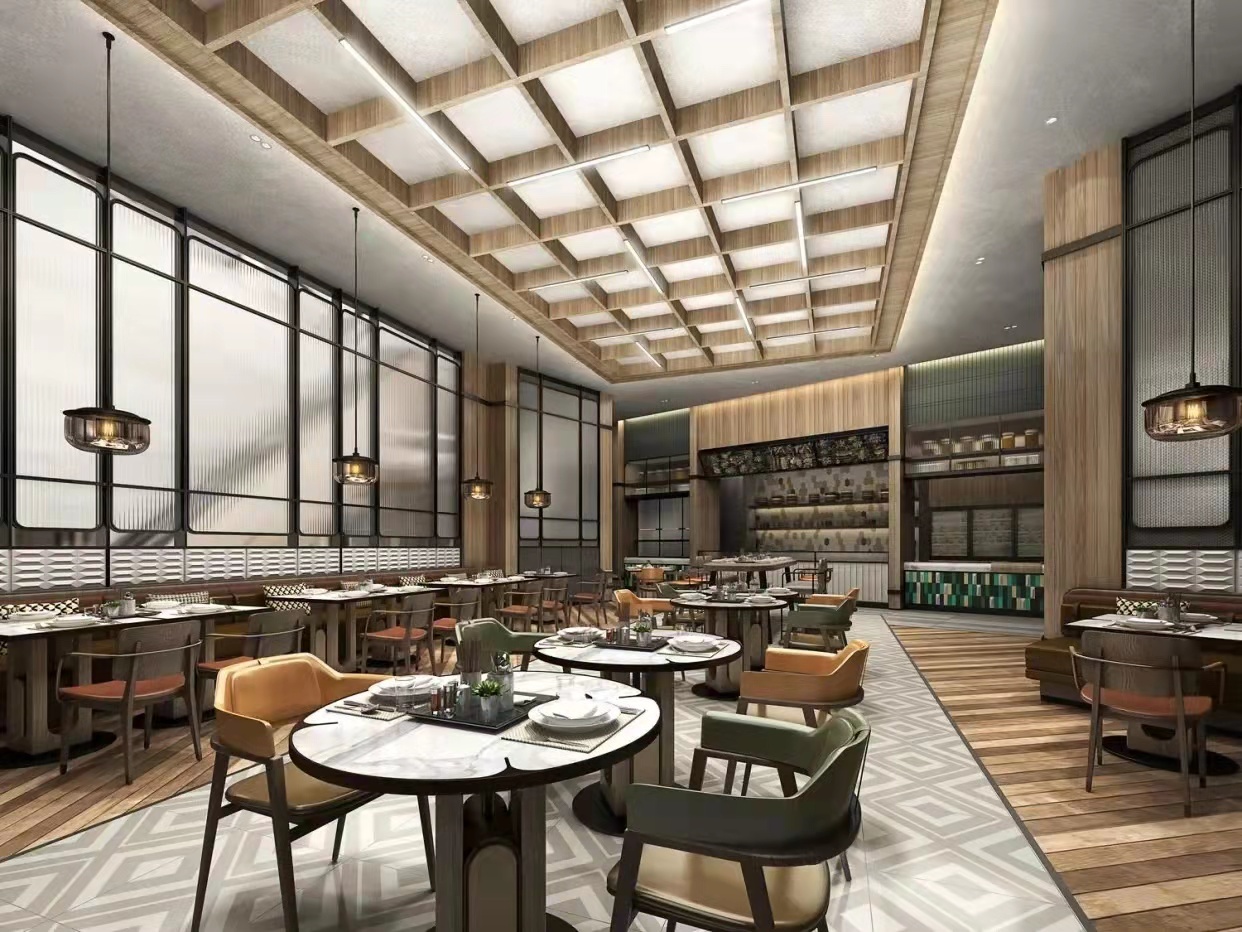
I. Style Unity and Brand Expression
1. Coordination with Overall Decoration Style
When choosing restaurant furniture, the first consideration should be its coordination with the hotel's overall decoration style. For example, in a modern hotel, minimalist furniture may be more suitable, while in a retro-themed hotel, classical and elegant furniture can better convey the hotel's characteristics. Style unity helps provide guests with a consistent visual experience.
2. Reinforcing Brand Personality
Hotel restaurant furniture should reflect the hotel's brand personality. Through color, material, and design details, the hotel can express specific brand emotions. If the hotel is positioned as high-end and luxurious, then choosing high-quality natural materials and exquisite craftsmanship is particularly important.
II. Comfort and Functionality
1. Comfortable Seating Design
Comfortable seating design is key to enhancing customer satisfaction. Ergonomic design ensures that guests of different sizes can enjoy a comfortable dining experience, thus extending their stay and improving overall satisfaction.
2. Flexible Layout Configuration
Hotel restaurants usually need to meet the needs of different-sized events, so the flexibility of the furniture is very important. Movable or modular furniture designs can help restaurants quickly adjust their layouts to accommodate different occasions such as group dining, private gatherings, or business meetings.
III. Influence of Color and Material
1. Color Matching for Ambiance Creation
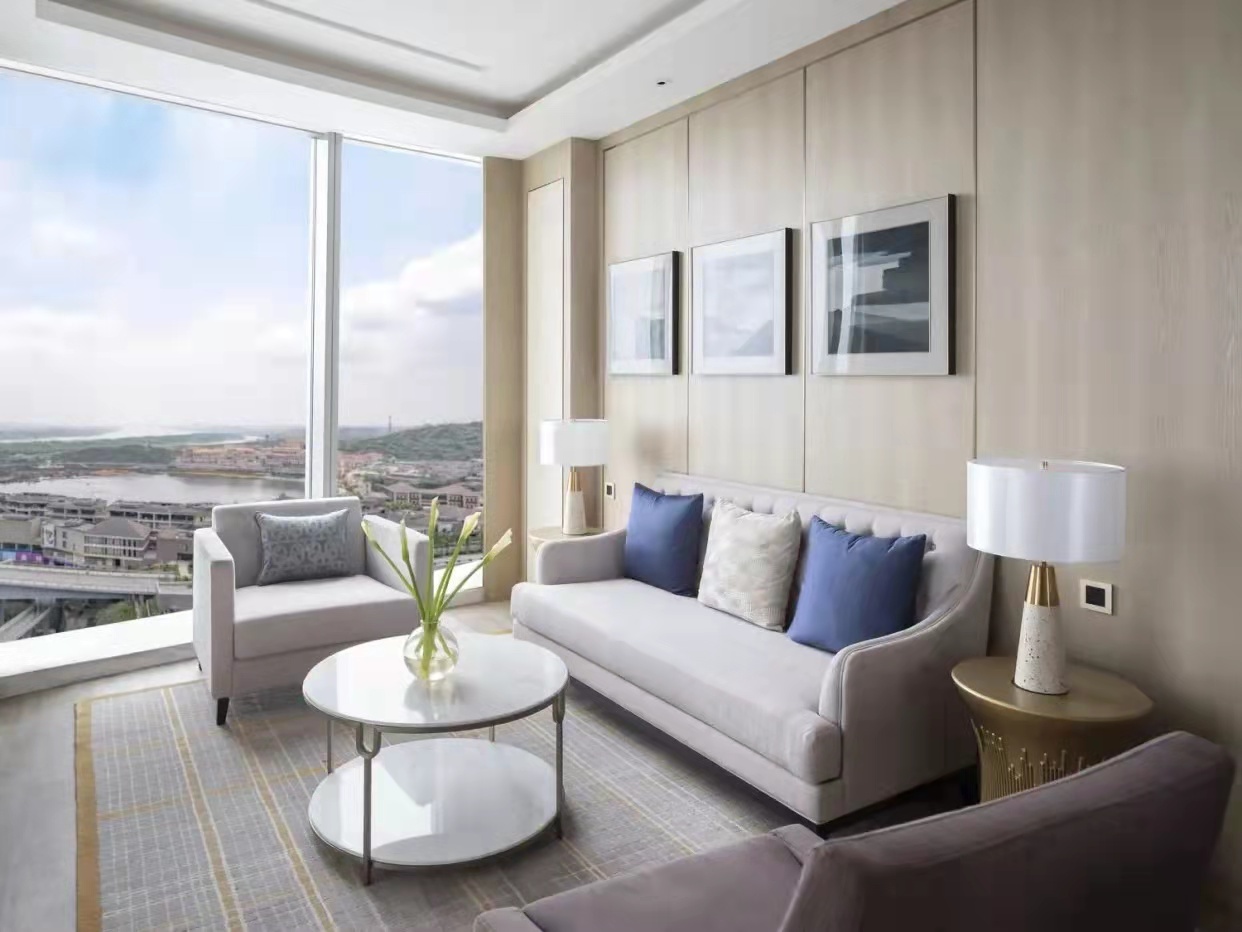
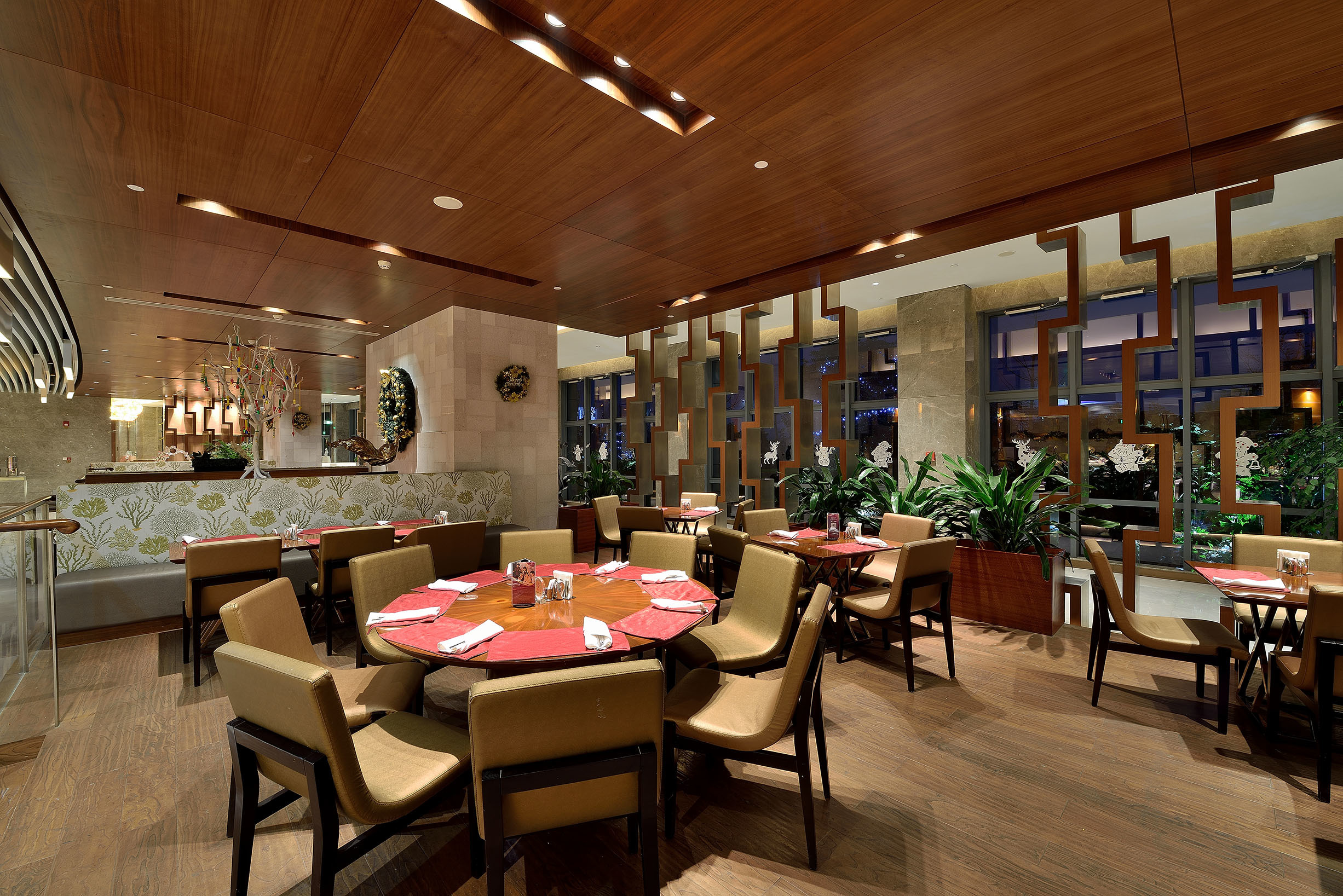
Color plays a significant role in shaping the ambiance of a space. Warm colors such as red and orange can increase the space's vitality and warmth, while cool colors such as blue and green can convey a calm and relaxing atmosphere. Choosing the right colors can help hotels create specific emotional experiences based on the needs of their target customers.
2. Texture Influence of Material Selection
The material of the furniture directly affects the texture and grade of the space. For example, natural wood and high-grade fabrics can give furniture a warm and luxurious feel, while metal and glass can convey a modern and fashionable atmosphere. The choice of materials not only affects the visual effect but also enhances the overall atmosphere through tactile experience.
IV. Details and Innovative Design
1. Fine Craftsmanship and Detailing
Detailed decorations and fine craftsmanship can add value to the ambiance of a hotel restaurant space. Carving, inlaying, and curved designs not only enhance the aesthetics of the furniture but also leave a lasting impression on guests.
2. Modern Innovative Design
Considering innovative designs when purchasing furniture, such as the use of environmentally friendly materials or the integration of smart functions, can inject a modern and technological feel into the hotel restaurant, attracting guests to linger.
Conclusion
When choosing hotel restaurant furniture, it is necessary to comprehensively consider various factors such as style, comfort, color, material, and design details to effectively enhance the ambiance. Such an overall design strategy can not only provide customers with a pleasant dining environment but also help hotels establish a distinct brand image, thus standing out in the competitive market.
Online Message
*We will contact you as soon as possible after receiving your message!
Friendly Links: