



What key factors should schools consider when customizing filing cabinets?
Publish Time:
2024-11-25
In modern educational institutions, filing cabinets are an essential part of daily operations, serving multiple functions such as storing files, teaching materials, and student information. Custom filing cabinets can effectively meet the specific needs and personalized requirements of schools. However, when customizing, choosing the right design and materials is key to ensuring the practicality and durability of the filing cabinets. Here are several important factors schools need to consider when customizing filing cabinets.
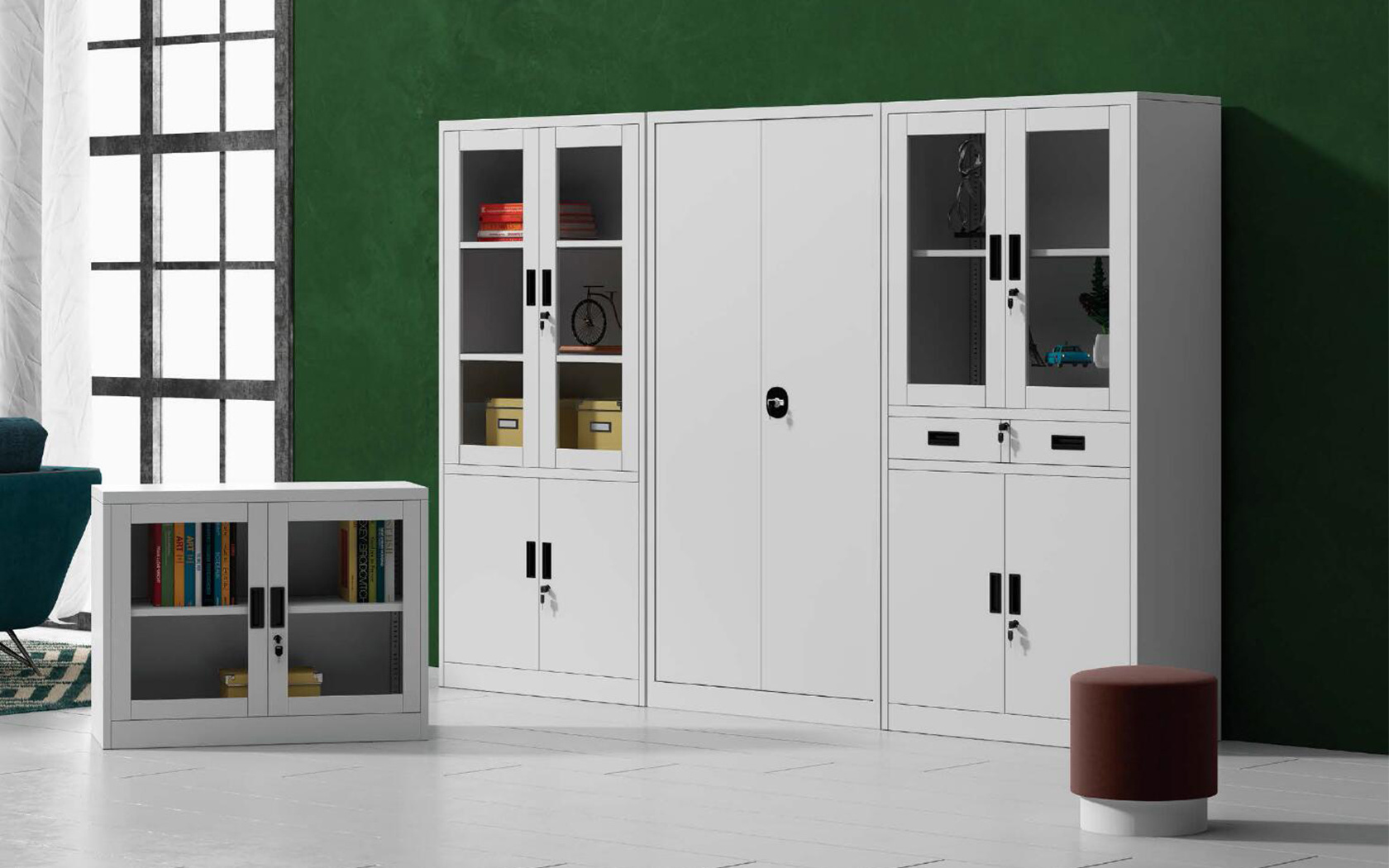
I. Space Requirements
1. Dimensions and Layout
Schools need to determine the dimensions and layout of the filing cabinets based on the actual space available. Before customization, the physical space where the filing cabinets will be placed should be carefully measured to ensure that the cabinets do not obstruct passageways or other facilities. Simultaneously, consider the number of layers and the depth of the filing cabinets to maximize space utilization and meet the storage needs of different items.
2. Modular Design
Adopting a modular design can improve the flexibility of the filing cabinets, making them easy to adjust and reconfigure. Schools may change the use of space over time, and a modular design can better adapt to changes without the need for frequent cabinet replacements.
II. Storage Requirements
1. Types of Files and Items
Understanding the types of files and items that need to be stored will help determine the internal structure of the cabinet. Schools usually need to store a large number of archives, books, and office supplies, so the internal space should include compartments and shelves of different sizes to meet the needs of categorized storage.
2. Security
To protect important documents and student information, the security of the filing cabinet is a factor that cannot be ignored. Choosing filing cabinets with locking mechanisms can effectively prevent unauthorized access, and password locks or electronic locks can also be considered to enhance security.
III. Material Selection
1. Durability
Filing cabinets are usually used for a long time, so choosing durable materials is crucial. Steel and high-density board materials are common choices; they are not only wear-resistant but can also withstand heavy loads.
2. Environmental Protection
As educational institutions, schools should choose environmentally friendly materials as much as possible to reduce their environmental impact. Using recyclable or low-VOC (volatile organic compound) materials for filing cabinets is not only environmentally friendly but also safer for human health.
IV. Aesthetics and Style
1. Coordination with the Overall School Style
The appearance design of the filing cabinet should be consistent with the overall decoration style of the school. Whether it is a modern minimalist style or a traditional classic style, reasonable color matching and design style can enhance the overall sense of coordination of the space.
2. Customized Design Elements
Through customized filing cabinets, schools can add specific design elements, such as the school logo or specific colors, to showcase the school's brand image. This not only improves the recognition of the filing cabinet but also strengthens the penetration of campus culture.
Conclusion
When customizing filing cabinets, schools need to comprehensively consider multiple factors such as space layout, storage needs, security, material selection, and aesthetics. Only by fully understanding the specific needs of the school can practical and aesthetically pleasing custom filing cabinets be designed and produced, thereby effectively improving school management efficiency and optimizing the educational environment. Through careful planning and reasonable selection of materials and design, schools can provide teachers and students with an efficient, safe, and environmentally friendly storage solution.

Online Message
*We will contact you as soon as possible after receiving your message!
Friendly Links: