


How to choose the right table and chair combinations for different meeting needs?
Publish Time:
2024-11-25
In modern office environments, the meeting room is an important space for generating ideas, making decisions, and fostering teamwork. Therefore, choosing the right combination of tables and chairs for the meeting room is crucial for improving meeting efficiency and comfort. Different meeting needs have different requirements for table and chair combinations. Below, we will discuss how to choose the right meeting tables and chairs based on specific meeting needs.
1. Determine the type and needs of the meeting
Before choosing meeting tables and chairs, it is first necessary to clarify the main type and needs of the meeting. Is it a small brainstorming meeting mainly focused on teamwork, a large formal meeting requiring presentations and decision-making, or a business negotiation with external clients? Different types of meetings have vastly different requirements for tables and chairs.
Small collaborative meetings
For this type of meeting, it is necessary to choose a highly flexible combination of tables and chairs, such as height-adjustable tables and chairs or modular conference tables, to easily rearrange the space and support different forms of communication and activities.
Formal presentation and decision-making meetings
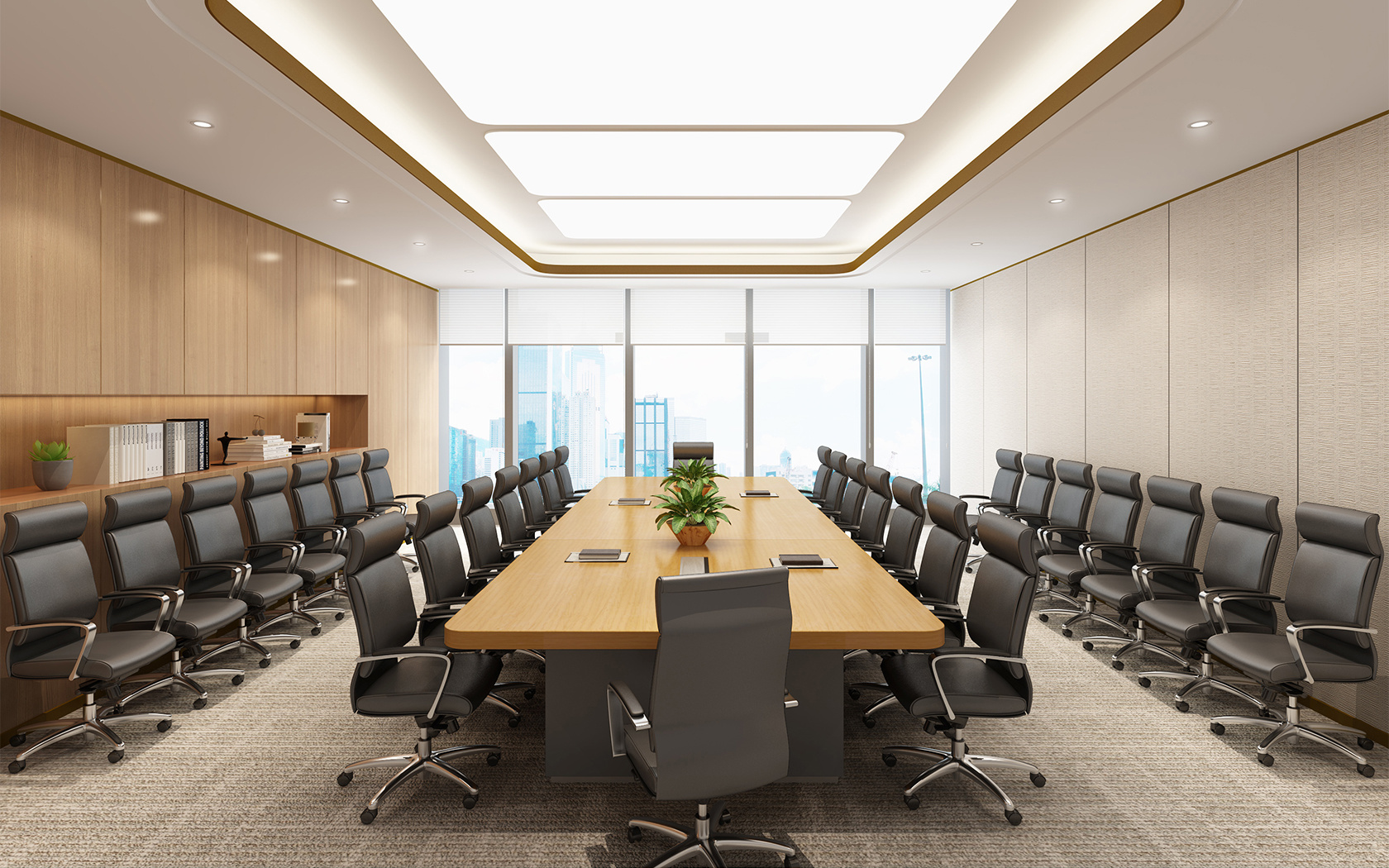
For these meetings, choosing a rectangular or oval conference table can promote authority and focused discussion. High-back chairs provide good support and comfort, suitable for long formal meetings.
Business talks
When it is necessary to negotiate with external clients or partners, a round or oval table helps create an equal and interactive atmosphere, and high-end chairs enhance professionalism and comfort.
2. Consider space size and layout
The size of the meeting room directly affects the choice of tables and chairs. According to the size and layout of the room, suitable types of tables and chairs can be selected to ensure optimal space utilization and comfort.
Large meeting rooms
In large meeting rooms, choose a large conference table that can accommodate a larger number of people, as well as matching chairs, to ensure that each participant has enough space. A U-shaped or V-shaped layout can help improve communication effectiveness.
Small and medium-sized meeting rooms
For small and medium-sized meeting rooms, retractable or folding tables and chairs can be chosen for easy storage and movement. In addition, consider choosing flexible chairs to save space.
3. Focus on comfort and ergonomics
Regardless of the type and scale of the meeting, comfort is always a key consideration. Choosing ergonomically designed chairs can reduce discomfort from prolonged sitting, improving participants' focus and engagement.
Ergonomic chairs
Chairs with adjustable height, backrest, and armrests allow participants to adjust according to their individual body shape and needs, providing maximum comfort.
Table height and space
Ensure that the height of the conference table is suitable for the comfortable sitting posture of most participants and provides sufficient legroom.
4. Material and style selection
The materials and style of tables and chairs not only affect the aesthetics of the meeting room but also affect the display of brand image and corporate culture.
Style consistency
Choose a table and chair style that matches the company culture and brand image, such as modern simplicity, traditional classics, or innovative fashion, to enhance the overall atmosphere of the meeting room.
Material durability
High-quality materials such as solid wood, metal, and wear-resistant fabrics can extend the service life of tables and chairs, reducing replacement frequency and maintenance costs.
Conclusion
Choosing a combination of tables and chairs suitable for different meeting needs requires comprehensive consideration of multiple factors such as meeting type, space layout, comfort, and material style. Through careful selection, companies can create a meeting environment that is both functional and comfortable, thereby improving overall work efficiency and employee satisfaction.
Online Message
*We will contact you as soon as possible after receiving your message!
Friendly Links: