



What are the advantages and disadvantages of steel cabinets and wooden cabinets, and which type is more suitable for your company's needs?
Publish Time:
2024-11-19
In a company's office space, choosing the right Storage Cabinet is crucial. Steel cabinets and wooden cabinets are the two most common choices, each with its own unique advantages and disadvantages. Understanding these characteristics can help companies make more rational and efficient purchasing decisions. This article will detail the advantages and disadvantages of steel cabinets and wooden cabinets to help you determine which option is best suited to your company's needs.
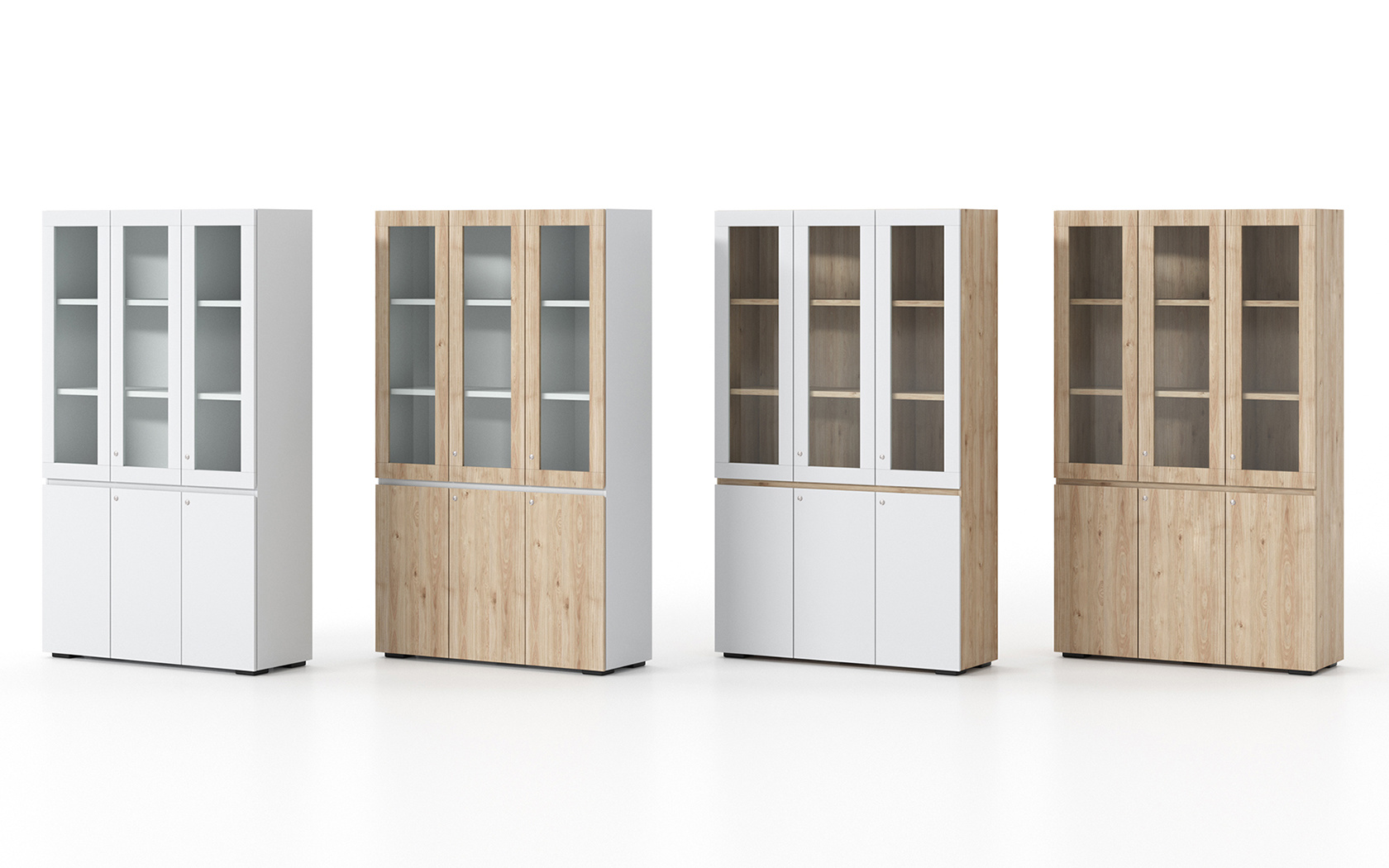
Advantages and Disadvantages of Steel Cabinets
Advantages
High Durability: Steel cabinets, made of metal, have extremely high strength and durability. They can withstand heavy loads and are not easily deformed, resulting in a long service life.
High Security: Most steel cabinets are equipped with sturdy locks that effectively protect documents, electronic equipment, and other valuables.
Easy to Maintain: Steel storage cabinets do not require special maintenance; usually, simply wiping with a damp cloth is enough to keep them clean. They are unaffected by humid environments and have good fire resistance.
High Cost-Effectiveness: Compared to wooden cabinets of the same quality, steel cabinets are often more reasonably priced and more durable.
Disadvantages
Less Aesthetically Pleasing: Steel cabinets are mostly simple in design, with limited color and style choices, giving a cold feeling that may not suit office environments where companies seek a warm atmosphere.
Heavy Weight: Due to the material, steel cabinets are quite heavy, making them inconvenient to move and requiring more manpower.
Advantages and Disadvantages of Wooden Cabinets
Advantages
Visual Appeal: Wooden cabinets, with their natural wood grain and rich color choices, can enhance the overall aesthetics of the office and create a warm and comfortable working atmosphere.
Diverse Designs: Wooden cabinets come in various styles and can be matched to the office's decor, offering high customization flexibility.
Lightweight: Compared to steel cabinets, wooden cabinets are generally lighter, making them easier to move and rearrange.
Disadvantages
Susceptible to Environmental Influences: Wood is susceptible to humidity and temperature, potentially leading to deformation and cracking. Regular maintenance and moisture-proofing are necessary.
High Maintenance Costs: To maintain the wood's appearance and product lifespan, wooden cabinets require regular cleaning, waxing, and other maintenance, increasing time and cost investment.
Limited Security: Generally, the locks on wooden cabinets are not as sturdy as those on steel cabinets, offering slightly less security for important documents.
Which is Better for Your Company's Needs?
The choice between steel and wooden cabinets ultimately depends on the company's specific needs and priorities:
Durability and Security First: If the company has high requirements for the durability and security of the storage cabinet, such as needing to store important documents or heavy items, then a steel cabinet may be more suitable.
Aesthetics and Atmosphere Creation: For companies that prioritize the aesthetics and atmosphere of the office environment, a wooden cabinet, which combines functionality and decoration, may be more suitable.
Budget Considerations: Steel cabinets generally show higher cost-effectiveness over their lifespan, but if the company wants the office to have a certain style and aesthetics, the budget needs to be prepared for the purchase and maintenance of wooden cabinets.
In making the final decision, companies should consider their budget, usage environment, aesthetic needs, and long-term plans to find the most suitable storage solution.

Online Message
*We will contact you as soon as possible after receiving your message!
Friendly Links: