


How can star hotels ensure that the design style of custom-made furniture perfectly matches the hotel's brand image?
Publish Time:
2024-11-14
In the management and operation of star hotels, furniture design is not only about aesthetics and practicality, but also needs to be closely integrated with the hotel's brand image. Conveying brand concepts through furniture and interior decoration can strengthen guests' memory points of the hotel and enhance the overall stay experience. So, how should star hotels ensure that the design style perfectly matches the brand image when customizing and purchasing furniture?
1. Clarify Brand Positioning and Core Concepts
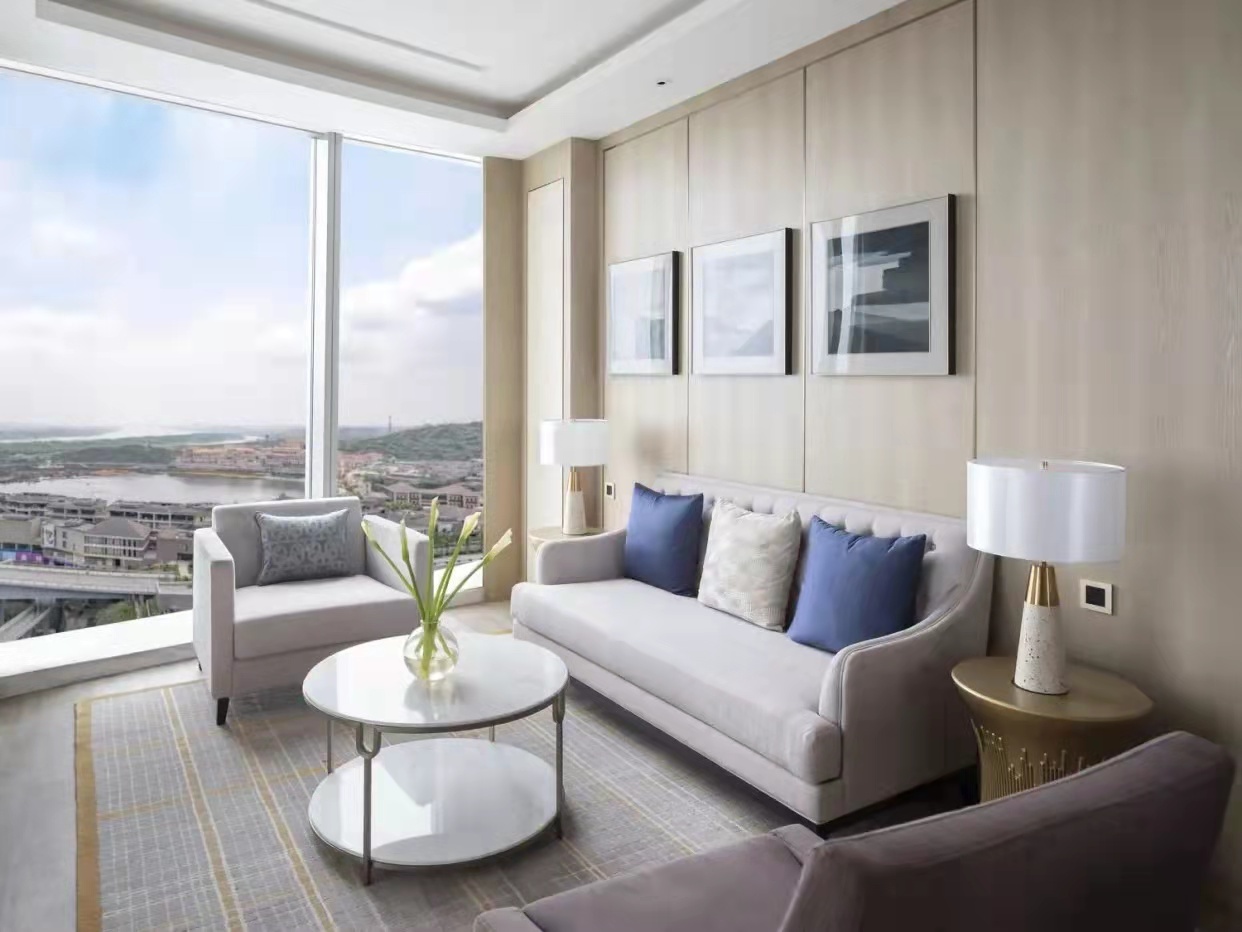
Before customizing furniture, the hotel must first clarify its brand positioning and core concepts. Brand positioning determines the target customer group the hotel attracts and the image it hopes to convey. For example, a hotel targeting business people might choose a minimalist and modern design style, while a resort hotel might prefer a natural and comfortable style. In this process, the hotel should discuss the brand's characteristics in depth with the designer and how to reflect them through interior design.
2. Collaborate with a Professional Design Team
Choosing an experienced and creative design team is key to ensuring that the furniture design style accurately conveys the brand image. Designers and hotel management teams need to communicate fully, understanding the hotel's market positioning, target customer groups, and brand story, so that they can flexibly use color, materials, and form in the design. An excellent design team can transform brand concepts into visual elements and meticulously showcase them in furniture shapes, color matching, and material selection.
3. Benchmark Industry Trends and Conduct Competitor Analysis
When customizing furniture for star hotels, it's helpful to benchmark industry design trends and the furniture styles of competitors. By analyzing the design schemes of top hotels in the industry, inspiration can be gained, and a design direction suitable for one's own brand characteristics can be found. At the same time, it can also avoid design similarities or outdated problems, allowing the hotel to stand out in the competition.
4. Focus on Thematic and Detailed Design
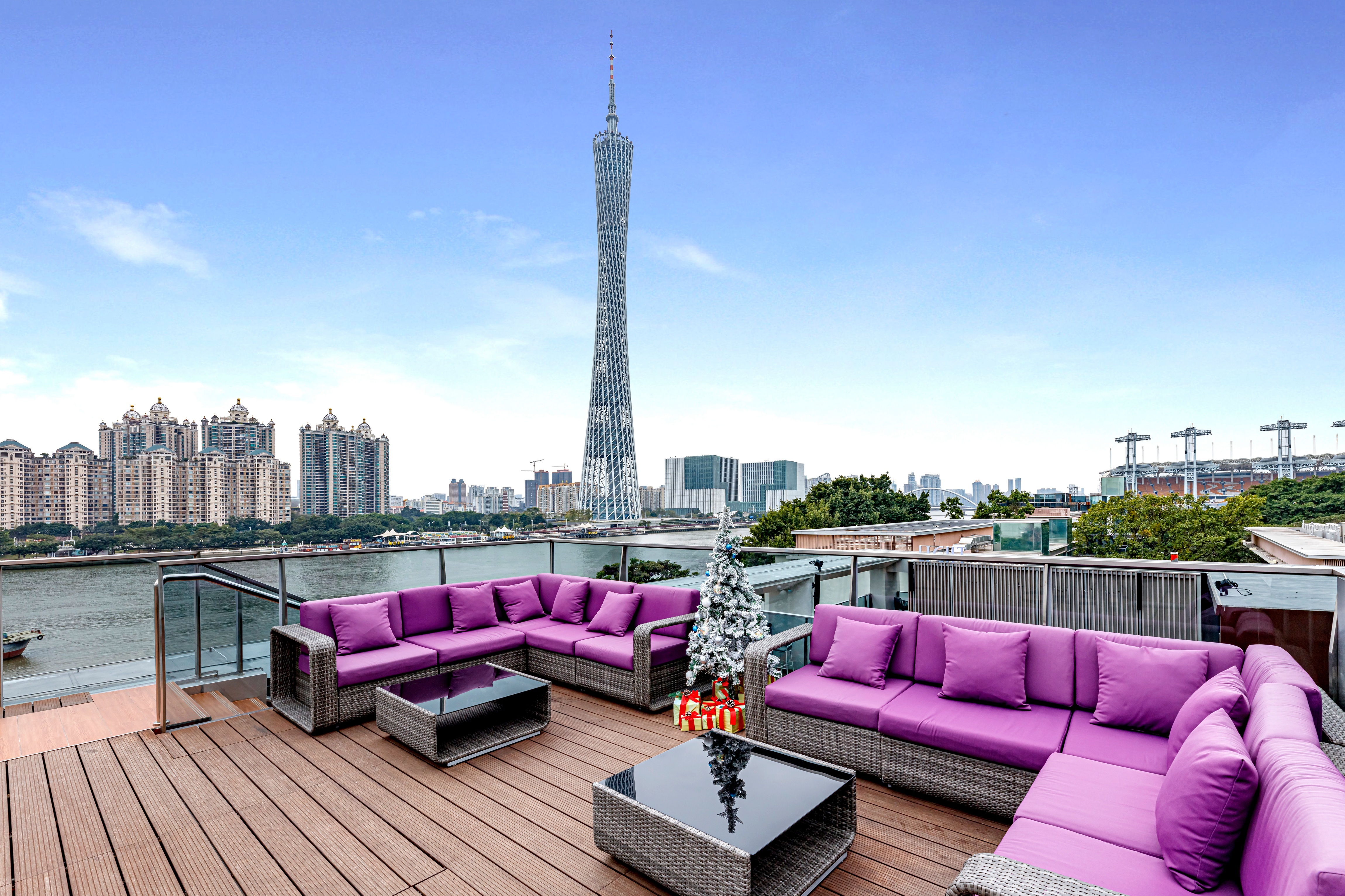
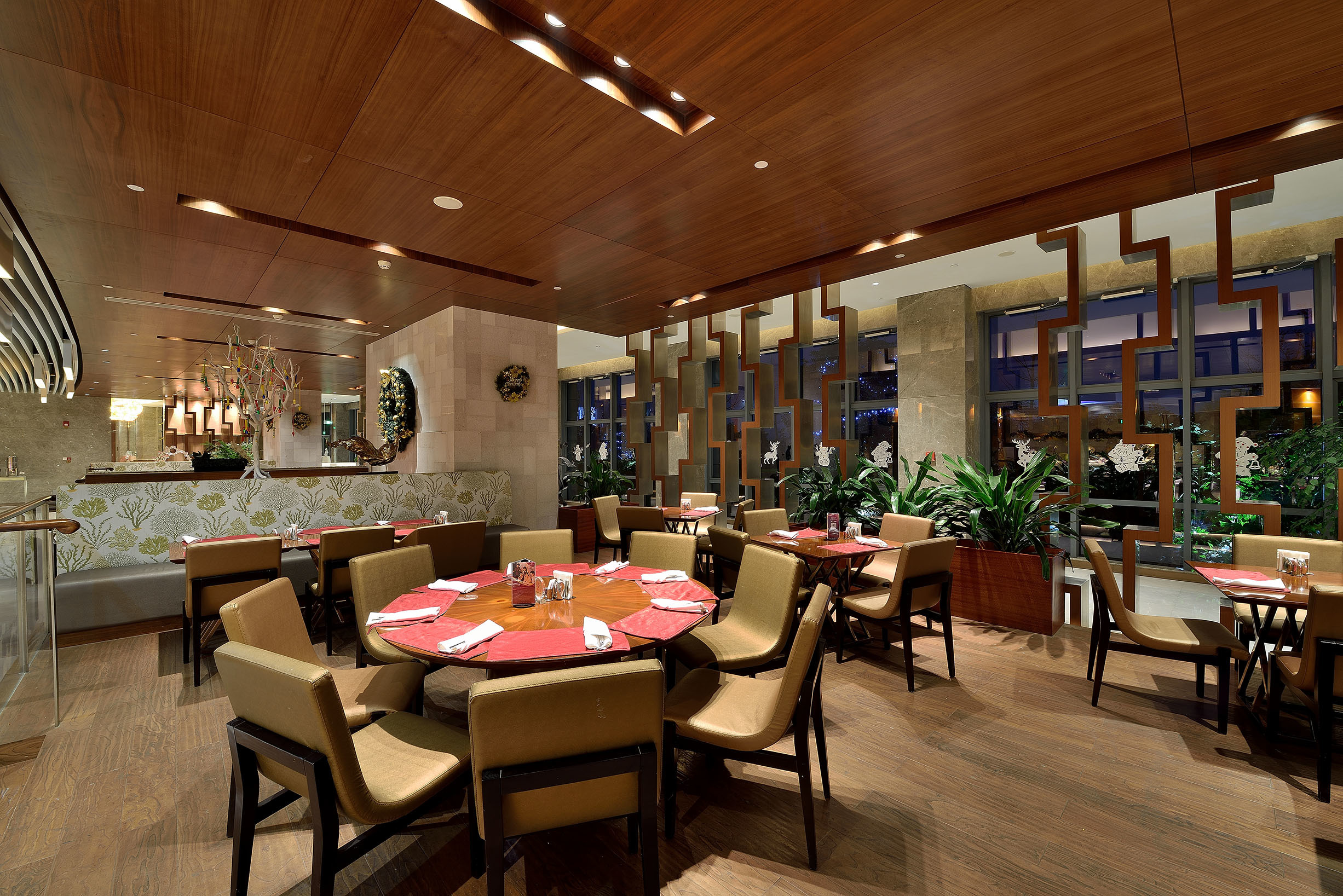
In furniture customization, it is particularly important to pay attention to the coordination with the overall design theme of the hotel. The shape, color, and decorative details of the furniture can be used to echo the hotel's theme. For example, a seaside hotel might incorporate marine elements into the furniture design, such as shell-shaped handles or wave-textured fabrics. In addition, details such as door handles, lamps, and table and chair lines should also be carefully considered to ensure the overall harmony and consistency of the environment.
5. Combine Humanization and Cultural Connotation
The matching of design styles is not limited to visual effects, but should also focus on the user experience and cultural connotation. Furniture design should follow ergonomic principles to ensure its comfort and practicality. At the same time, furniture can also incorporate local cultural elements to enhance the cultural atmosphere of the hotel, allowing guests to experience the unique cultural charm of the local area during their stay.
6. Continuous Evaluation and Feedback Adjustment
Finally, after the furniture is put into use, the hotel should continuously monitor guest feedback and evaluate whether the furniture design has truly achieved the expected results. The feedback obtained from this will not only help improve existing design schemes but also provide important reference for future furniture procurement and updates.
Conclusion
In the process of customized furniture procurement for star hotels, ensuring that the design style matches the brand image is a systematic and meticulous task. By clarifying brand positioning, collaborating with professional teams, grasping design trends, focusing on details and thematic design, and combining humanization and cultural connotation, star hotels can create an indoor environment that matches their brand characteristics. This not only enhances the overall brand image but also improves customer satisfaction and loyalty.
Online Message
*We will contact you as soon as possible after receiving your message!
Friendly Links: