



When selecting casual hospitality furniture, what factors should be prioritized to optimize space utilization?
Publish Time:
2024-11-13
In the modern business environment, the reception area is the first space to showcase a company's image and customer experience. A well-designed and aesthetically pleasing set of casual reception furniture can not only enhance a company's professional image but also provide visitors with a pleasant experience. When choosing furniture, optimizing space utilization is a crucial consideration. Here are some key factors to prioritize when selecting casual reception furniture.
Space Size and Layout
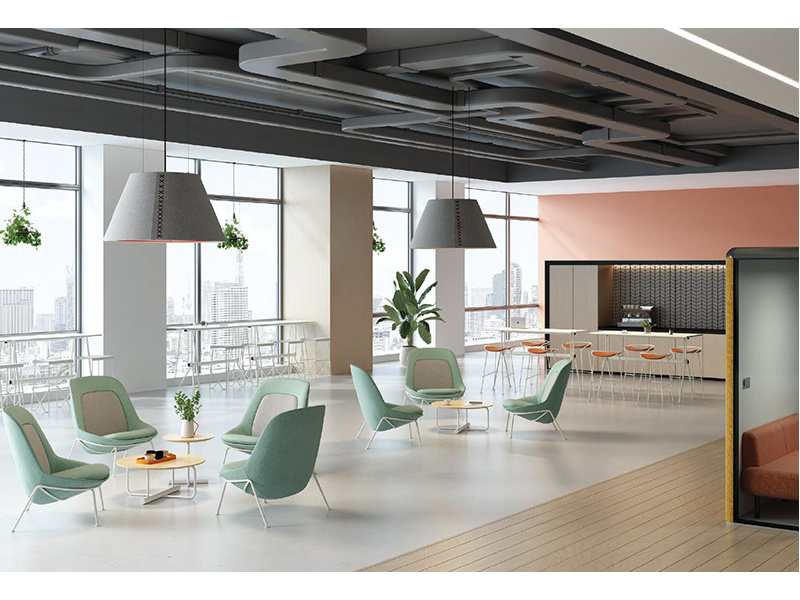
Before selecting furniture, it's essential to assess the actual size and layout of the reception area. Different space shapes and sizes will affect the types and placement of furniture. In smaller spaces, consider using multifunctional furniture, such as sofas or stools with storage, to make the most of limited space. Custom furniture may also be a solution, as it can be designed to meet the specific needs of the space, avoiding unnecessary waste.
Furniture Flexibility and Multifunctionality
Flexibility and multifunctionality are important strategies for optimizing reception area space utilization. Choosing furniture that can be easily moved and reconfigured helps the space adapt to different activities and needs. For example, modular sofas can be combined into different forms as needed, while foldable or stackable chairs offer greater freedom, facilitating easy switching of usage scenarios. Multifunctional furniture not only improves space utilization efficiency but also provides visitors with more flexible interaction options.
Comfort and Ergonomics
While space utilization is key, comfort and ergonomic design are equally important. Casual reception furniture should strike a balance between comfort and space efficiency. Ergonomically designed furniture provides visitors with good posture support and maintains a simple design without sacrificing comfort. Reasonable furniture dimensions and angles can save space while ensuring a comfortable experience for visitors.
Appropriate Color and Material Combinations
The choice of colors and materials will also affect the sensory use of space. Light colors and minimalist furniture designs usually make the space appear more open and bright. Choosing durable, easy-to-clean materials such as leather or high-quality synthetic fibers can reduce furniture maintenance needs, thus maintaining the long-term aesthetics of the reception area. Meanwhile, home-style or nature-inspired materials can give visitors a relaxed and comfortable feeling, making it easier to build rapport.
Brand Impression and Style Coordination
Finally, the style of casual reception furniture should coordinate with the company's brand image and overall decor. The furniture's design style should reflect the company's values and cultural characteristics, thereby enhancing brand recognition. For example, technology companies might choose modern, minimalist furniture, while creative companies might prefer more personalized and artistic designs. Consistent design enhances the overall aesthetics and professionalism of the reception area.
Conclusion
Optimizing the space utilization of casual reception furniture requires considering various factors, including space size, furniture flexibility, comfort, color matching, and brand coordination. Through careful selection and layout, the reception area can not only create a good first impression for visitors but also become an important window for showcasing corporate culture and brand image. Therefore, when choosing casual reception furniture, in addition to considering aesthetics, we should focus on how to achieve efficient space utilization to achieve a perfect balance between function and form.
Online Message
*We will contact you as soon as possible after receiving your message!
Friendly Links: