


How does furniture arrangement affect social interaction and atmosphere creation in the public areas of a five-star hotel?
Publish Time:
2024-11-08
Five-star hotels are not merely temporary accommodations; they are also important venues for travel, business, and social interaction. In the hotel's public areas, such as the lobby, bar, restaurant, and lounge, furniture arrangement is crucial. It not only affects the visual experience of guests but also directly impacts their interaction methods and the creation of the overall atmosphere.
1. Space Layout and Flow
Furniture layout directly affects the flow of people and social possibilities in hotel public areas.
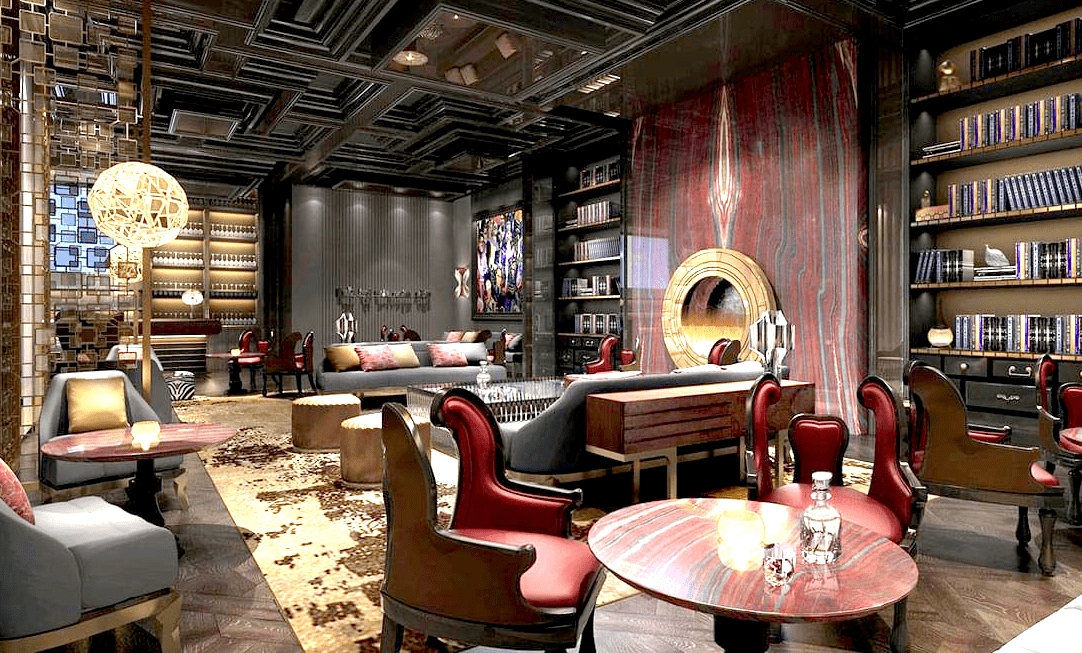
Open Layout: Open furniture arrangements can promote more natural contact and communication among people. For example, arranging seats and sofas in a semi-open or symmetrical structure to form small communication circles creates more opportunities for social interaction.
Traffic Flow Planning: Reasonable traffic flow design can guide guests to easily find where they want to go, reducing discomfort caused by crowding or getting lost. For example, appropriately arranging seats and tables to avoid obstructing main walkways.
2. Atmosphere Creation and Sensory Experience
The style and materials of furniture greatly influence the atmosphere and sensory experience of public areas.
Materials and Colors: Soft materials and tones can create a warm and comfortable atmosphere, while metal or glass materials combined with neutral tones can convey modernity and luxury. Through the combination of different materials and colors, the temperature and overall impression of the area can be adjusted.
Lighting and Furniture Combination: Lighting is also an important element in creating atmosphere. Combining lighting fixtures with furniture design can emphasize specific areas or highlight certain furniture details, such as using spotlights to highlight art decorations, making the entire space more vivid.
3. Balance of Privacy and Openness
Public areas need to strike a balance between privacy and openness to meet the needs of different guests.
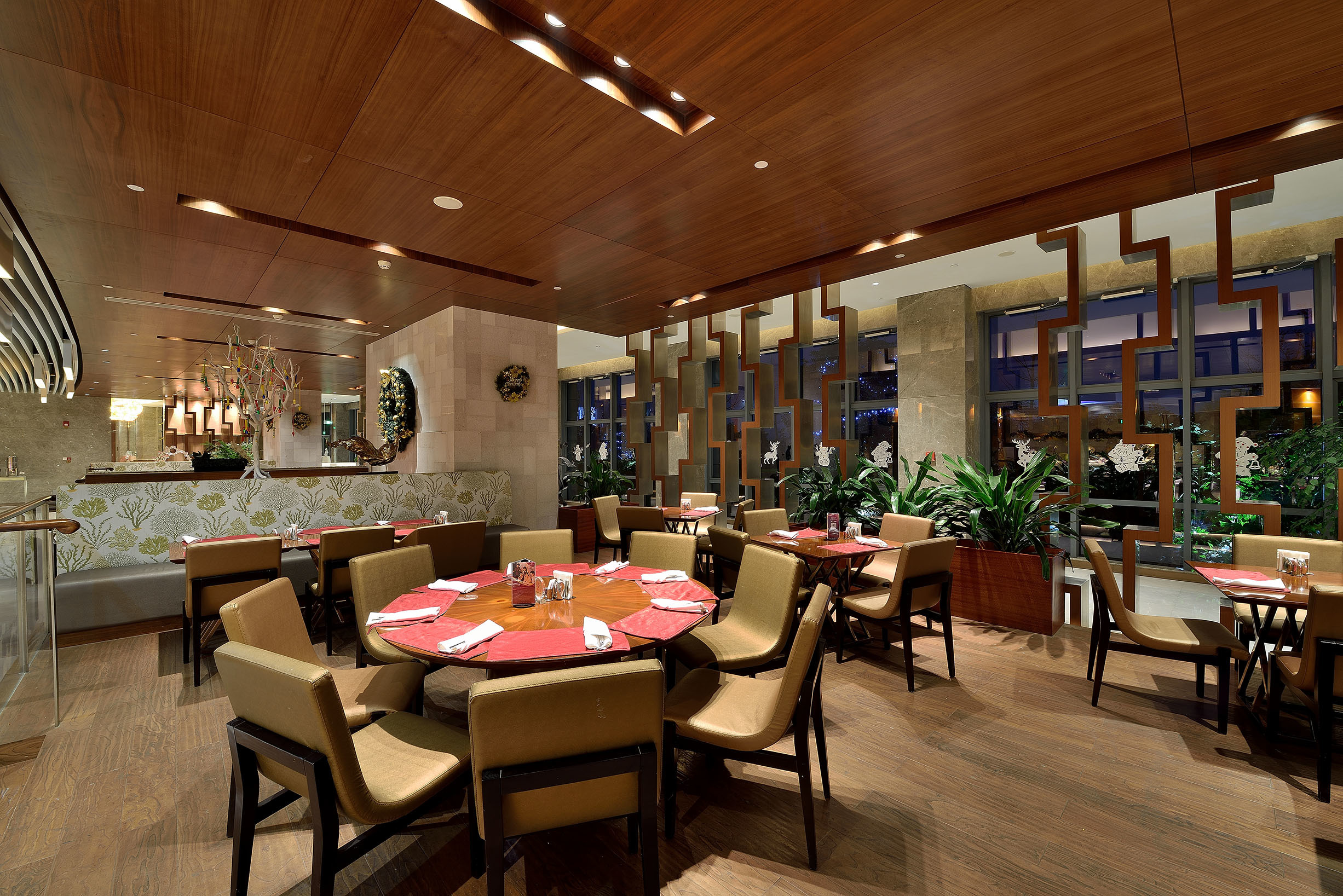
Screens and Partitions: Using furniture such as screens or bookshelves to create semi-open spaces maintains a degree of privacy without completely isolating the possibility of guest interaction. This allows guests to enjoy personal space while also being able to join larger social activities when needed.
Multifunctional Furniture: Using flexible, multifunctional furniture, such as movable screens and adjustable-height tables and chairs, can quickly adapt to the needs of different occasions, such as business meetings, casual socializing, and special events. This ensures privacy while also allowing open use of space.
4. Cultural Themes and Brand Characteristics
Furniture arrangement also needs to reflect the hotel's brand image and cultural themes.
Incorporating Cultural Elements: Incorporating local cultural elements into furniture design allows international travelers to experience unique regional characteristics. This can be achieved through carvings, fabric patterns, and art displays.
Brand Consistency: Ensuring that the style and design of the furniture are consistent with the hotel's brand image conveys professional and consistent service standards, thereby enhancing customer brand recognition.
Conclusion
Furniture arrangement plays a vital role in the public areas of five-star hotels. It not only affects guests' comfort and visual experience but also directly impacts the frequency and quality of social interaction. Through reasonable layout, appropriate material and style choices, and clever combination of cultural and brand elements, hotels can maximize the functionality and attractiveness of public areas, creating a unique and memorable experience for guests.
Online Message
*We will contact you as soon as possible after receiving your message!
Friendly Links: