



How can medical furniture improve the safety and comfort of elderly living spaces?
Publish Time:
2024-11-08
With the increasing aging population, improving the quality of life for the elderly has become a focus of social concern. Medical and elderly care furniture plays an important role in this. Medical and elderly care furniture Specifically designed to meet the needs of the elderly and their care, it combines medical and care functions. So, how exactly does medical and elderly care furniture improve the safety and comfort of the elderly's living space? This article will explore this in depth.
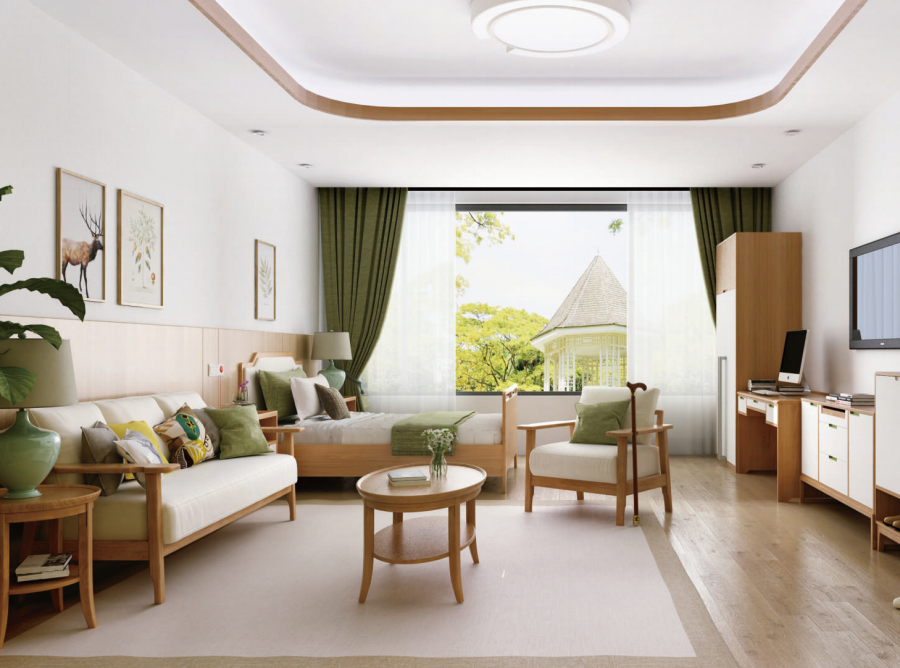
1. Enhancing Safety
Safety is one of the most important considerations when designing medical and elderly care furniture, as the elderly, due to declining physical functions, have weaker adaptability to the external environment. Here are several ways medical and elderly care furniture enhances safety:
Anti-slip design: Using anti-slip materials on the floor or furniture surface to reduce the risk of falls and slips. For example, frequently used areas by the elderly, such as beside the bed and in the bathroom, can be equipped with anti-slip carpets or mats.
Rounded furniture edges: To avoid injuries from collisions, most medical and elderly care furniture uses rounded edges. This design reduces accidental injuries while maintaining a stylish appearance.
Height adjustable function: Many medical and elderly care furniture pieces, such as beds and chairs, are designed with height adjustment functions to help the elderly easily stand up or sit down, reducing the risk of falls.
Intelligent monitoring technology: Some medical and elderly care furniture incorporates intelligent monitoring systems that can monitor health indicators such as heart rate and breathing in real time. When abnormal conditions are detected, the system immediately issues an alert for timely intervention.
2. Enhancing Comfort
In addition to safety, improving the comfort of the elderly's living environment is also a key goal of medical and elderly care furniture design. Through humanized design, medical and elderly care furniture provides a more comfortable living experience for the elderly:
Ergonomic design: Medical and elderly care furniture fully considers the physical changes of the elderly and adopts an ergonomic design. For example, lumbar support, seat angle, and mattress firmness are carefully adjusted to provide optimal support and comfort.
Temperature and humidity adjustment function: Some advanced medical and elderly care furniture has temperature and humidity adjustment functions. This design helps to provide a pleasant living environment for the elderly, especially in areas with changeable weather.
Ease of operation: Simplifying the furniture's operating interface so that the elderly can easily use it. For example, electric lift beds equipped with large buttons or simple remote controls allow the elderly to adjust the bed more conveniently.
Emotional design: Furniture designs featuring soft colors and comfortable materials can create a warm home atmosphere, bringing emotional comfort to the elderly.
Conclusion
Medical and elderly care furniture plays an irreplaceable role in improving the safety and comfort of the elderly's living space. Through innovative design and the application of intelligent technology, this furniture not only meets the physiological needs of the elderly but also cares for their psychological and emotional needs. In the future, with the advancement of technology and the intensification of the aging problem, the medical and elderly care furniture market will usher in greater development opportunities. We also look forward to the emergence of more humanized and intelligent products to meet the growing needs.
Online Message
*We will contact you as soon as possible after receiving your message!
Friendly Links: