


Why do different office desks and chairs have different manufacturing processes?
Publish Time:
2024-11-08
In the office furniture market, Office desks and chairs there is a wide variety of choices, ranging from minimalist styles to luxurious custom designs, each with its own unique characteristics. These pieces of furniture have different design and functional features, and the manufacturing processes involved are also different. So, why do different office desks and chairs require different manufacturing processes? Here are some key reasons:
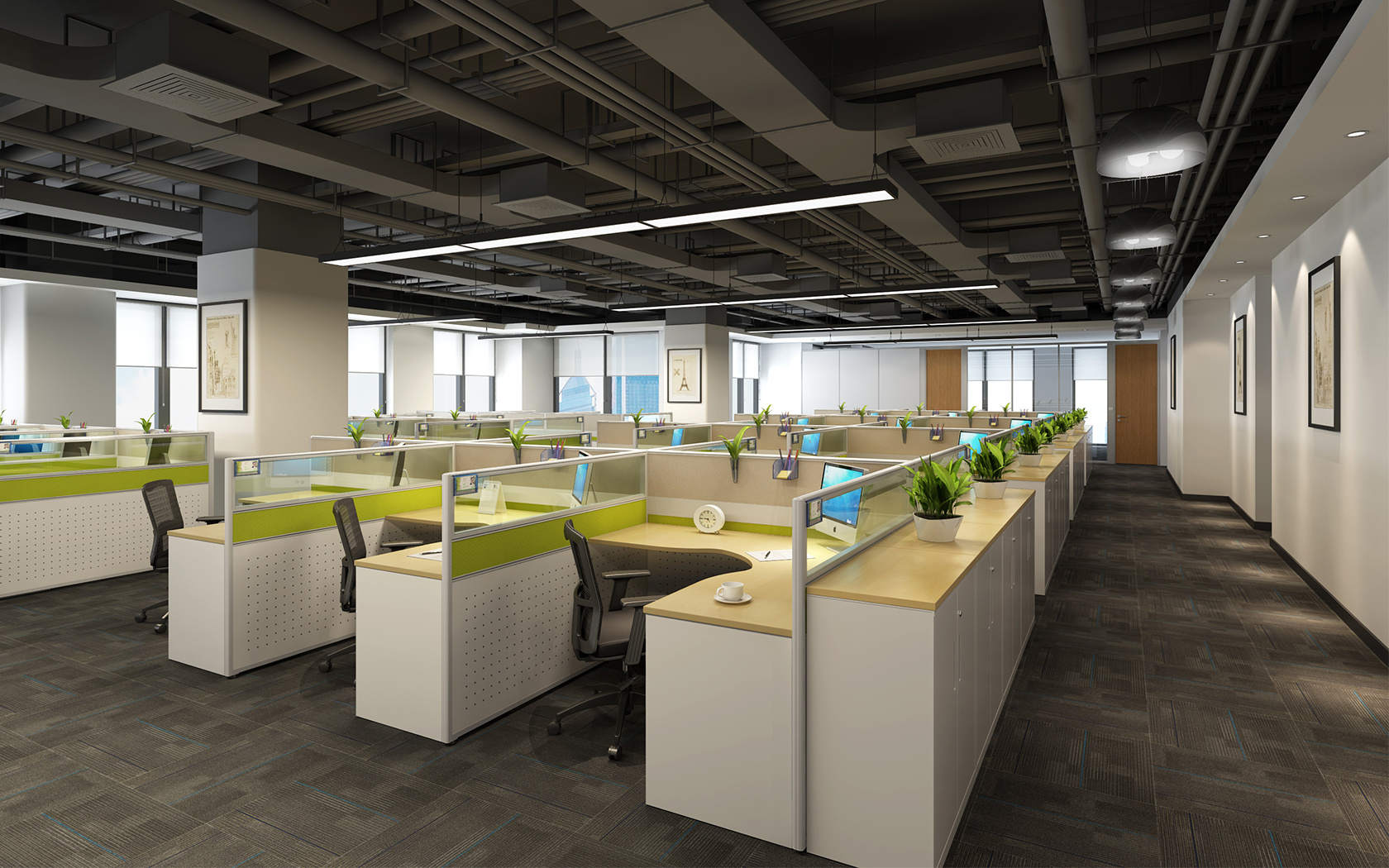
1. Diversity of design and function
The design of office desks and chairs usually takes into account different functional needs. For example, some desks and chairs may need to be designed as folding types for use in small spaces; while others may need cable management systems on the desktop to simplify the workspace. These differences in function and design directly affect the manufacturing process. For example, a desktop with cable management may require complex drilling and wiring design, while folding furniture requires specialized hinges and connectors.
2. Differences in material selection
Different office desks and chairs may use different materials such as wood, metal, plastic, and glass. Each material has different physical and chemical properties, so different processing methods are required. For example, wooden furniture may require fine carving and splicing techniques, while metal furniture may require welding and surface treatment. Plastic products are usually molded, while glass components require professional cutting and edge grinding.
3. Market positioning and target users
The market positioning and target customers of office desks and chairs are also important factors in determining their manufacturing processes. The high-end market usually prefers well-designed furniture with exquisite materials, so it requires highly complex manufacturing processes and more human involvement. For example, hand polishing, custom carvings, and complex splicing processes, while products for the mass market are more inclined to mass production, requiring more efficient and automated processes to reduce costs.
4. Cultural and aesthetic differences
Different regions and cultures have different aesthetic standards for furniture, which leads to changes in manufacturing processes. For example, Scandinavian-style furniture pursues simplicity and functionality, so the design and manufacturing focus more on the simplicity of lines and the practicality of the structure, while oriental classical-style furniture may pay more attention to the complexity of the craftsmanship and decorative carvings.
5. Environmental protection and sustainability requirements
With the increasing awareness of environmental protection, different manufacturers may also adopt different environmentally friendly materials and processes. This includes using water-based coatings, renewable materials, and reducing waste by optimizing production processes. Such environmental requirements usually require adjustments or even innovations to traditional manufacturing processes.
Conclusion
In summary, the diversification of the manufacturing processes of office desks and chairs is due to the need to adapt to different design needs, functional features, material properties, market positioning, cultural aesthetics, and environmental requirements. This diversity not only meets the needs of different consumers but also enriches the choices in the furniture market. When choosing office desks and chairs, users can understand these differences in craftsmanship based on their actual needs to make more informed decisions.
Online Message
*We will contact you as soon as possible after receiving your message!
Friendly Links: