



How can medical furniture meet stringent hygiene standards while also incorporating aesthetic and user-friendly design?
Publish Time:
2024-11-07
In the modern medical environment, the selection and design of furniture play an extremely important role. It must not only meet strict hygiene standards but also incorporate aesthetic and user-friendly designs. This requirement balances functionality and aesthetics, creating a more comfortable and efficient environment for medical staff and patients.
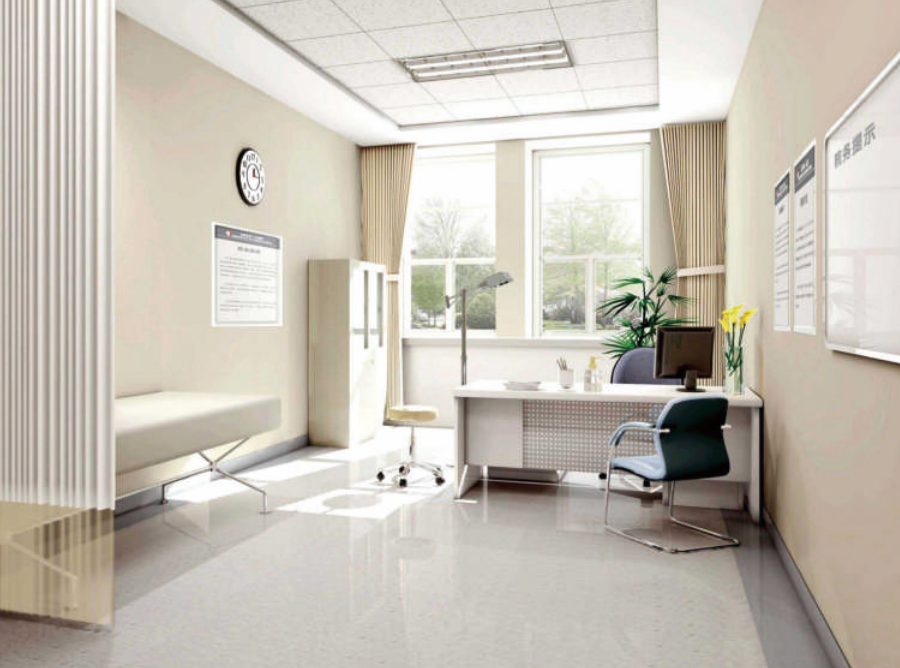
Meeting Strict Hygiene Standards
The medical environment has extremely high hygiene requirements. Any minor hygiene risks can pose a threat to the health of patients and staff. Therefore, medical furniture must use materials that are easy to clean and disinfect. Common choices include stainless steel, plastic, and treated wood, materials that not only resist common disinfectants but also have anti-corrosion and antibacterial properties.
In addition, the design of medical furniture should minimize gaps and seams to prevent the accumulation of dust and germs. Furniture with a modular design, due to its detachable and replaceable components, is easier to thoroughly disinfect and maintain.
Aesthetics and User-Friendly Design
Although functionality and hygiene standards are the primary considerations in the design of medical furniture, aesthetics and user-friendly design are equally important. Aesthetic design helps improve the psychological state of patients and their families in the medical environment, alleviates tension, and provides a pleasant workspace for medical staff.
Color and Materials
Color plays a key role in the design of medical furniture. Gentle, natural tones can create a soothing and relaxing atmosphere, reducing patient anxiety. In terms of material selection, in addition to meeting hygiene requirements, materials with soft textures and modern appearances can be considered, making the furniture not only practical but also elegant.
Ergonomics
User-friendly design requires furniture to provide excellent comfort and convenience. Ergonomically designed furniture, such as adjustable height beds and chairs, not only improves patient comfort but also facilitates medical staff operations. Furniture designs that cater to different body types and needs can be widely applied to various usage scenarios.
Modularity and Flexibility
Modular design and multifunctional furniture provide solutions for the ever-changing medical environment. Through flexible configuration, furniture can quickly adapt to different medical needs, such as transitioning from routine checkups to emergency treatment. At the same time, modular design facilitates repair, replacement, and cleaning, further improving the furniture's lifespan and overall efficiency.
Conclusion
Successfully balancing strict hygiene standards, aesthetics, and user-friendly design in medical furniture design is a multifaceted challenge. By selecting appropriate materials, colors, and structural designs, hospitals and clinics can provide a safe, hygienic, and aesthetically pleasing environment for patients and medical staff. Such design strategies not only contribute to improved treatment outcomes and work efficiency but also enhance the overall medical experience, demonstrating care and respect for people.
Online Message
*We will contact you as soon as possible after receiving your message!
Friendly Links: