



What processes are needed for custom furniture in a six-star hotel?
Publish Time:
2024-11-06
As a symbol of luxury and sophistication, six-star hotels require exquisite craftsmanship and meticulous design for their custom furniture. These high-end hotels have extremely high demands for their furniture, not only in functionality but also in aesthetics and uniqueness. The following are some key processes involved in the customization of six-star hotel furniture.
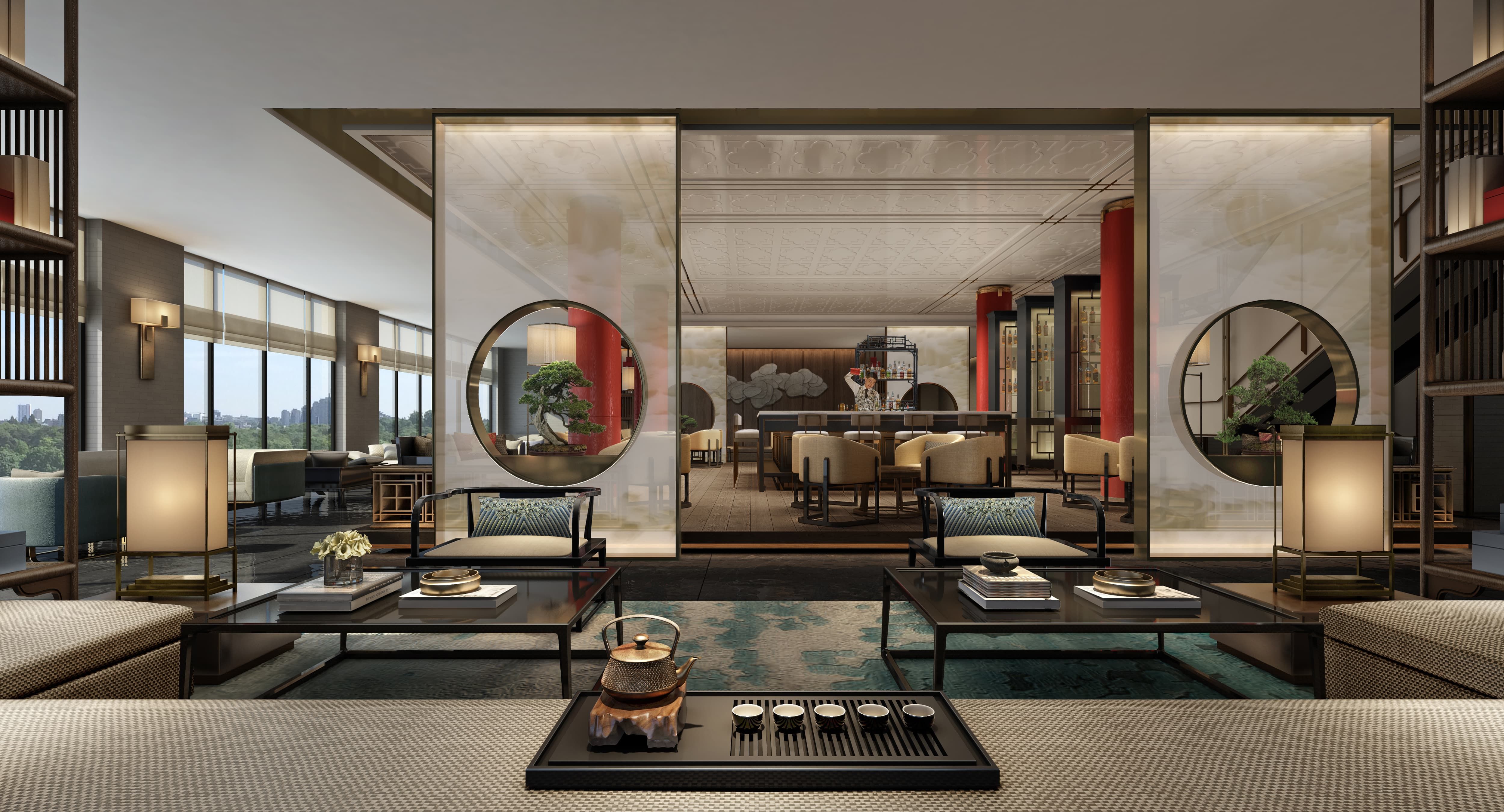
1. Material Selection Process
High-quality material selection:
Solid wood and precious woods: such as walnut, mahogany, and teak, used for the main structural parts of the furniture, emphasizing natural texture and high-end feel.
High-quality metals and glass: such as stainless steel, bronze, and tempered glass, often used for decorative and supporting parts, enhancing the overall design.
High-grade fabrics and leather: such as imported Italian leather and French cashmere, used for sofas, chairs, and bedding, adding a luxurious feel and comfort.
2. Design Process
High-end design concept:
Personalized design: Based on the hotel's overall design concept and brand style, providing unique furniture designs to highlight the hotel's uniqueness and luxurious atmosphere.
Attention to detail: Every piece of furniture pays attention to detail in the design phase, ensuring the realization of complex decorative patterns and exquisite carvings.
3. Manufacturing Process
Fine processing and technological innovation:
Hand carving and inlay: Using traditional hand carving and inlay techniques to add artistic taste and cultural connotation to the furniture.
Bentwood process: Using steam bending or lamination techniques to achieve beautiful curves in the furniture structure and decoration.
Precision processing: Using CNC machine tools for precise cutting, improving processing accuracy and consistency.
4. Surface Treatment Process
Advanced surface treatment:
Painting and coating: Using high-gloss or matte environmentally friendly paint for multi-layer coating, enhancing the surface's wear resistance and aesthetics.
Metal plating: Applying gold, silver, or copper plating to the metal surface to enhance its high-end texture and corrosion resistance.
Special decorative treatment: such as wire drawing, antique finishing, etc., to add a unique visual effect to the furniture.
5. Assembly and Installation Process
Precision assembly and acceptance:
Modular design and assembly: Ensuring easy transportation and installation of furniture while maintaining the overall structural aesthetics.
Quality inspection and acceptance: Multiple quality checks are carried out before leaving the factory to ensure that every detail meets six-star standards.
6. Environmental Protection Process
Green manufacturing practices:
Using environmentally friendly paints and adhesives to reduce the release of harmful substances and ensure safe indoor air quality.
Using sustainable materials and energy-efficient production technologies to reflect the hotel's social responsibility and environmental awareness.
Conclusion
Customizing six-star hotel furniture requires a fusion of traditional craftsmanship and modern technology. By selecting fine materials, innovative design, and precision manufacturing, it creates a luxurious and comfortable environment for guests. These processes require both exquisite craftsmanship and artistic aesthetics, ultimately producing flawless and uniquely styled furniture. By implementing high-standard manufacturing processes and environmentally friendly production practices, six-star hotels can provide an exceptional guest experience, further solidifying their leading position in the luxury hotel market.
Online Message
*We will contact you as soon as possible after receiving your message!
Friendly Links: