


Creating a comfortable office environment: The importance of carefully selected office desks and chairs
Publish Time:
2024-08-08
In the modern workplace, the quality of the office environment directly impacts employee work efficiency and physical and mental health. As the most basic and crucial furniture in the office—office desks and chairs—their selection and design are not only related to the rational use of space but are also closely linked to employee comfort, work efficiency, and even job satisfaction. This article will explore how to select office desks and chairs from several key aspects to create a comfortable office environment.
I. Ergonomic Design: The Foundation of Healthy Work
Ergonomically designed office desks and chairs are standard in modern office furniture. This design fully considers the characteristics of the human body structure. By adjusting the height, tilt angle, and support points of the desk and chair, it allows the human body to maintain a natural and relaxed state even when sitting for extended periods, reducing pressure on the spine, neck, and wrists. For example, a height-adjustable office chair can ensure that feet are flat on the ground and knees are bent at a 90-degree angle, with good back support, according to the needs of employees of different heights; while a chair back design that conforms to the human body curve can effectively disperse back pressure and prevent lower back pain caused by prolonged work.
II. Material and Durability: A Guarantee of Quality Life
The material of office desks and chairs not only affects the user experience but also directly relates to their durability and environmental friendliness. Office desks and chairs usually use high-density board or solid wood as the main frame, with a wear-resistant and easy-to-clean material on the surface, such as environmentally friendly paint or fabric. This material combination not only ensures the stability and durability of the desks and chairs but also effectively resists scratches and wear and tear during daily use. At the same time, choosing environmentally friendly materials is also an important trend in modern office furniture, helping to reduce indoor air pollution and protect employee health.
III. Multi-functionality and Flexibility: Adapting to Changing Work Needs
With the increasingly flexible work styles, office desks and chairs also need to have more functions and flexibility. For example, office desks with storage functions can help employees organize documents, stationery, and other items, keeping the desktop clean and tidy; while rotating or wheeled office chairs allow employees to move freely within the office, improving work efficiency. In addition, some office desks and chairs are also equipped with intelligent adjustment systems, such as electric lifting and memory functions, further improving ease of use and comfort.
IV. Space Layout and Aesthetics: Creating a Harmonious Office Environment
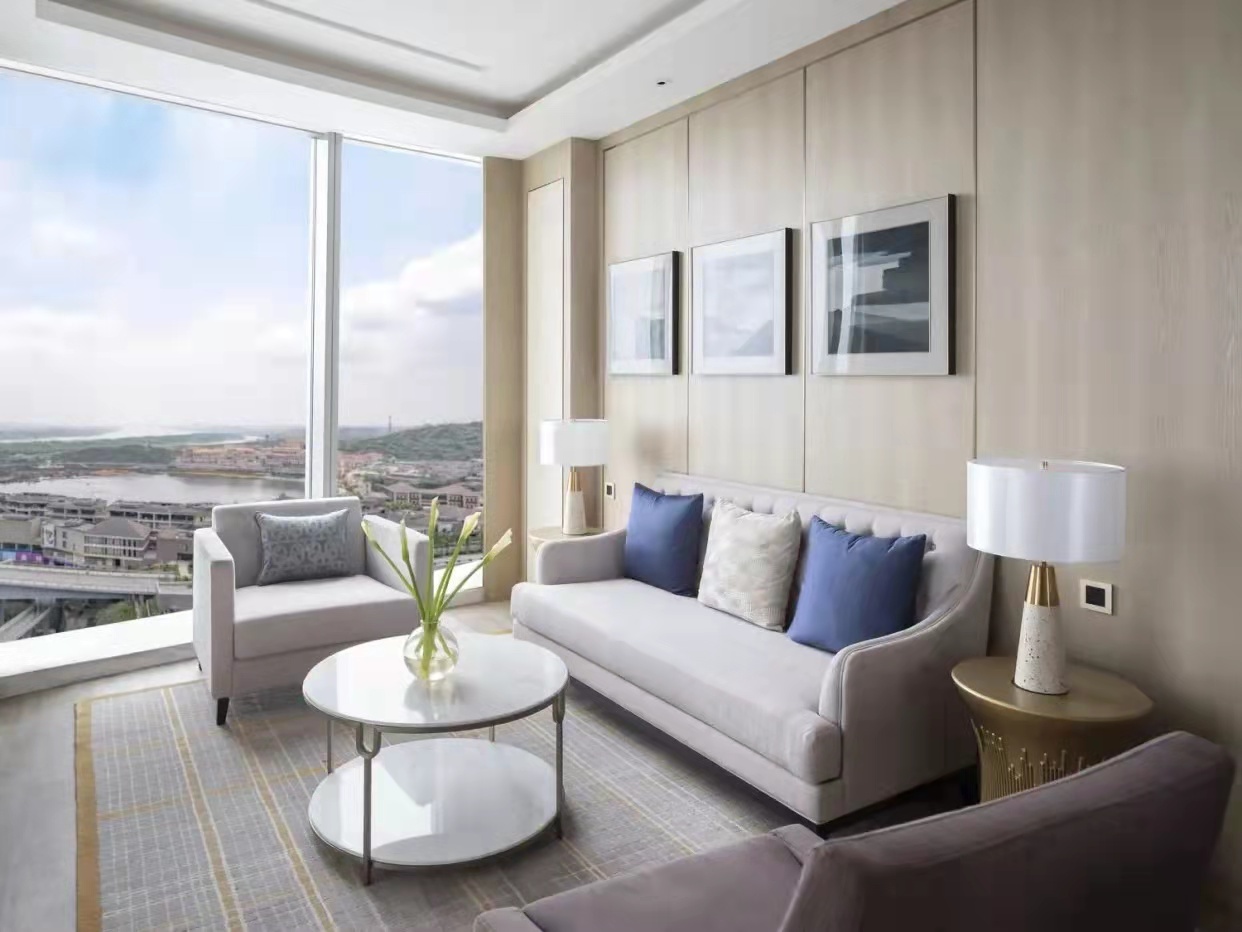
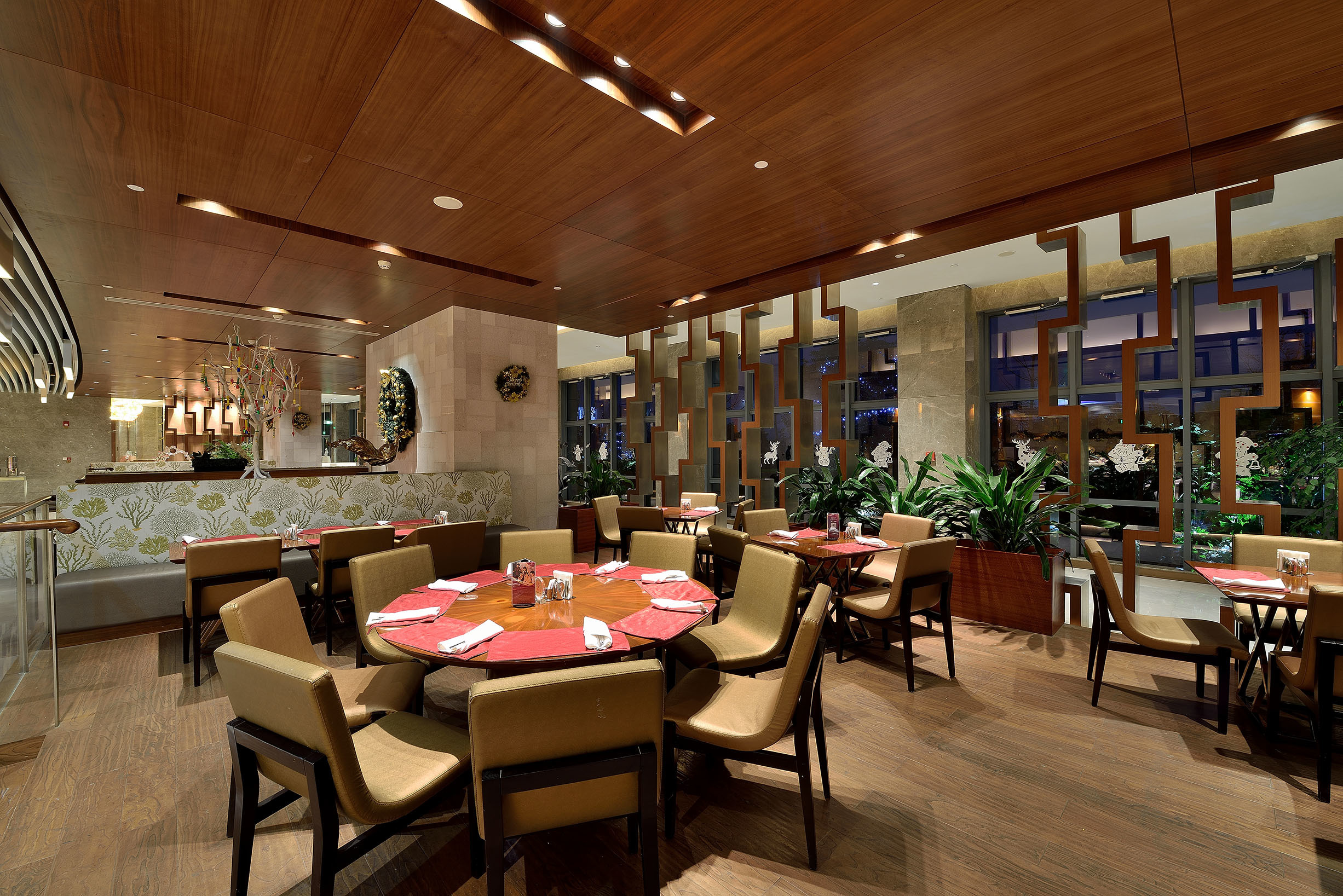
The selection of office desks and chairs should also consider the overall office space layout and aesthetic design. Reasonable space planning can ensure that each employee has sufficient personal space and passage space, avoiding crowding and interference. At the same time, the appearance, color, and style of office desks and chairs should also coordinate with the overall decoration style of the office, creating a harmonious and beautiful visual effect. A beautiful and comfortable office environment can not only improve employee work enthusiasm but also enhance the company's image and cultural atmosphere.
In short, selecting office desks and chairs is an important step in creating a comfortable office environment. By focusing on ergonomic design, material and durability, multi-functionality and flexibility, and space layout and aesthetics, we can provide employees with a healthy office space and help companies achieve even more brilliant achievements.
Online Message
*We will contact you as soon as possible after receiving your message!
Friendly Links: