


What are the typical furniture items found in a school?
Publish Time:
2024-11-04
School Furniture It is an important part of the educational environment, affecting not only students' learning experience but also the smooth progress of teaching activities. Understanding the types and functions of common school furniture can help schools better plan and optimize their teaching spaces. Below are some common categories and brief descriptions of common school furniture.
1. Classroom Furniture
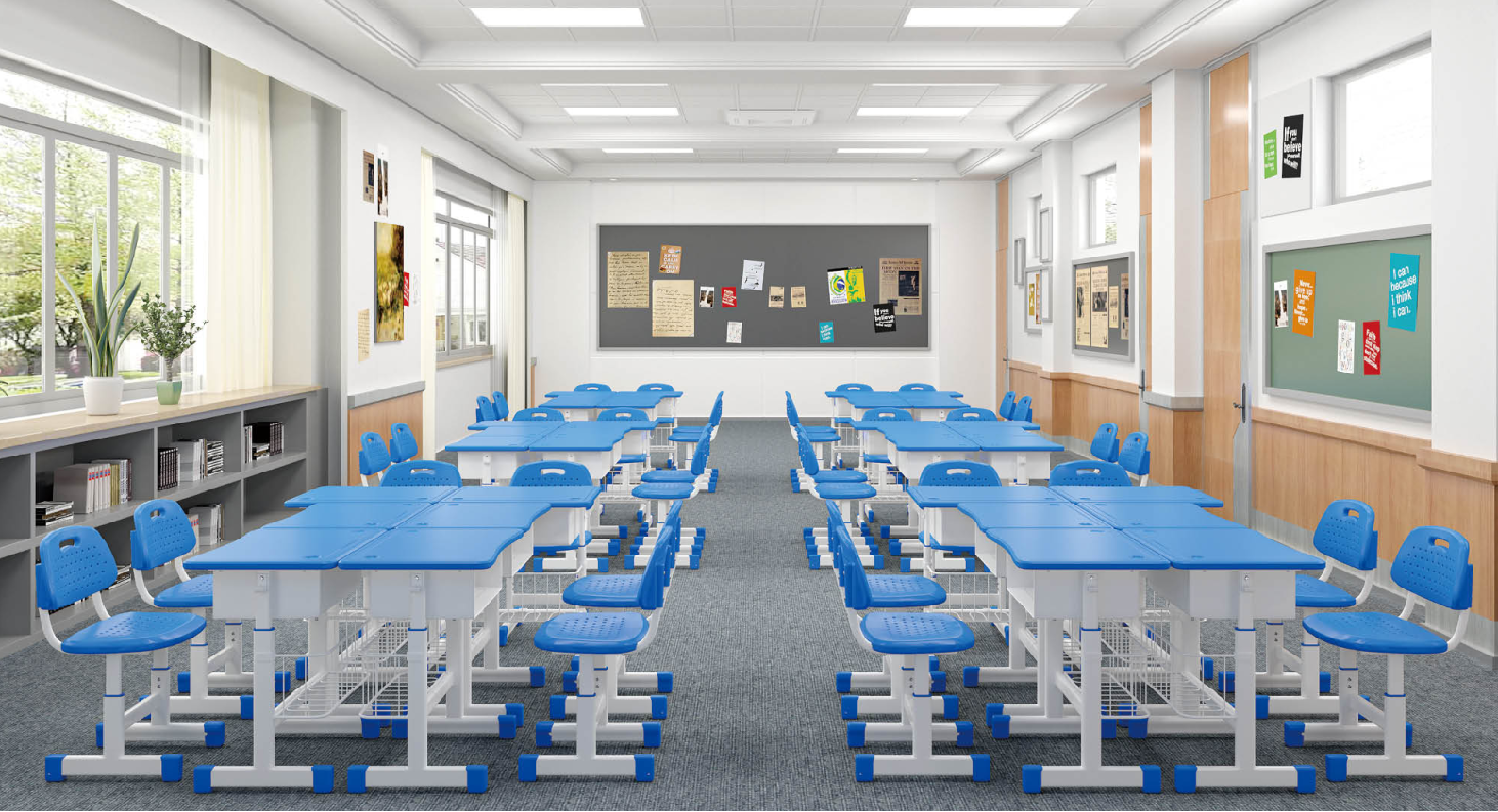
Desks and chairs: Desks and chairs are the most basic furniture in a classroom, usually paired together. Modern desks and chairs emphasize ergonomics to provide a comfortable learning posture and often have adjustable features to suit the needs of students of different ages.
Teacher's desk and chair: The teacher's desk and chair are generally more spacious and equipped with storage drawers or cabinets to provide teachers with ample space for teaching preparation and daily office work.
Writing board/whiteboard: Whiteboards or blackboards are indispensable teaching tools in the classroom, used to display teaching content and facilitate interactive discussions.
Storage cabinets: Used for storing textbooks, assignments, and learning materials, keeping the classroom clean and tidy.
2. Laboratory Furniture
Laboratory benches: Laboratory benches are usually chemically resistant, heat-resistant, and waterproof, specifically designed for scientific experiments. They may be equipped with sinks, power outlets, etc.
Laboratory stools: Unlike ordinary classroom chairs, the design of laboratory stools needs to consider the special needs of the laboratory, such as adjustable height and durability of materials.
Storage cabinets and safety equipment: Used to store experimental equipment and chemicals to ensure the safety and cleanliness of the laboratory.
3. Library Furniture
Reading desks and chairs: Spacious and comfortable, suitable for long periods of reading and studying. The design of library desks and chairs generally considers the need for a quiet environment.
Bookshelves: Bookshelves of different specifications are used to store various books, magazines, and materials.
Computer workstations: Provide students with access to digital learning resources. Furniture design needs to consider electricity, network connections, and personal space.
4. Dormitory Furniture
Beds and mattresses: Durable and ergonomic, usually designed as bunk beds or single beds to save space.
Desk and chair: For students to complete homework or study in the dormitory, usually small and practical.
Storage cabinets and wardrobes: Used for storing personal belongings and clothing, requiring high durability and security.
5. Office and Public Area Furniture
Executive desks and chairs: More formal in style, often used in the office areas of school administrators, equipped with storage drawers and bookcases.
Meeting desks and chairs: Used for various school meetings and discussions, usually designed to be expandable or modular to adapt to the needs of different scales of activities.
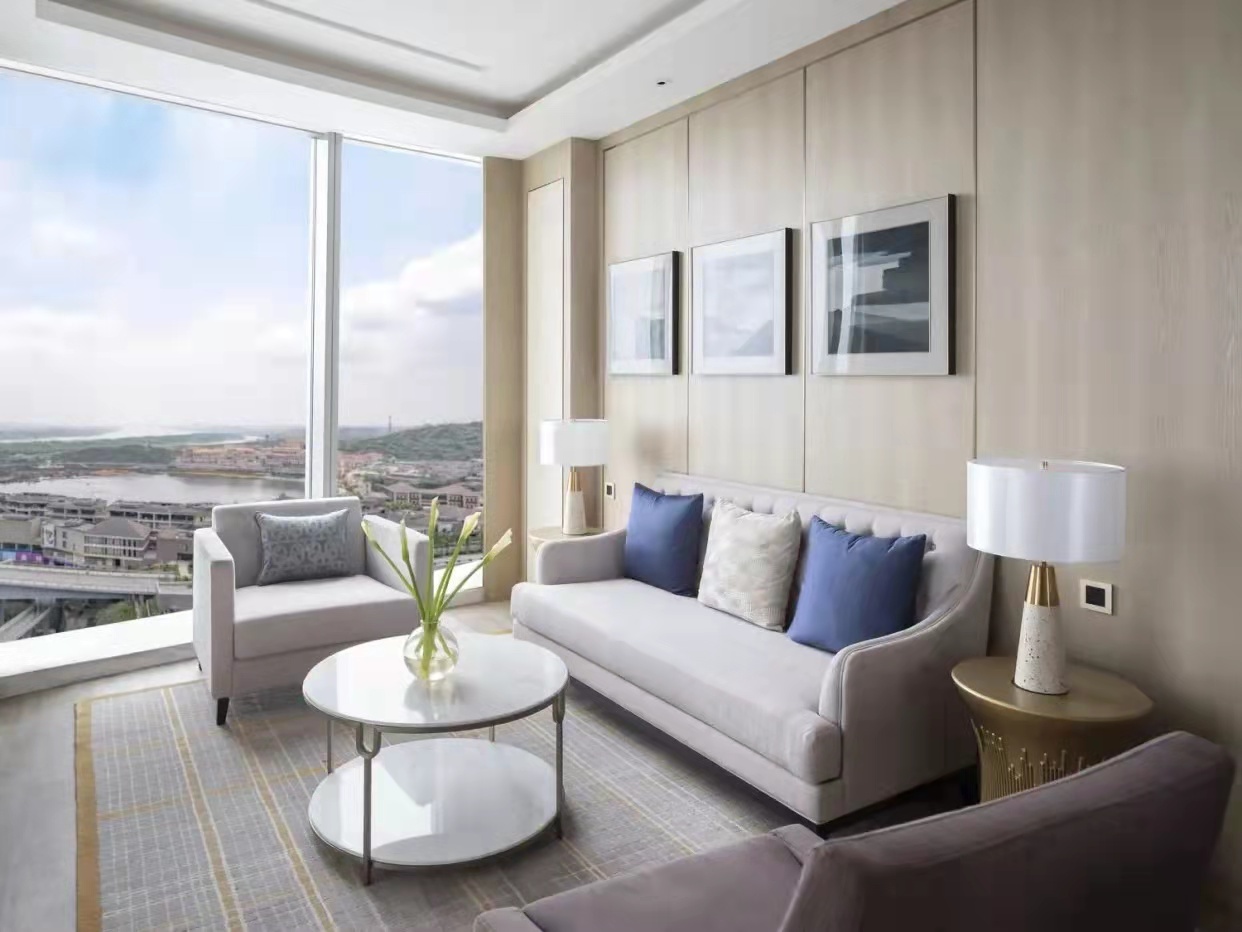
Rest area furniture: Includes sofas, coffee tables, etc., providing students and staff with a comfortable rest and social space.
Conclusion
Common school furniture is not just part of the interior decoration, but also directly affects students' learning efficiency and overall teaching effectiveness. By reasonably selecting and configuring this furniture, schools can create a learning environment conducive to students' physical and mental development. The design and selection of furniture in different spaces should be guided by functionality, comfort, and durability to ensure that the needs of daily school teaching and management work are met.
Online Message
*We will contact you as soon as possible after receiving your message!
Friendly Links: