



What kinds of commercial project furniture are there?
Publish Time:
2024-11-04
Commercial Contract Furniture Refers to furniture specifically designed and customized for commercial spaces, typically used to support specific business functions and environments. This type of furniture is widely used in various commercial applications such as offices, hotels, restaurants, and retail stores. Its design and function directly affect the efficiency, aesthetics, and customer experience of the commercial environment. Below are some of the main types and characteristics of commercial contract furniture.

1. Office Furniture
Workstations and modular office systems: This furniture aims to maximize the utilization of office space while providing flexible configurations to adapt to the needs of teamwork and individual work. The modular design allows companies to easily reorganize and expand space as needed.
Meeting system furniture: Includes conference tables, chairs, whiteboards, and integrated audio-visual equipment systems. This furniture supports efficient meetings, emphasizing practicality and interactivity.
Storage systems: Includes filing cabinets, bookshelves, mobile storage units, etc. The design emphasizes safety, convenience, and space saving to meet the storage needs of office documents and personal belongings.
2. Hotel Furniture
Guest room furniture: Furniture specifically designed for hotel rooms, including beds, bedside tables, wardrobes, desks, and chairs, focusing on comfort and durability, while matching the overall design style of the hotel.
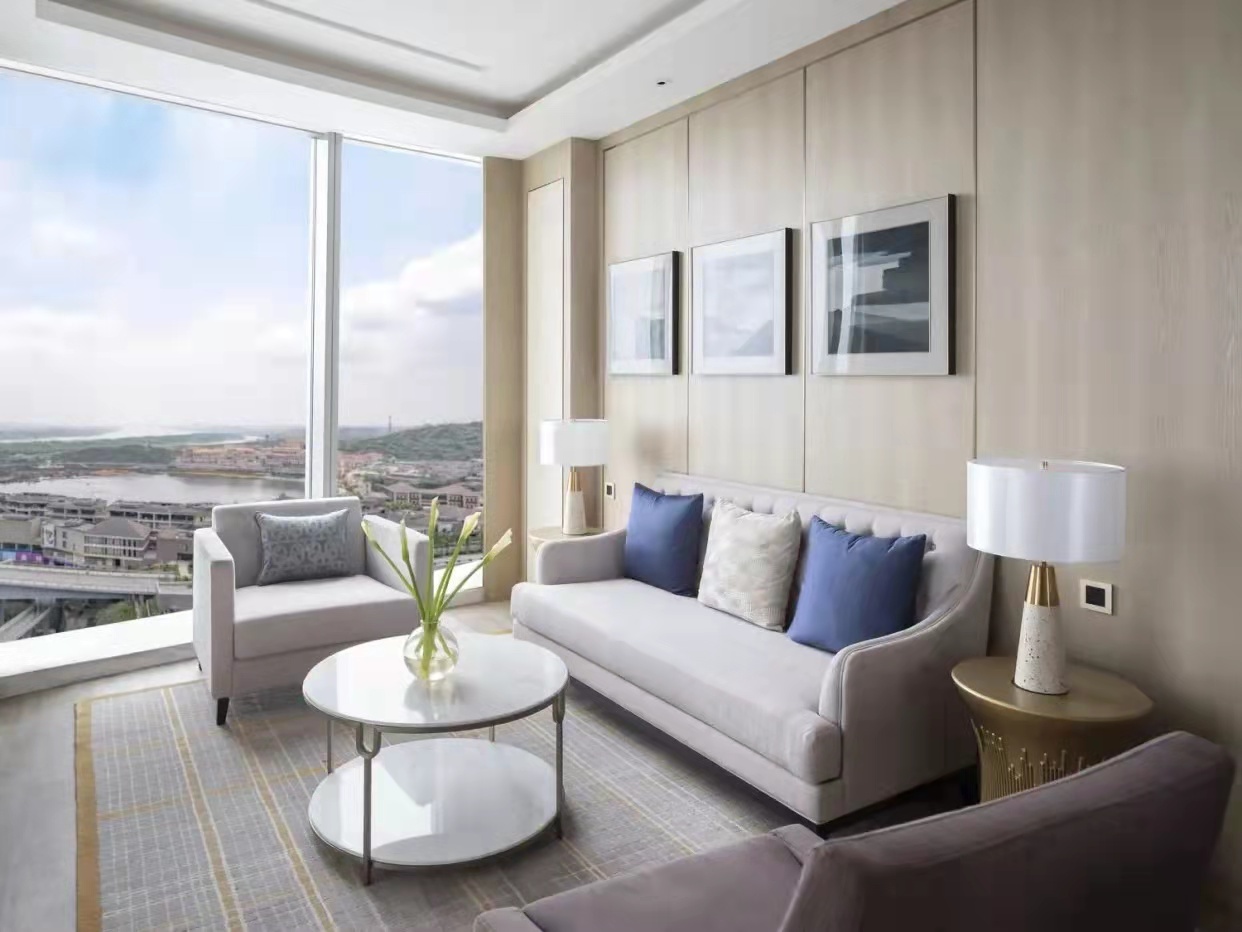
Lobby and public area furniture: Such as sofas, lounge chairs, coffee tables, etc., used in lobbies, corridors, and public rest areas. This type of furniture must not only be beautiful and generous, but also easy to clean and maintain.
Banquet and conference furniture: Used in multi-functional meeting and banquet halls of hotels, including foldable banquet tables, banquet chairs, movable partitions, and audio-visual equipment, requiring flexible and versatile configuration capabilities to meet the needs of different types of events.
3. Restaurant Furniture
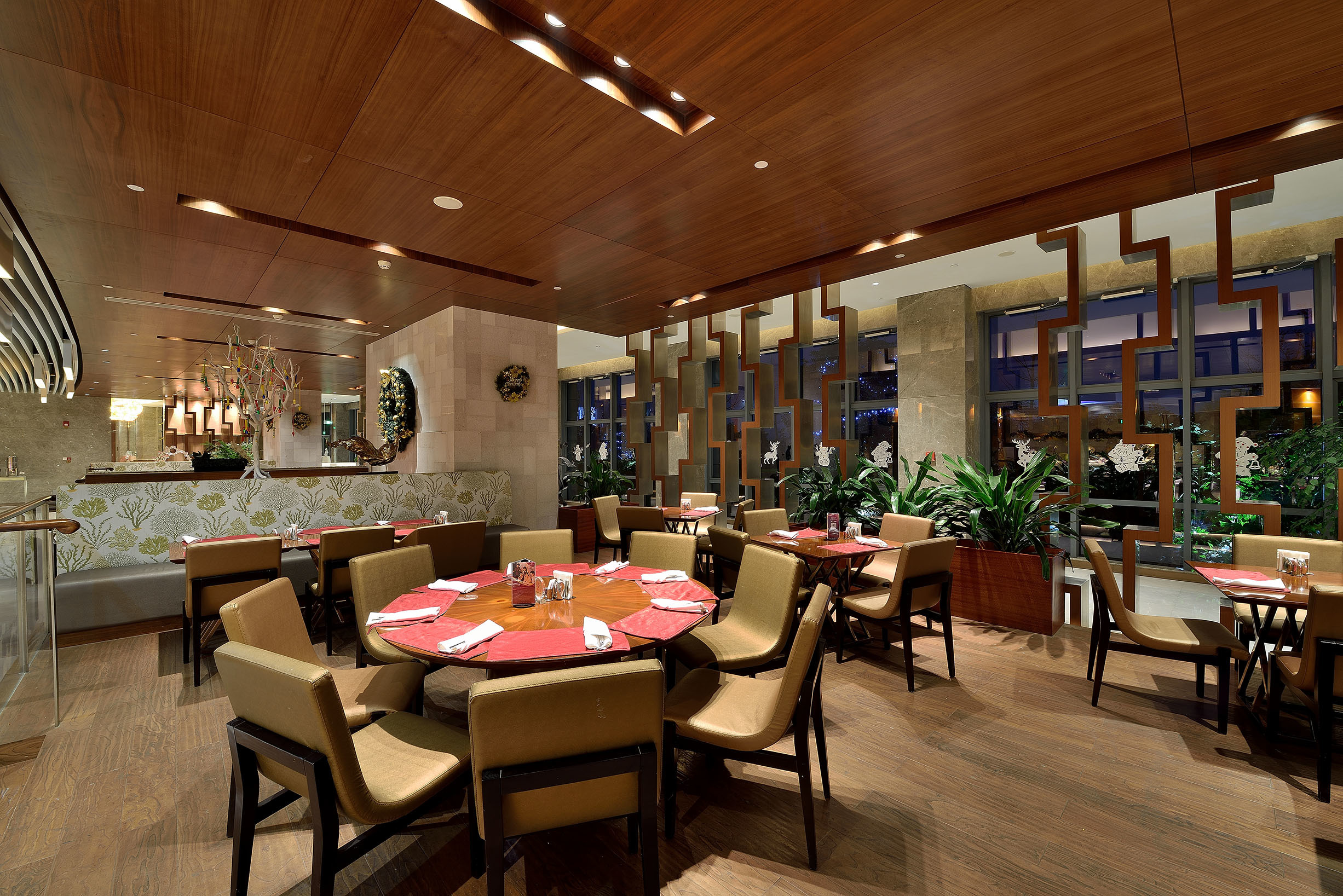
Restaurant seating and tables: The design of this furniture should conform to the theme and atmosphere of the restaurant, often using easy-to-clean and wear-resistant materials, while focusing on customer comfort.
Bars and bar stools: Used to create a relaxed and pleasant atmosphere, usually located in the leisure areas of restaurants and bars, the design needs to be durable and suitable for social interaction.
Kitchen and service counter systems: Used to support the back-end operation of the restaurant, including workbenches, storage racks, refrigeration equipment, etc., requiring high functionality and hygiene standards.
4. Retail Furniture
Display racks and display cabinets: Used for product display and presentation, the design emphasizes the visibility and attractiveness of the products, while being convenient for customers to access.
Cashier counters and terminal service counters: Support efficient customer service and settlement processes, requiring a design that combines security and convenience.
Customer rest area furniture: Such as sofas, chairs, and children's play facilities, to enhance the customer shopping experience and service level.
Conclusion
Commercial contract furniture should not only meet functional needs, but also fit the characteristics and themes of the commercial environment in design. To achieve the best results, the selection of this furniture needs to fully consider multiple factors such as space layout, user needs, material properties, budget constraints, and brand image. High-quality commercial contract furniture plays a key role in creating an efficient and comfortable commercial environment, improving customer satisfaction, and strengthening brand competitiveness.
Online Message
*We will contact you as soon as possible after receiving your message!
Friendly Links: