



How does the design of restaurant tables and chairs affect the dining experience?
Publish Time:
2024-10-30
The dining experience in a restaurant depends not only on delicious food and pleasant service, but also on the environment design. The design of tables and chairs significantly impacts customer comfort and overall experience. This article will explore Restaurant tables and chairs several key aspects of the design and how they affect diners' feelings.
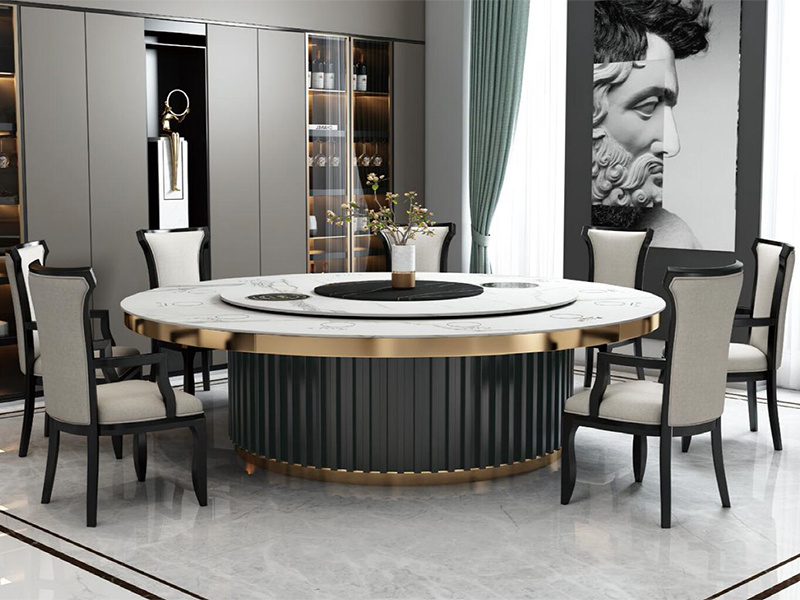
1. Comfort and Ergonomics
The comfort of restaurant tables and chairs is the primary factor affecting the dining experience. Ergonomic design ensures that customers maintain good posture during meals, avoiding fatigue or discomfort. The height of the chair and the distance from the table should be just right to ensure that the arms are naturally bent and comfortably placed. For example, the backrest should support the natural curve of the spine, and the seat cushion should have appropriate softness and support.
2. Space Layout and Flow
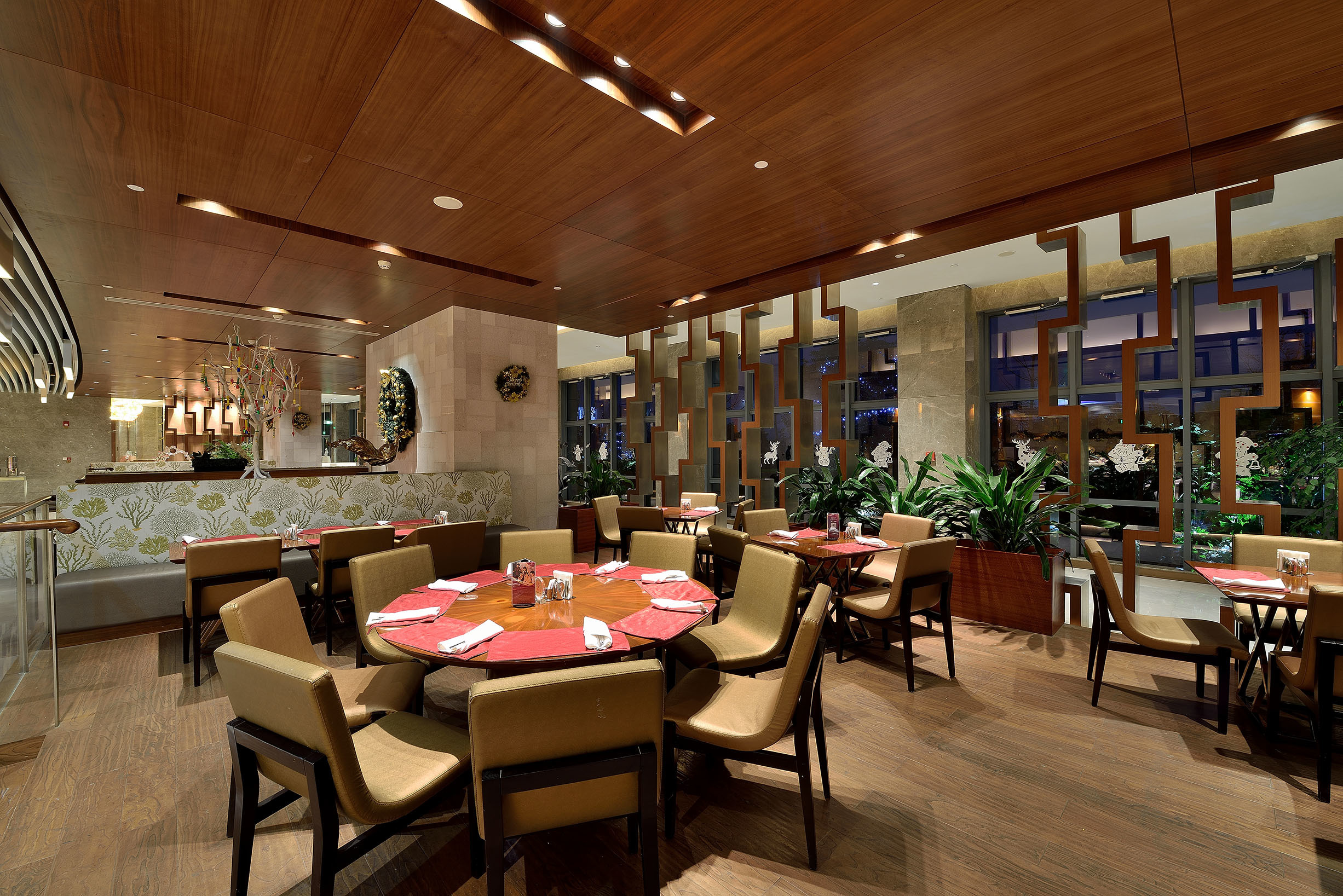
The design and layout of tables and chairs directly affect the restaurant's space utilization and flow. A reasonable layout facilitates the movement of customers and service staff, reducing congestion and waiting time. At the same time, combinations of tables and chairs of different shapes and sizes can enhance the flexibility of the space to meet various dining needs. For example, round tables promote communication and are suitable for group dining, while square tables are suitable for couples or small families.
3. Aesthetic Value and Atmosphere Creation
The appearance and materials of tables and chairs have a significant impact on the overall aesthetics of the restaurant. Different styles of restaurants require matching table and chair designs to create a coordinated visual effect. For example, modern restaurants may choose simple metal and glass combinations, while traditional restaurants may use wooden furniture to enhance a warm feeling. Color and detail matching also directly affects customers' psychological feelings, creating different atmospheres for dining.
4. Functionality and Diversity
Functional table and chair designs can enhance the dining experience. For example, versatile folding chairs or expandable tables can be flexibly adjusted according to different customer traffic. In addition, table and chair designs with storage functions can provide convenience for customers, especially in smaller spaces, helping to keep the table clean.
5. Sound Control and Privacy
Table and chair design also affects the sound effects and privacy of the dining environment. Chairs and tables made of sound-absorbing materials can reduce restaurant noise and improve customer communication. Appropriate partitions not only provide a certain degree of privacy but also enhance customer comfort.
In summary, the design of restaurant tables and chairs plays an indispensable role in enhancing the dining experience. By focusing on comfort, space layout, aesthetic value, functionality, and environmental control, restaurants can create a comfortable and pleasant dining environment for customers, thereby improving overall satisfaction and loyalty.
Online Message
*We will contact you as soon as possible after receiving your message!
Friendly Links: