



Medical furniture requires consideration of multiple factors.
Publish Time:
2024-10-29
Medical Furniture Plays a crucial role in hospitals, clinics, and other healthcare facilities. It not only directly impacts patient comfort and recovery experience but also significantly affects medical staff efficiency and the hygiene and safety of the healthcare environment. Therefore, selecting and configuring appropriate medical furniture requires consideration of multiple factors.
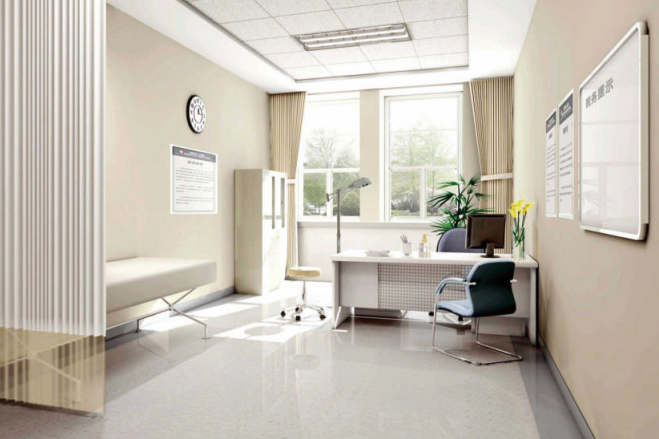
1. Functionality and Comfort
The primary function of medical furniture is to support medical workflows and patient care. Whether it's hospital beds, operating tables, or waiting room chairs, functional design should ensure the safety and convenience of both patients and medical staff. For example, hospital beds should have adjustable height and angle functions to facilitate staff operation and patient access. At the same time, the furniture design should fully consider comfort, especially during prolonged use. For example, waiting room chairs should have ergonomic designs to reduce patient stress and discomfort.
2. Durability and Hygiene
The special nature of the medical environment requires furniture to have extremely high durability to withstand heavy use and frequent cleaning. Medical furniture materials must be antibacterial, easy to clean, and wear-resistant to maintain a hygienic environment and prevent the spread of infection. For example, stainless steel and antibacterial plastics are often used in medical furniture design because they are easy to maintain and durable.
3. Safety and Stability
Medical facilities have strict safety requirements for furniture. All furniture should be structurally stable to prevent accidental tipping or wobbling, which is particularly important for equipment involving moving patients. In addition, the design of the furniture should avoid sharp corners and exposed parts to reduce the risk of accidental injury. Locking devices and anti-slip functions should also be fully equipped, especially in busy areas and active care settings.
4. Flexibility and Adaptability
With the continuous development of medical technology, medical furniture needs to maintain a certain degree of flexibility and adaptability to meet different medical needs and environmental changes. Modular furniture and mobile equipment support the reconfiguration of medical facilities, helping to optimize space utilization and improve service efficiency. Flexible design also helps hospitals cope with public health emergencies and changes in patient volume.
5. Aesthetics and Psychological Support
Medical environments often give a cold and depressing feeling, while well-designed medical furniture can alleviate these negative effects. Through the clever use of color and materials, furniture can convey a warm and relaxing atmosphere, easing patient anxiety and improving their medical experience. This not only has a positive impact on patients' emotions but also improves overall satisfaction and recovery outcomes.
6. Supplier Selection and After-Sales Service
Choosing a reputable supplier is also an important factor in ensuring the quality of medical furniture. By choosing experienced suppliers who provide comprehensive after-sales service, hospitals can ensure they receive compliant products and receive timely support and maintenance during daily operations.
Conclusion
The design and selection of medical furniture play a crucial role in modern medical institutions. Its quality and applicability are directly related to the quality of patient care and the efficiency of medical staff. By focusing on functionality, durability, safety, flexibility, and aesthetics, medical institutions can create a more humane and efficient treatment environment for patients. Appropriate medical furniture is not just a choice of equipment, but also a reflection of care and responsibility for patients and medical staff.

Online Message
*We will contact you as soon as possible after receiving your message!
Friendly Links: