



Designer's perspective: How to balance aesthetics and practicality when designing furniture for a five-star hotel?
Publish Time:
2024-10-28
In design Five-star hotel furniture One of the biggest challenges designers face is finding the perfect balance between aesthetics and practicality. Here are some strategies to help designers succeed in achieving this goal.
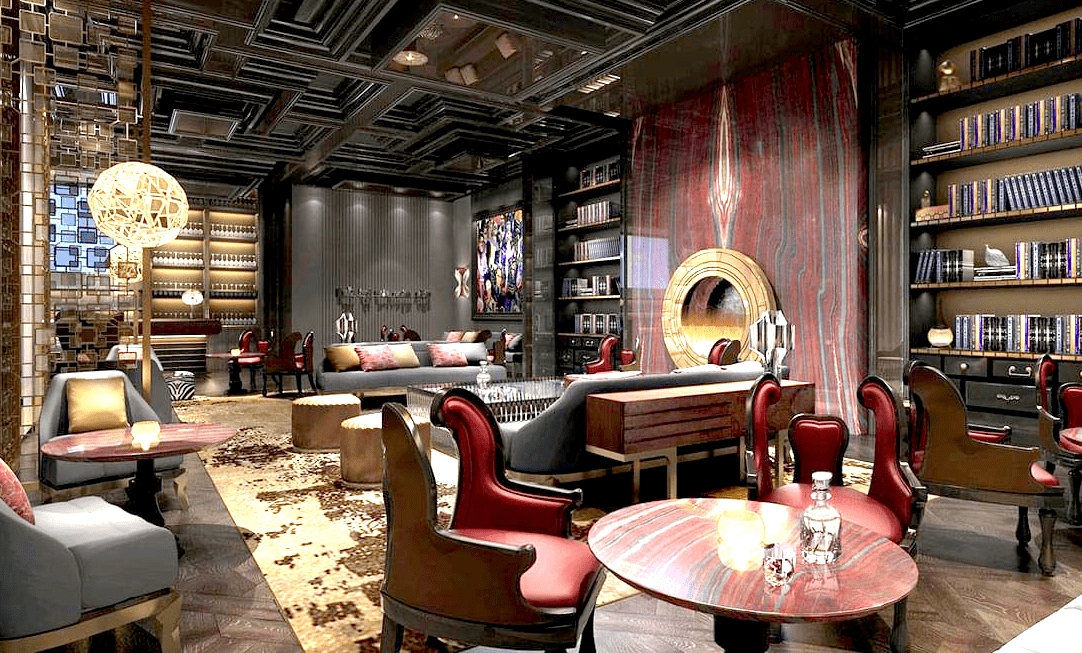
1. In-depth understanding of hotel brand and positioning
First, designers need to thoroughly understand the hotel's brand positioning and target customer base. This will help designers make design choices in terms of style and function that are in line with the brand's characteristics. For example, business hotels may require simple but functional furniture, while resort hotels may require more decorative and comfortable furniture.
2. The fusion of aesthetics and function
The perfect fusion of aesthetics and function is the core goal of design. Designers can choose designs that are innovative in functionality, such as multifunctional furniture, which saves space and enhances aesthetics. In addition, by using high-quality materials, designers can ensure that the furniture is durable while maintaining its appearance.
3. Attention to detail and craftsmanship
Excellent design often lies in the attention to detail. Through exquisite craftsmanship and delicate decorative details, designers can add a unique charm to the furniture. At the same time, considering the high-frequency use of hotel furniture, ensuring the durability of every detail is also the key to successful design.
4. Ergonomic design
Ergonomics is a key factor in improving the practicality of furniture. Designers should consider the comfort and user experience of guests, ensuring that the furniture is not only beautiful but also conforms to people's usage habits. For example, the height of the seat, the layout of the table space, etc., all need to be carefully designed to meet ergonomic standards.
5. Flexibility and sustainability
Modern hotels are increasingly emphasizing sustainability. Designers can choose environmentally friendly materials and sustainable design strategies to make furniture more environmentally friendly. In addition, flexible furniture design can be adjusted and combined according to different usage scenarios, which can also improve flexibility and practicality.
Conclusion
When designing five-star hotel furniture, balancing aesthetics and practicality requires designers to consider multiple aspects such as aesthetics, function, details, and engineering. Through brand understanding, innovative functional design, attention to craftsmanship details, attention to ergonomics, and the pursuit of sustainability, designers can create furniture that is both visually appealing and practical and durable. This not only meets the functional needs of guests but also adds a unique style and appeal to the hotel.
Online Message
*We will contact you as soon as possible after receiving your message!
Friendly Links: