



How can ergonomically designed commercial office furniture improve employee health and productivity?
Publish Time:
2024-10-24
In the modern office environment, employee health and work efficiency have become key factors in a company's success. By reasonably selecting and configuring ergonomic Commercial Office Furniture ,companies can not only improve employee health, but also significantly improve productivity and work efficiency.
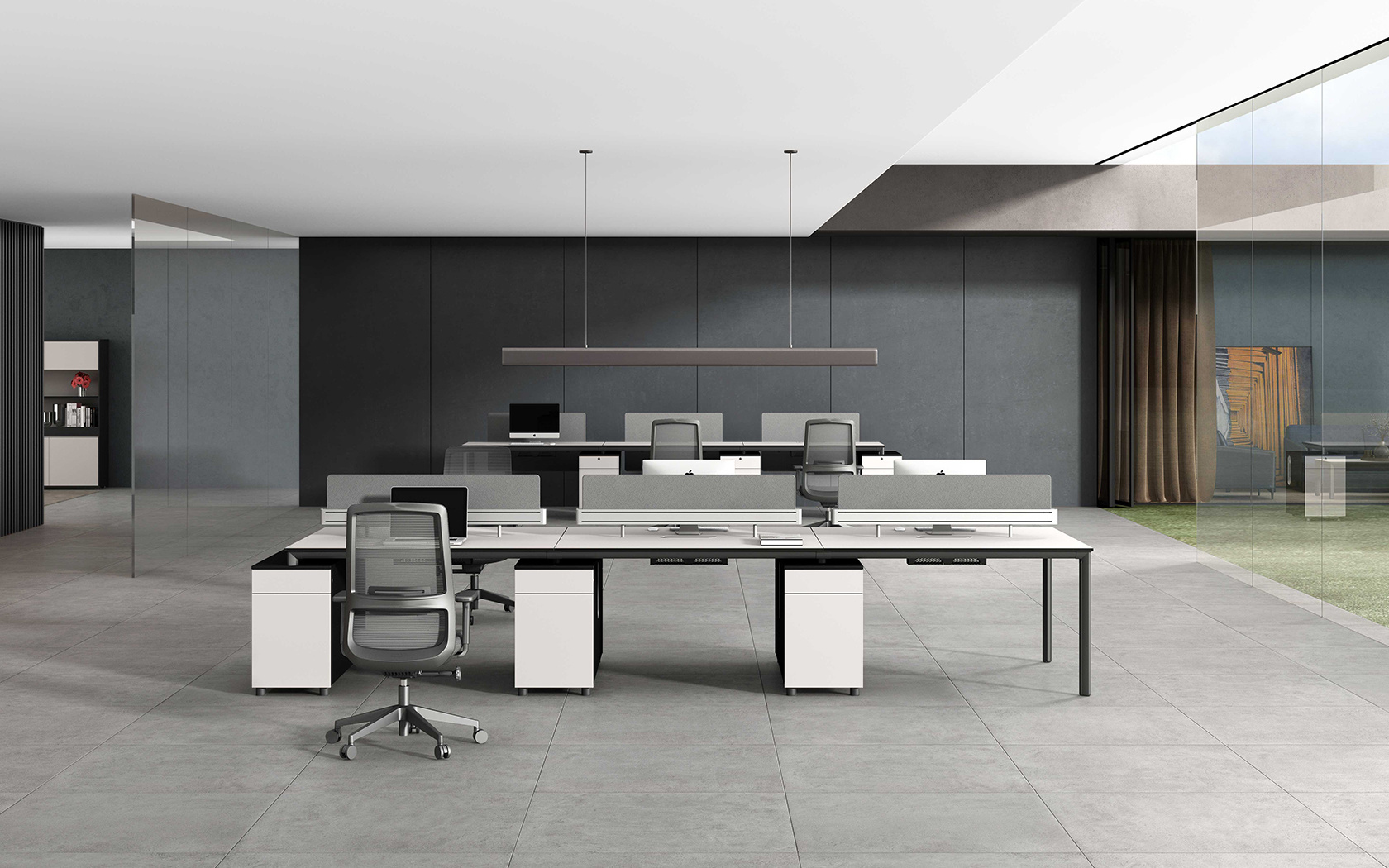
What is ergonomics?
Ergonomics is the science of optimizing human-machine interaction, aiming to improve the work environment through design to reduce fatigue and improve efficiency. Ergonomic office furniture is designed to support the body's natural posture, effectively reducing physical stress and preventing long-term health problems.
Advantages of Ergonomic Office Furniture
Improved comfort: Ergonomic furniture, such as adjustable chairs and desks, provides optimal support, reducing tension in the back, neck, and shoulders.
Improved health: Long hours of desk work can lead to various health problems, such as musculoskeletal disorders. Scientific furniture design can effectively reduce the occurrence of these problems.
Increased work efficiency: A comfortable office environment allows employees to focus on their work, reducing work interruptions due to discomfort and thus improving overall efficiency.
Enhanced employee satisfaction: A good work environment enhances employees' sense of belonging and satisfaction, reducing absenteeism due to physical discomfort.
Key Factors in Shaping an Ergonomic Office Environment
Adjustable office chairs: Choose high-back, height-adjustable, and tilt-adjustable office chairs to ensure that the chair's lumbar support matches the employee's natural curve.
Adjustable desks: Provide height-adjustable desks that allow employees to choose to stand or sit while working, thus reducing the negative effects of prolonged sitting.
Monitor placement: Ensure that the top of the monitor is at or slightly below eye level to reduce neck and eye strain.
Keyboard and mouse layout: Use ergonomically designed keyboards and mice to avoid excessive wrist twisting.
Lighting and environmental factors: Ensure adequate lighting in the work area, avoid glare, and maintain good ventilation and temperature control.
Implementation Strategies
Employee training: Help employees understand the importance of ergonomics and teach them how to use office furniture correctly.
Personalized choices: Consider the different physical characteristics of employees and provide a variety of furniture options to meet different needs.
Regular assessment: Regularly inspect and adjust the office environment to ensure that the furniture configuration remains optimal and update information in a timely manner.
By effectively configuring ergonomic commercial office furniture, companies can not only become supporters of employee health, but also gain long-term returns on investment in improving employee work efficiency and satisfaction. This win-win strategy undoubtedly provides strong support for the sustainable development of the company.


Online Message
*We will contact you as soon as possible after receiving your message!
Friendly Links: