


How can the design of commercial office furniture be integrated with company culture and brand image to create a personalized office environment?
Publish Time:
2024-10-24
In the competitive business world, company culture and brand image are reflected not only in products and services, but also in the office environment. Through careful design and selection Office Furniture companies can create an office environment that reflects their culture and brand personality, thereby enhancing employee sense of belonging and overall customer impression.
Definition of Company Culture and Brand Image
Company culture refers to a company's values, beliefs, and behaviors, influencing the daily work atmosphere. Brand image is the unique identity and market positioning that a company presents to the outside world, forming the basis of customer recognition and trust.
The Role of Office Furniture in Company Culture and Brand Image
Convey company values: The color, style, and layout of furniture can directly express the company's core values and culture.
Enhance brand memory: Distinctive design elements, such as the incorporation of brand logos or the use of company colors, help strengthen brand recognition.
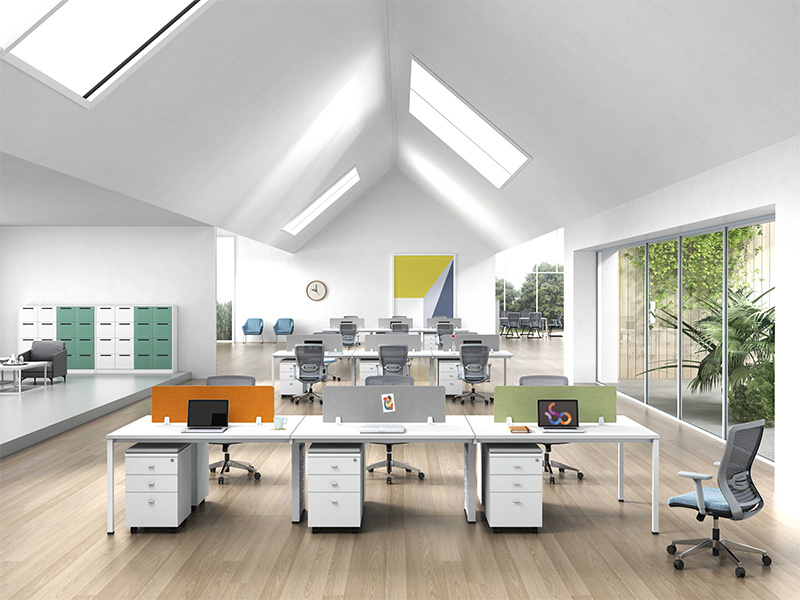
Create a work atmosphere: Furniture design that aligns with the culture can shape the ideal work environment. For example, collaborative cultures prefer open layouts, while innovative companies may focus on creating creative spaces.
How to Combine Furniture Design with Company Culture and Brand
Focus on color and materials: Choose furniture or decorative elements that match the company's signature colors. Material selection should also align with the brand's core values. For example, sustainable materials can be chosen to reflect an eco-friendly philosophy.
Design style and corporate positioning: Tech companies may prefer modern, minimalist designs, while traditional companies may prefer classic, stable styles.
Personalized customization: Customize furniture according to the company's culture and needs, adding exclusive elements such as signature patterns or carvings.
Flexible layout design: Design flexible space layouts to promote communication and collaboration based on the characteristics of the corporate culture, such as open office areas, leisure areas, or innovation labs.
Incorporate company history and vision: Subtly incorporate important company historical landmarks or future vision elements into the furniture or decor to strengthen employee sense of belonging and mission.
Strategies for Achieving a Personalized Office Environment
Employee participation in the design process: Encourage employees to provide ideas about office space design to ensure the design meets actual needs and enhances employee identification.
Collaborate with professional designers: Collaborate with professional designers who have experience in brand building to ensure that the design scheme is both aesthetically pleasing and practical.
Regular updates and improvements: Regularly evaluate the performance of the office environment and make adjustments based on company development changes and feedback.
By organically combining commercial office furniture design with company culture and brand image, companies can not only create a vibrant and personalized work environment, but also subtly improve employee satisfaction and productivity. This comprehensive image building also establishes a trustworthy brand image for customers, contributing to the long-term development of the enterprise.
Online Message
*We will contact you as soon as possible after receiving your message!
Friendly Links: