


How does the concept of sustainable development influence the selection and production of school furniture?
Publish Time:
2024-10-24
With the increasing global emphasis on environmental protection, sustainable development has become a key issue across various industries. School Furniture As a fundamental part of the educational environment's infrastructure, school furniture is also profoundly impacted by the concept of sustainable development. This is evident in the innovations and improvements in material selection and production methods.
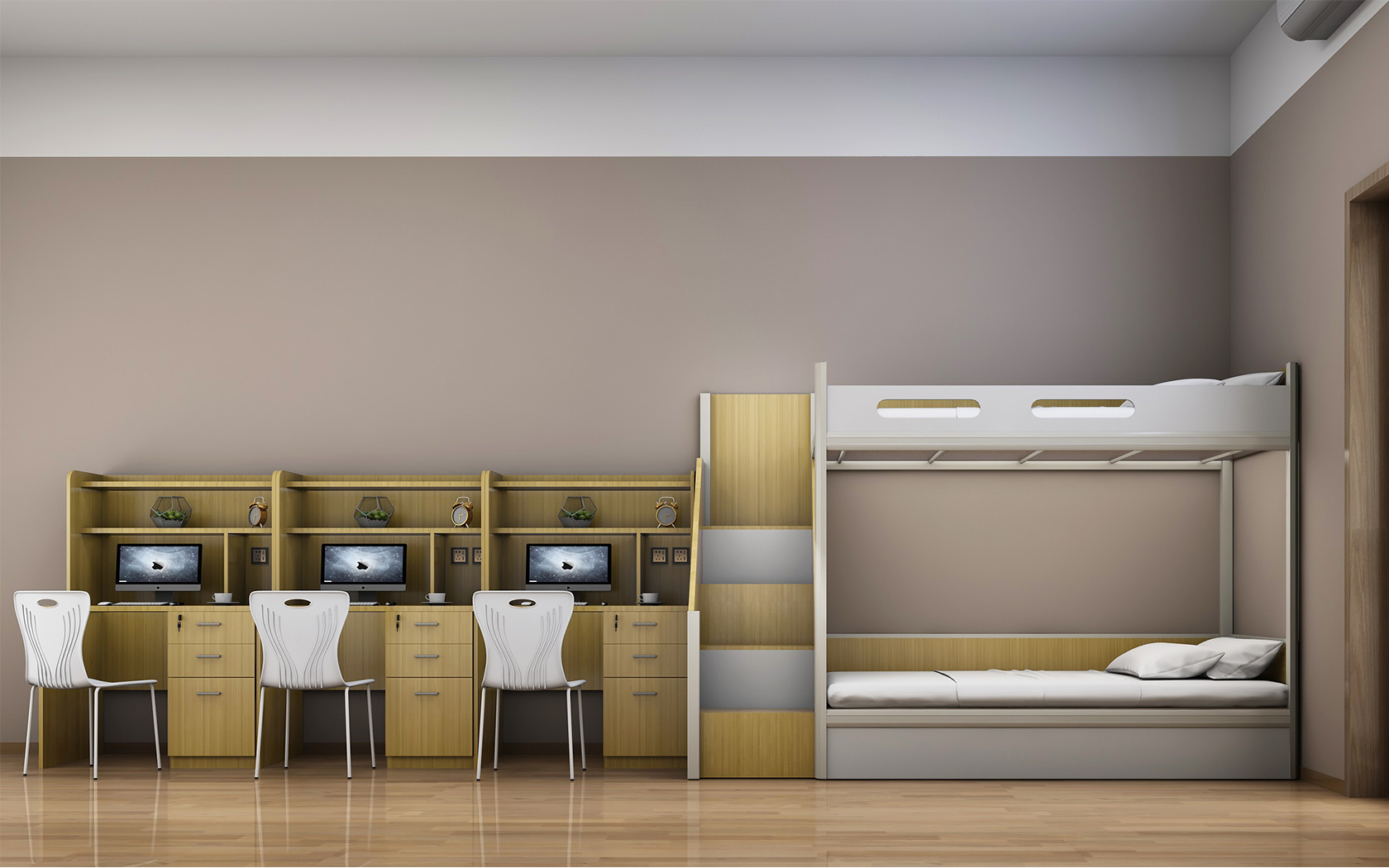
Sustainable Material Selection Strategies
Environmentally Friendly Materials: School furniture increasingly utilizes renewable and eco-friendly materials such as bamboo, reclaimed wood, and recycled metals. These materials not only reduce deforestation but also effectively lower carbon emissions.
Non-Toxic Chemicals: Traditional toxic chemicals used in surface treatments and adhesives are being replaced with water-based paints and VOC (Volatile Organic Compound)-free glues to ensure student health.
Innovative Composite Materials: New composite materials developed through technological innovation demonstrate superior durability and functionality while emphasizing biodegradability and environmental friendliness.
Sustainable Production Processes
Energy Efficiency: Production processes are gradually adopting green energy sources such as solar and wind power, while optimizing manufacturing processes to reduce energy consumption and improve resource utilization.
Resource Recycling and Reuse: Strengthening material recycling and reuse processes, through modular design, makes furniture easier to repair and update, reducing unnecessary waste.
Localized Production: Prioritizing local supply chains to reduce energy consumption and carbon emissions during transportation, supporting regional economic development.
Impact on the Educational Environment and Society
Healthy and Safe Learning Environment: By using environmentally friendly materials and non-toxic processes, potential threats to student health are reduced, improving the overall quality of the educational environment.
Cost-Effective: Although initial investment may be higher, in the long run, sustainable materials and production processes reduce maintenance costs and replacement frequency, providing schools with a more economical option.
Educational Demonstration Effect: By using sustainable furniture, schools can convey environmental awareness and the concept of sustainable development to students, integrating the cultivation of ecological responsibility into educational philosophy.
Future Outlook
With continuous technological advancements and growing environmental awareness, the school furniture industry is expected to further develop in a sustainable direction. The future may see more intelligent, recyclable, and resource-efficient solutions, continuously innovating the selection and production methods of school furniture.
Through the concept of sustainable development, school furniture not only provides students with a healthy and safe learning environment but also plays a significant role in global environmental protection, demonstrating the educational institutions' commitment and practice of social responsibility. This transformation will bring lasting positive impacts to students, schools, and society as a whole.

Online Message
*We will contact you as soon as possible after receiving your message!
Friendly Links: