



What are the advantages of furniture in chain hotels in terms of practicality and cost control?
Publish Time:
2024-10-22
In the hotel industry, chain hotels are widely popular for their efficient operation models and consistent service quality. The practicality and cost control of their furniture are key success factors. Below, we explore how chain hotels can achieve the dual advantages of practicality and cost control through furniture design and procurement.
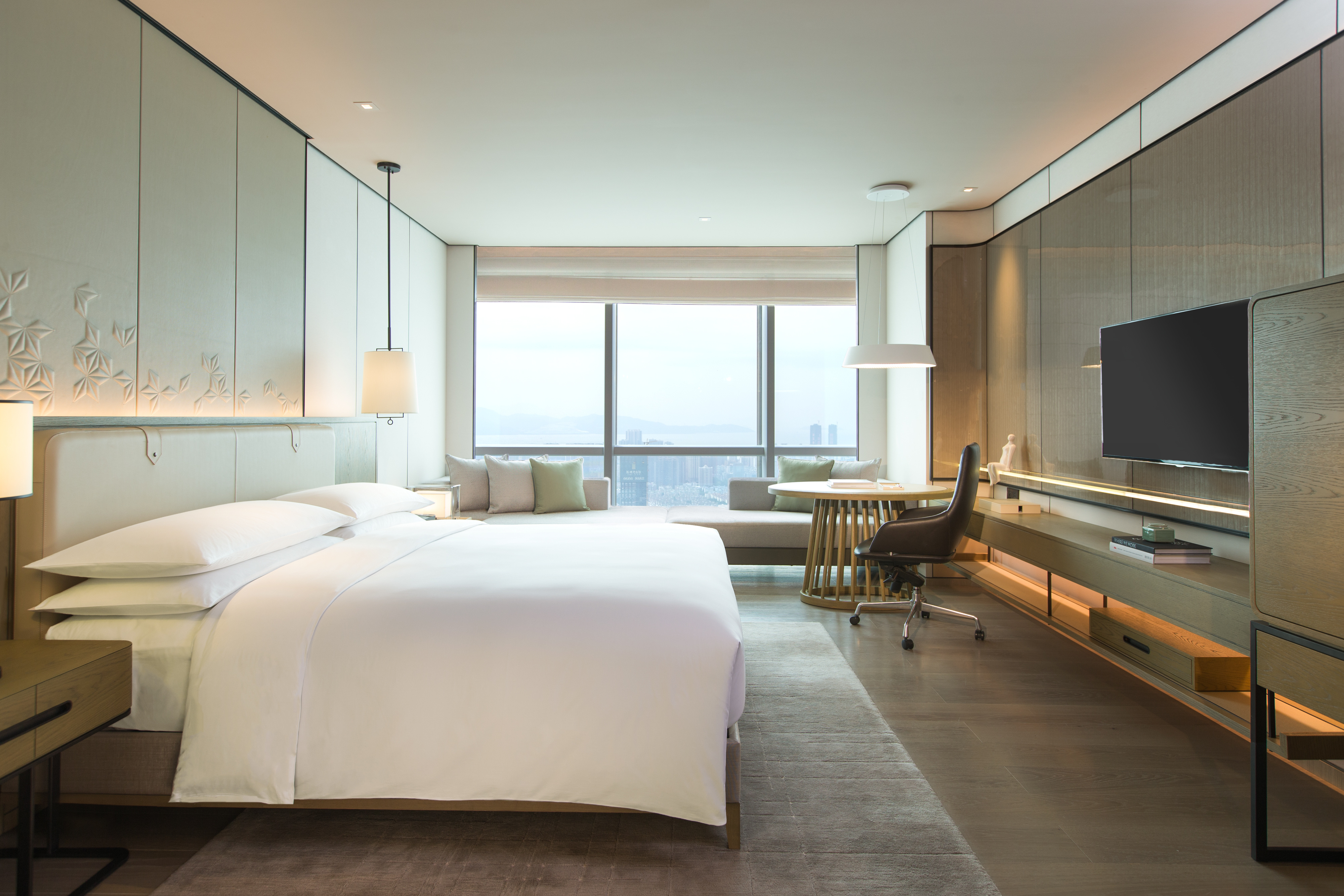
1. Bulk Purchasing to Reduce Costs
Due to their large scale, chain hotels can achieve significant cost advantages through bulk purchasing of furniture. Centralized procurement not only reduces the price of individual pieces of furniture but also allows for the establishment of long-term partnerships with suppliers, leading to more favorable prices and better service. This intensive procurement method significantly reduces overall costs, allowing hotels to invest funds in other areas to enhance the customer experience.
2. Modular and Standardized Design
To achieve efficient operations, chain hotels typically adopt modular and standardized furniture designs. This design strategy not only simplifies the renovation and maintenance process but also allows for easy movement and replacement of furniture between different hotels, reducing inventory pressure. At the same time, standardized design ensures brand consistency and enhances customer loyalty.
3. Durable and Easy-to-Clean Materials
Furniture in chain hotels needs to withstand long-term, high-frequency use, so durable and easy-to-clean materials are typically chosen, such as high-density board, synthetic leather, or stainless steel. These materials not only effectively extend the lifespan of the furniture but also reduce the frequency of maintenance and replacement, thus saving costs.
4. Multifunctional Design
Furniture in chain hotels is usually multifunctional to maximize space efficiency. Designs such as folding tables and chairs, sofa beds, or beds with storage help hotels optimize room layouts, maximizing the use of limited space. This practicality directly improves the guest experience.
5. Easy Maintenance and Replaceability
A well-designed furniture system is easy to maintain and replace. Chain hotels typically choose furniture that is easy to repair or modular, ensuring that damage can be quickly repaired or replaced without affecting operations. This strategy significantly reduces maintenance costs and minimizes potential revenue loss.
6. Sustainable Procurement Strategies
Many chain hotels are now focusing on environmental protection, and sustainable furniture procurement has become a trend. Choosing furniture made from renewable materials and using environmentally friendly processes not only helps enhance the hotel's image of social responsibility but may also further reduce costs through government subsidies and tax incentives.
Conclusion
Chain hotels, through various strategies such as bulk purchasing, modular design, and material selection, have successfully achieved a balance between practicality and cost control in their furniture choices. These advantages allow chain hotels not only to provide consistent and high-quality customer experiences but also to maintain cost-effectiveness in the face of fierce market competition, laying a solid foundation for long-term development.
Online Message
*We will contact you as soon as possible after receiving your message!
Friendly Links: