



What should be considered in the design and production of nursing home furniture?
Publish Time:
2024-10-21
In the environment of a nursing home, the design and manufacture of furniture needs to take into account the unique needs of the elderly. This not only affects the comfort of the elderly but also directly impacts their quality of life and safety. The following are Nursing home furniture Key elements to consider in design and manufacturing:
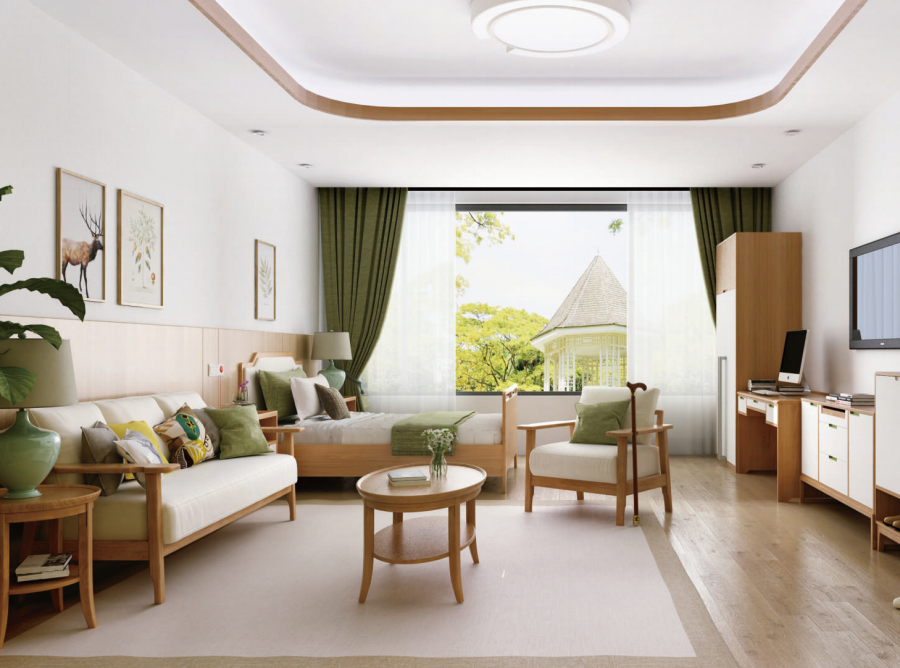
1. Safety
Safety is the primary consideration in the design of nursing home furniture. The edges and corners of the furniture should be rounded to prevent bumps and injuries. At the same time, the stability of the furniture must be ensured to avoid accidents such as falls due to instability. In addition, the use of anti-slip materials can effectively prevent accidents.
2. Comfort
The physical condition of the elderly varies, so comfort is extremely important. Seats and beds should have good support and softness to meet the needs of different elderly people. Considering the mobility of the elderly, the height and depth of the furniture should be reasonably designed to facilitate lying down, sitting, and standing.
3. Ease of Use
The use of furniture should be simple and easy to understand, in line with the operating habits of the elderly. For example, the armrests of chairs and the headboards of beds should be designed to facilitate the elderly to enter and exit or adjust their posture. Furniture with lifting functions or electric adjustments can further increase the convenience of use.
4. Durability and Quality
Due to the high frequency of use of nursing home furniture, durability is particularly important. Furniture materials must have good wear resistance and moisture resistance to ensure that they remain in good condition after prolonged use.
5. Hygiene and Cleaning
A nursing home is an environment with high hygiene requirements. Furniture materials should be easy to clean and resistant to bacterial growth. Choosing antibacterial materials or surfaces with anti-fouling coatings can reduce hygiene risks.
6. Ergonomic Design
Ergonomic design plays a crucial role in nursing home furniture. The tilt angle of the seat and the design of the backrest should conform to ergonomics to reduce physical fatigue from prolonged sitting or lying down.
7. Emotional Communication and Psychological Care
Furniture design should also consider psychological factors. Warm colors and friendly shapes can help create a warm and relaxing atmosphere, improving the elderly's psychological comfort and sense of belonging.
8. Flexibility and Multi-functionality
Due to the diverse needs of the elderly, the flexibility and multi-functionality of furniture can improve space utilization efficiency. Foldable and movable furniture designs facilitate the reconfiguration of space to adapt to different activities and needs.
Conclusion
The design and manufacture of nursing home furniture is a multi-dimensional process that encompasses safety, comfort, function, hygiene, and emotional care. Carefully designed furniture not only improves the quality of life for the elderly but also provides them with a dignified and comfortable living environment. Therefore, collaborating with experienced and professional furniture manufacturers is crucial to ensure the superior quality and appropriate design of nursing home furniture. This is a fundamental guarantee for creating a better living environment for the elderly.
Online Message
*We will contact you as soon as possible after receiving your message!
Friendly Links: