



How can nursing home furniture improve comfort and safety for the elderly?
Publish Time:
2024-10-18
Nursing home furniture The selection and configuration of nursing home furniture directly impacts the daily lives of the elderly. Appropriate furniture not only enhances comfort but also effectively ensures safety, providing a warm and secure living environment for the elderly. Here are several key aspects of how furniture can improve comfort and safety for the elderly.
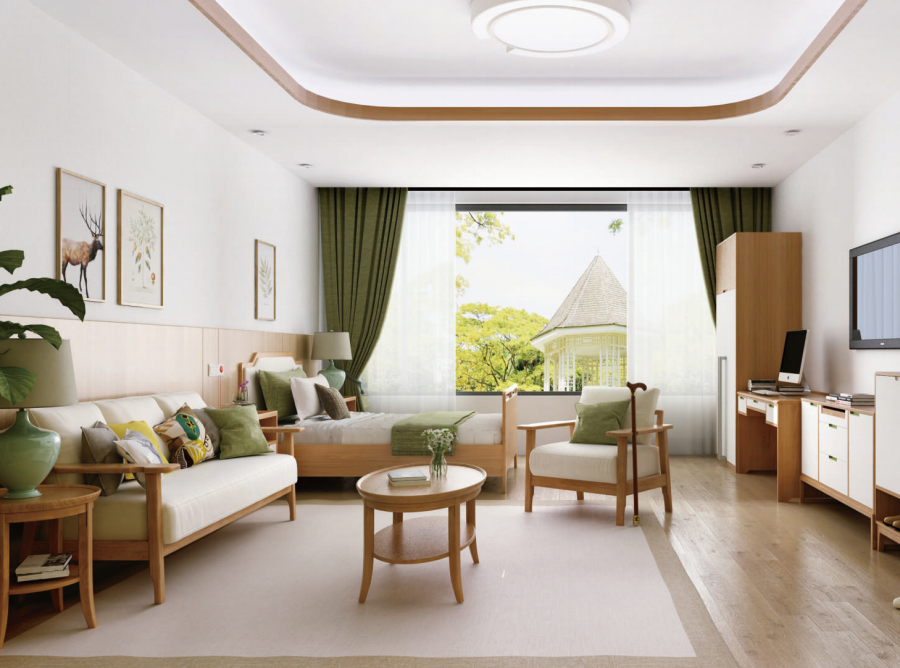
1. Ergonomic Design
Ergonomic design is the core of ensuring furniture comfort. For the elderly, seats should have sufficient back support and appropriate height for easy standing. The bed should be of moderate height for easy getting in and out, while providing firm mattress support. In addition, the height of tables and chairs should be suitable for the elderly's sitting posture, reducing the burden on the neck and waist.
2. Safe Materials and Structure
The choice of furniture materials must focus on safety. High-quality anti-slip materials can be used for handrails and ground contact parts to prevent falls. The edges of the furniture should be rounded to reduce the risk of bumps. In addition, a stable structural design can prevent tipping and accidents.
3. Barrier-Free Design
Nursing home furniture should consider barrier-free design to facilitate the use of assistive devices such as wheelchairs or walkers. Passages should be wide enough, and furniture placement should avoid obstructing movement routes. Lift chairs or adjustable-height furniture can also provide more convenience for the elderly with mobility impairments.
4. Ease of Use
Considering the decrease in hand strength and flexibility of the elderly, furniture should be easy to operate. For example, door and drawer handles need to be designed for easy gripping, and switches should be designed to be obvious and easy to operate, ensuring that the elderly can use them effortlessly in daily life.
5. Warm Design
Warm design and colors can help the elderly relax. Using soft colors and comfortable fabrics not only enhances the overall aesthetics of the space but also creates a warm living atmosphere. The use of personalized elements can also help the elderly adapt better to the new environment.
6. Application of Smart Furniture
With the development of technology, the use of smart furniture in nursing homes is becoming increasingly common. Through sensor monitoring and wireless network connections, this furniture can monitor the elderly's physical condition in real-time, such as heart rate and breathing, thus providing more comprehensive safety protection.
Conclusion
The selection and arrangement of nursing home furniture directly affects the quality of life and sense of security for the elderly. Through ergonomic design, safe materials, barrier-free design, ease of use, warm style, and the application of smart technology, nursing homes can create a safe, comfortable, and secure living environment for the elderly. This not only improves the quality of life for the elderly but also reduces the burden on caregivers, contributing to the building of a harmonious and loving elderly care community.


Online Message
*We will contact you as soon as possible after receiving your message!
Friendly Links: