


How should bank furniture be custom designed?
Publish Time:
2024-10-15
In today's rapidly developing banking industry, banks are not only providers of financial services but also important representations of brand image and customer experience. Furniture, as a key part of the physical environment of a bank, plays a crucial role in the experience of both customers and employees. Therefore, while meeting functional needs, custom-designed bank furniture should also emphasize aesthetics and brand consistency. The following are some key steps and considerations for custom designing bank furniture.
1. Clarify Functional Needs
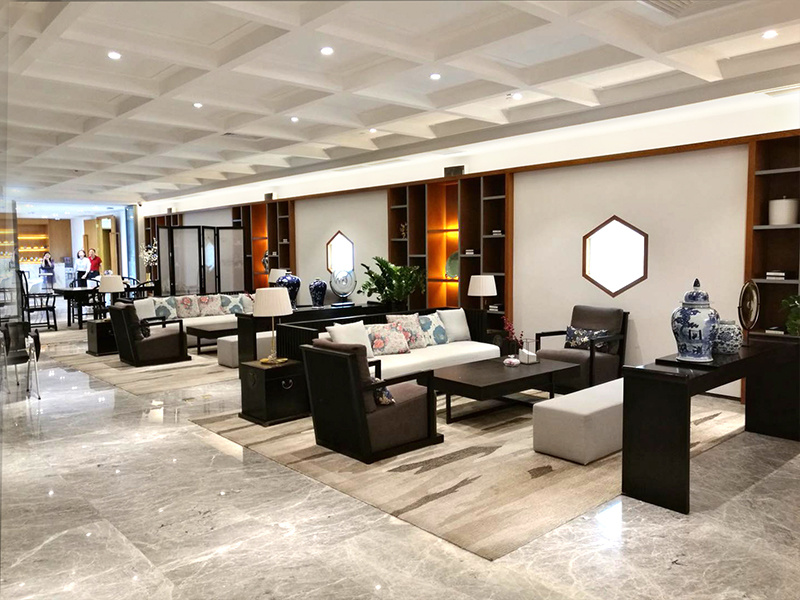
At the initial stage of furniture custom design, clarifying the specific functional needs of the bank is crucial. This includes the types of furniture required for different functional areas such as customer service areas, employee work areas, meeting rooms, and rest areas. For example, reception areas require easy-to-clean comfortable seating and waiting tables, while office areas require ergonomically designed chairs and smart desks.
2. Understand Space Layout
When designing furniture, it is necessary to conduct detailed measurements and planning of the bank's internal space. Reasonable layout not only maximizes space utilization but also ensures smooth traffic flow and improves work efficiency. In areas with obvious space limitations, custom furniture can solve many problems that standard furniture cannot overcome.
3. Match Brand Image
Bank furniture should be consistent with the overall brand image. By selecting appropriate colors, materials, and furniture styles, custom design can effectively convey the brand's values and concepts. For example, using wood and soft tones conveys stability and trust, while using modern designs and advanced materials showcases innovation and efficiency.
4. Choose High-Quality Materials
In terms of material selection, bank furniture needs to consider durability and ease of maintenance. Generally, choosing environmentally friendly materials such as high-quality wood, metal, and highly wear-resistant fabrics can extend the lifespan of the furniture while reducing maintenance costs. In addition, fire prevention, waterproof, and antibacterial functions are also safety factors that need attention.
5. Integrate Technological Elements
Modern banks need to use high technology to optimize the customer and employee experience. In custom furniture design, smart technologies such as wireless charging, integrated cable management, and digital display device support should be integrated to improve the convenience of the modern office environment.
6. Focus on Customer Experience
The design of bank furniture should not only focus on aesthetics and functionality but also on the customer's usage experience. Comfortable seating, reasonable desk height, and privacy protection design can all improve customer satisfaction. At the same time, the setting of children's areas and barrier-free design are also gradually becoming a focus.
7. Sustainable Development and Environmental Considerations
Against the backdrop of increasing global emphasis on environmental protection, banks have a responsibility to choose sustainable furniture solutions. Using renewable materials and environmentally friendly manufacturing processes can establish a positive public image for the company and comply with global and regional environmental regulations.
Conclusion
Custom design of bank furniture is not only a reflection of functionality and aesthetics but also an extension of brand value and a guarantee of customer experience. Through analyzing specific needs and utilizing advanced materials and technologies in the design process, banks can create an environment that is both efficient and comfortable. Providing an optimized space for customers and employees will help improve overall business efficiency and brand loyalty.
Online Message
*We will contact you as soon as possible after receiving your message!
Friendly Links: