



What should be noted when purchasing dining hall furniture?
Publish Time:
2024-10-11
Purchasing cafeteria furniture Is an important step in improving the dining environment and experience. This process requires consideration of multiple factors to ensure the quality and functionality of the furniture. Here are the key points to consider when purchasing cafeteria furniture.

1. Durability and Quality
Cafeteria furniture used in public spaces needs to withstand high-frequency use, so durability is crucial. Choose furniture made from high-quality materials such as solid wood, metal frames, and wear-resistant plastics. These materials can maintain their condition over extended use. Additionally, it is necessary to review the supplier's quality certifications and product test reports.
2. Comfort
Comfortable furniture enhances the dining experience. Chair designs should follow ergonomic principles, providing good support and a comfortable seating experience. Table and chair heights should be appropriate for easy dining. Comfort is important for extending customer stay times and improving employee satisfaction.
3. Safety
Ensure that the furniture design and construction are safe and stable, avoiding sharp edges or unstable structures to prevent user injury. Safety is especially important in environments where children are present.
4. Easy Cleaning
Cafeteria furniture requires frequent cleaning, so choosing materials that are easy to wipe and resistant to stains is particularly important. Furniture with smooth surfaces and good stain resistance can greatly improve cleaning efficiency and maintain a hygienic dining environment.
5. Aesthetic Design
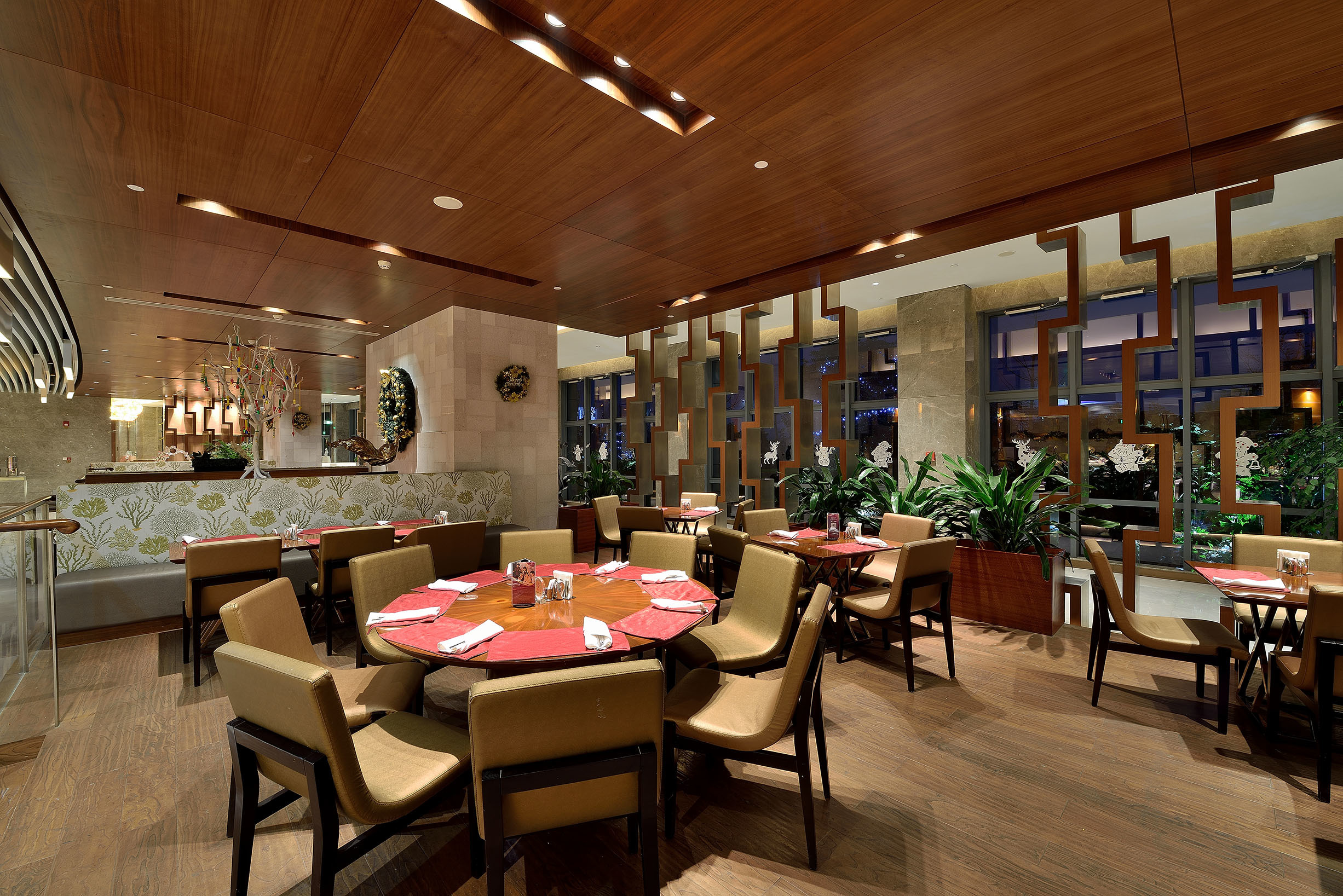
The color and style of the furniture should coordinate with the overall style of the cafeteria. Choosing a stylish, generous design with soft tones can create a comfortable dining atmosphere and improve user satisfaction.
6. Space Utilization
Plan the furniture layout rationally according to the cafeteria area. Choose appropriate table and chair sizes and shapes to maximize space utilization, ensuring wide passageways and smooth traffic flow. Modular furniture designs allow for flexible adjustments, improving space adaptability.
7. Supplier Reputation
Choose reputable manufacturers or suppliers. Check customer reviews online and share purchasing experiences with other users to ensure reliable cooperation. High-quality suppliers generally provide good after-sales service, including product warranties and repair of damage.
8. Price and Budget
Develop a clear budget plan, compare prices from multiple vendors, and find the best value products. Note that low prices may be accompanied by quality issues; cost savings should not come at the expense of quality.
Conclusion
The procurement of cafeteria furniture requires attention to multiple factors, including quality, comfort, and safety. By comprehensively evaluating the market, rationally planning needs, and selecting reliable suppliers, suitable furniture can be procured to provide diners with a safe, comfortable, and aesthetically pleasing environment. This not only helps improve the quality of cafeteria service but also plays a positive role in improving the overall dining experience.

Online Message
*We will contact you as soon as possible after receiving your message!
Friendly Links: