



The Influence of Minimalism on Hotel Lobby Furniture Design: Creating Elegant Spaces
Publish Time:
2026-05-22
The Influence of Minimalism on Hotel Lobby Furniture Design
Table of Contents
1. Introduction to Minimalism in Design
2. The Essence of Minimalist Design
3. Historical Context of Minimalism in Furniture Design
4. Core Principles of Minimalist Design in Hotel Lobbies
4.1. Functionality Over Aesthetics
4.2. Emphasis on Space and Light
5. Key Materials Used in Minimalist Hotel Lobby Furniture
6. Impact of Minimalism on Guest Experience
7. Practical Tips for Implementing Minimalism in Hotel Lobbies
7.1. Selecting the Right Furniture
7.2. Color Palette and Textures
8. Case Studies: Successful Minimalist Hotel Lobbies
9. FAQs About Minimalist Design in Hotel Lobbies
10. Conclusion
1. Introduction to Minimalism in Design
Minimalism has become a significant trend in various design fields, particularly in interior architecture. When it comes to hotel lobbies, minimalism offers an opportunity to create spaces that are not only visually appealing but also practical and welcoming. By stripping away the unnecessary, minimalism allows for a focus on essential elements that enhance guest experiences.
2. The Essence of Minimalist Design
The core of minimalist design lies in the idea that "less is more." This philosophy emphasizes simplicity, clean lines, and uncluttered spaces. It encourages designers to focus on the essential characteristics of objects and their functionality. In a hotel lobby, this translates to furniture that serves a purpose without overwhelming the senses.
3. Historical Context of Minimalism in Furniture Design
Emerging in the mid-20th century, minimalism was a response to the excesses of previous design movements. It gained traction in the worlds of art, architecture, and furniture design. In hotel lobbies, minimalist design began influencing how spaces were organized, prioritizing guest comfort, and creating an atmosphere of calm and clarity.
4. Core Principles of Minimalist Design in Hotel Lobbies
4.1. Functionality Over Aesthetics
In minimalist design, every piece of furniture must serve a clear purpose. Instead of ornate decorations, the focus is on functionality. This principle is particularly important in hotel lobbies, where guests require comfortable seating, clear pathways, and efficient check-in areas.
4.2. Emphasis on Space and Light
Minimalism embraces open spaces and natural light. Large windows, high ceilings, and strategic layouts help create an inviting atmosphere. Furniture in these spaces should not obstruct movement but rather enhance the openness, allowing guests to feel relaxed and at ease.
5. Key Materials Used in Minimalist Hotel Lobby Furniture
Selecting the right materials is crucial in achieving a minimalist aesthetic. Common materials include natural woods, metal, glass, and stone. These elements not only provide durability but also contribute to the overall visual appeal. Using a limited color palette, often including neutral tones, allows these materials to shine without distraction.
6. Impact of Minimalism on Guest Experience
A minimalist hotel lobby can significantly impact guest experience. The uncluttered space promotes relaxation, reduces stress, and allows guests to focus on their surroundings. By creating an atmosphere of tranquility, hotels can elevate their branding and enhance guest satisfaction, leading to positive reviews and repeat business.
7. Practical Tips for Implementing Minimalism in Hotel Lobbies
7.1. Selecting the Right Furniture
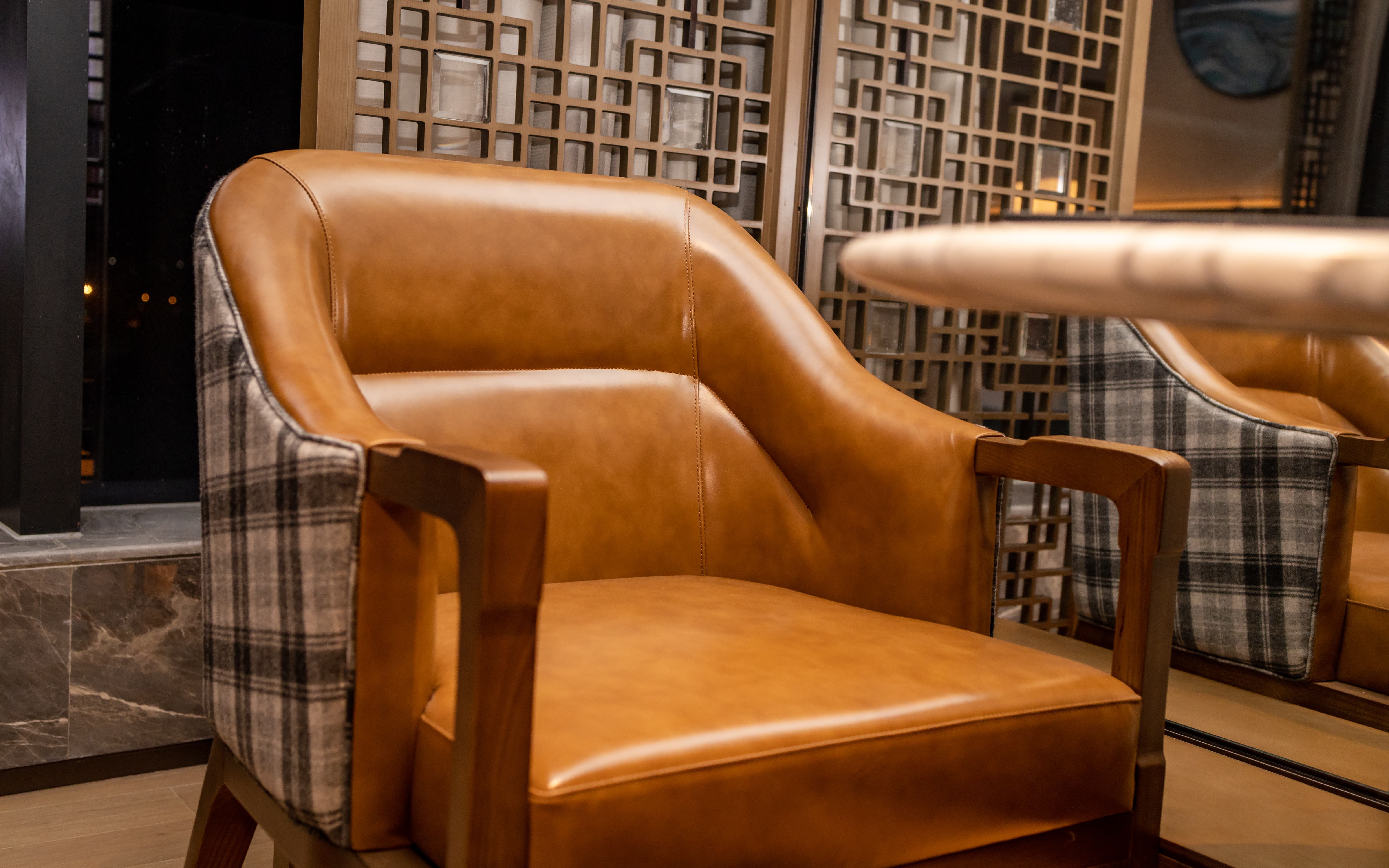
When choosing furniture for a minimalist hotel lobby, opt for pieces that are both functional and stylish. Look for sofas and chairs with clean lines and simple forms. Modular furniture can also provide flexibility for different layouts and events, making it easier to adapt the space to guest needs.
7.2. Color Palette and Textures
A cohesive color palette can enhance the minimalist design. Stick to neutral tones like white, beige, and gray, with occasional pops of color through art or decorative elements. Additionally, incorporate different textures to add depth and interest without clutter.
8. Case Studies: Successful Minimalist Hotel Lobbies
Several hotels have successfully embraced minimalist design in their lobbies, creating inviting spaces that resonate with guests. For instance, the **Ace Hotel** in New York showcases a blend of industrial and minimalist styles, using natural materials and open spaces to foster a unique ambiance. Similarly, the **Nobis Hotel** in Stockholm features a minimalist lobby that prioritizes comfort and simplicity, enhancing the overall guest experience.
9. FAQs About Minimalist Design in Hotel Lobbies
**Q1: What are the benefits of minimalist design in hotel lobbies?**
A1: Minimalist design promotes tranquility, enhances guest comfort, and creates a visually appealing environment, leading to improved guest satisfaction.
**Q2: What materials are best for minimalist furniture?**
A2: Natural woods, metals, glass, and stone are commonly used in minimalist furniture due to their durability and aesthetic appeal.
**Q3: How can I ensure my hotel lobby looks minimalist?**
A3: Focus on functional furniture, maintain an open layout, and select a cohesive color palette with minimal decorations.
**Q4: Can minimalist design be applied to other areas of a hotel?**
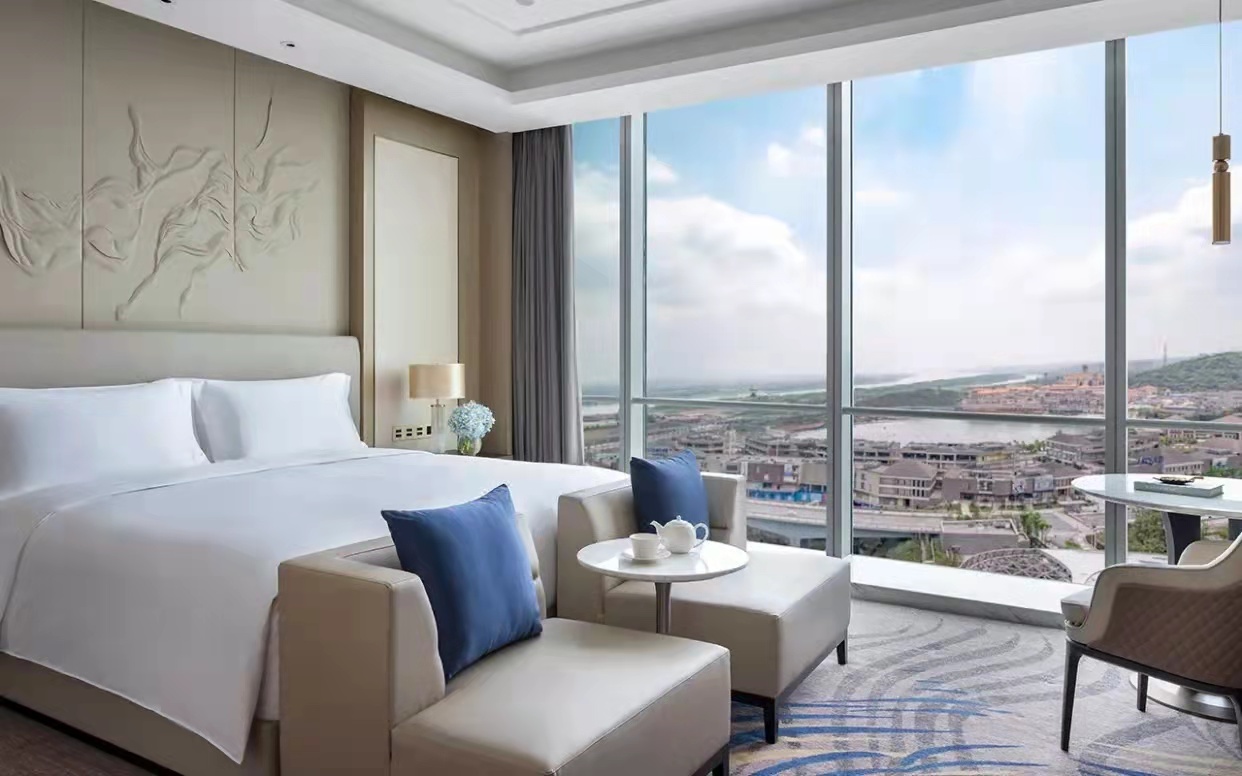
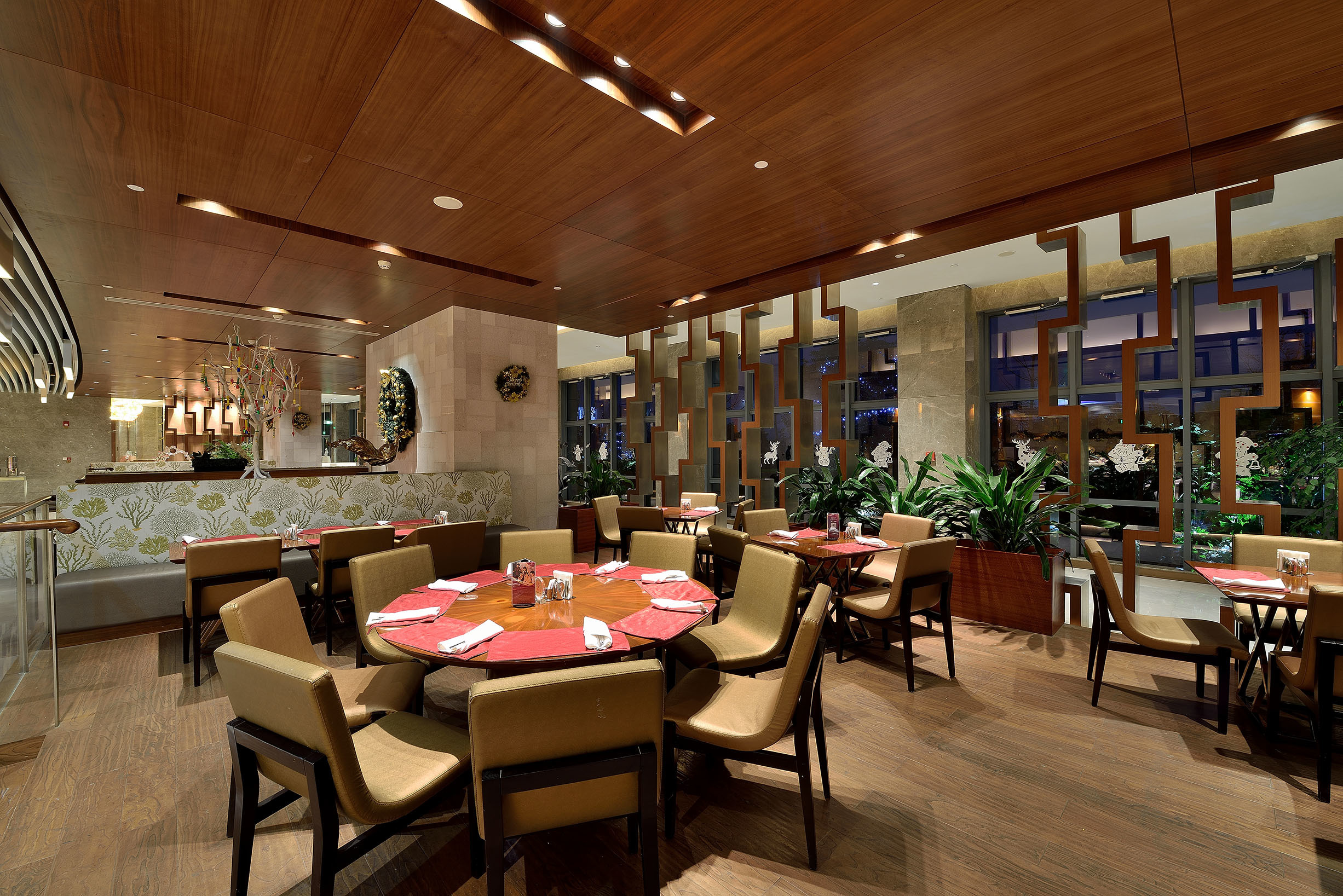
A4: Yes, minimalist principles can be applied to guest rooms, dining areas, and even outdoor spaces to create a cohesive design throughout the hotel.
**Q5: How does minimalist design affect hotel branding?**
A5: A well-designed minimalist lobby can enhance a hotel's brand image by conveying a sense of sophistication, modernity, and attention to guest experience.
10. Conclusion
The influence of minimalism on hotel lobby furniture design is undeniable. By embracing the principles of simplicity, functionality, and elegance, hotels can create spaces that not only welcome guests but also enhance their overall experience. As the hospitality industry continues to evolve, minimalist design will likely remain a significant trend, reflecting the changing preferences of travelers and the increasing importance of creating functional, stylish spaces. By thoughtfully implementing minimalist design strategies, hotels can set themselves apart in a competitive market, ensuring they resonate with guests and foster loyalty.
Latest News
Online Message
*We will contact you as soon as possible after receiving your message!
Friendly Links: