



Transforming Spaces: The Evolution of Modern Hotel Lobby Furniture
Publish Time:
2026-02-17
In today's competitive hospitality industry, the design and functionality of hotel lobbies play a crucial role in shaping guest experiences. Modern hotel lobby furniture has evolved significantly, focusing on comfort, aesthetics, and versatility while ensuring that the space reflects the hotel's brand identity. This article delves into the key aspects of modern lobby furniture design, providing insights that can help hoteliers make informed decisions.
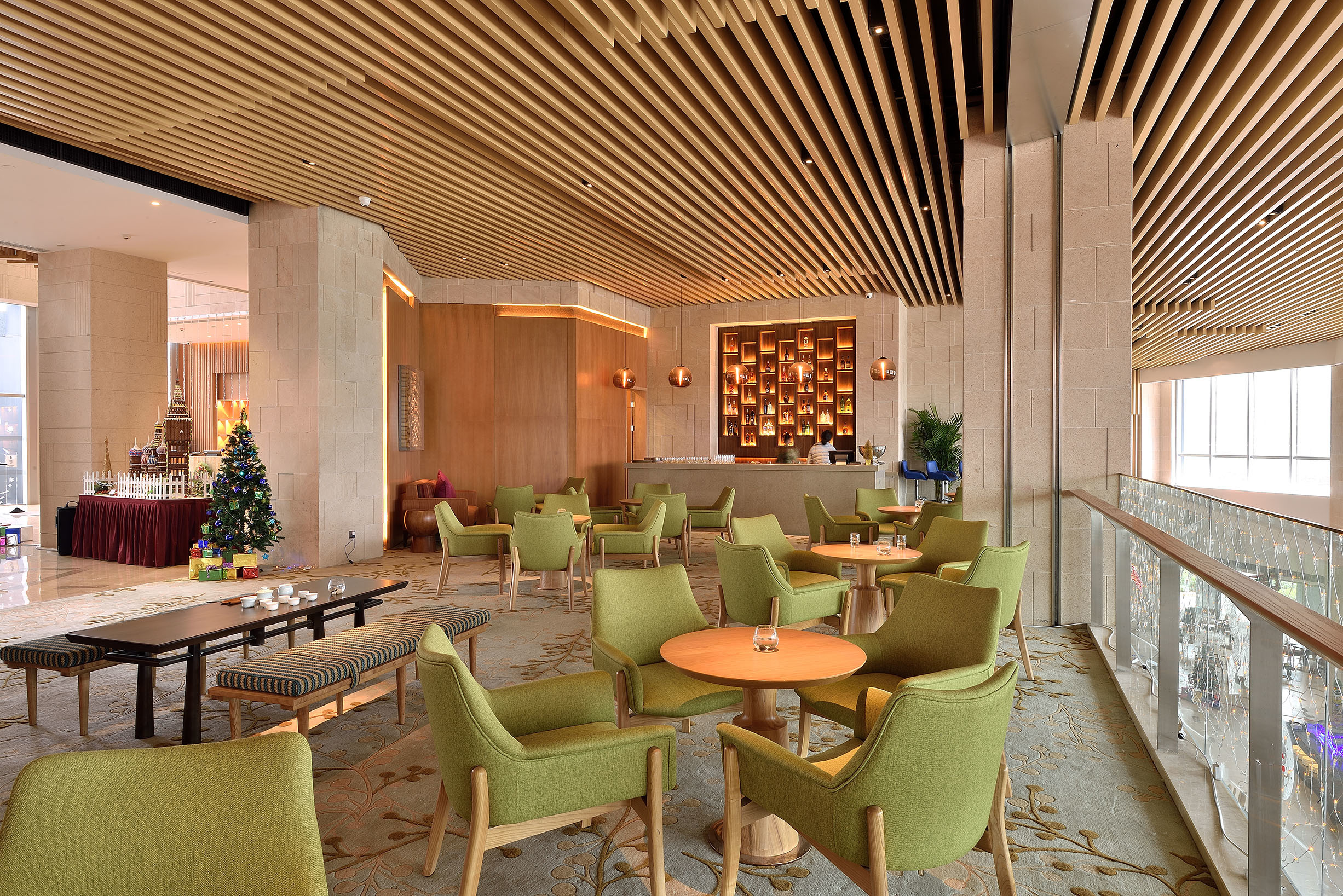
One of the leading trends in modern hotel lobby furniture is the emphasis on open spaces and flexible arrangements. Guests often seek a place to relax or collaborate, so furniture that can be easily rearranged to accommodate different activities is highly valuable. Modular seating options, such as sectional sofas or movable chairs, allow for a dynamic layout that can adapt to the changing needs of guests. These furniture pieces not only enhance comfort but also encourage social interaction, creating an inviting atmosphere.
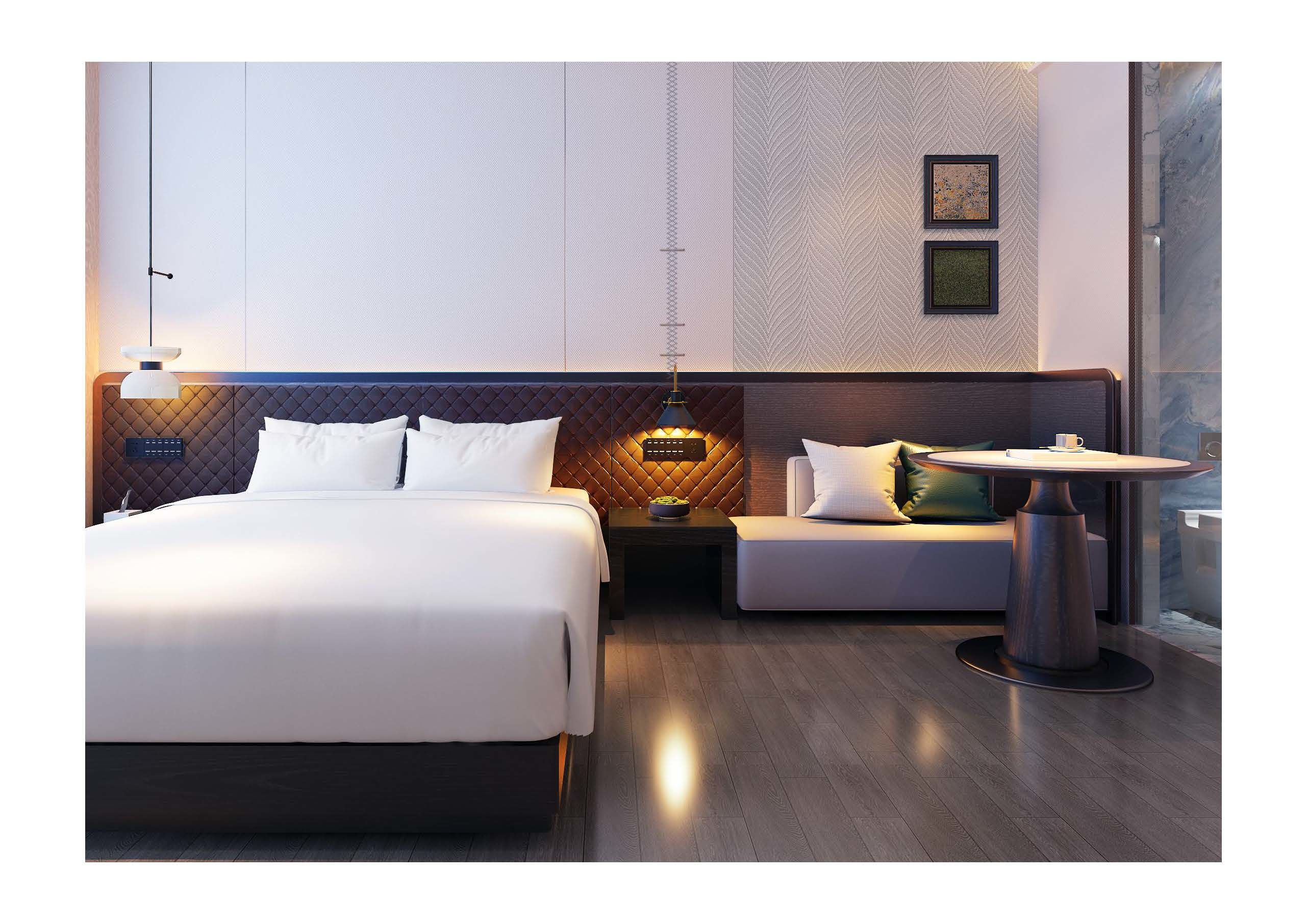
Another important consideration is the integration of technology into lobby furniture design. As guests increasingly rely on their devices, modern hotel lobbies are beginning to incorporate features like charging stations, built-in USB ports, and Wi-Fi connectivity into their furniture. Providing these amenities ensures a seamless experience for tech-savvy travelers and enhances the overall functionality of the lobby space.
Aesthetically, modern hotel lobby furniture often combines contemporary designs with natural materials to create a warm and welcoming environment. The use of organic shapes, earthy colors, and sustainable materials is becoming more prevalent. Furniture made from reclaimed wood, metal, or eco-friendly fabrics resonates with environmentally-conscious guests, contributing to a hotel’s sustainable image. Furthermore, incorporating local art or cultural elements into the furniture design can create a sense of place, making the lobby not just a transit area but a memorable part of the guest experience.
Moreover, the psychology of color plays a vital role in the selection of lobby furniture. Colors can influence mood and perception; hence, choosing the right palette is essential. For instance, warm tones like oranges and yellows can evoke feelings of comfort and happiness, while cooler shades may promote calmness and tranquility. By strategically selecting colors that align with the hotel's branding, hoteliers can create an inviting atmosphere that resonates with guests.
Lastly, the durability and maintenance of lobby furniture should not be overlooked. High-traffic areas like hotel lobbies require furniture that can withstand wear and tear while remaining stylish and functional. Investing in high-quality materials and finishes can ensure longevity, reducing the need for frequent replacements and maintenance.
In conclusion, modern hotel lobby furniture is a critical component of hospitality design, influencing both functionality and aesthetic appeal. By considering flexibility, technology integration, materials, color psychology, and durability, hoteliers can create inviting lobbies that enhance guest experiences and leave a lasting impression.
One of the leading trends in modern hotel lobby furniture is the emphasis on open spaces and flexible arrangements. Guests often seek a place to relax or collaborate, so furniture that can be easily rearranged to accommodate different activities is highly valuable. Modular seating options, such as sectional sofas or movable chairs, allow for a dynamic layout that can adapt to the changing needs of guests. These furniture pieces not only enhance comfort but also encourage social interaction, creating an inviting atmosphere.
Another important consideration is the integration of technology into lobby furniture design. As guests increasingly rely on their devices, modern hotel lobbies are beginning to incorporate features like charging stations, built-in USB ports, and Wi-Fi connectivity into their furniture. Providing these amenities ensures a seamless experience for tech-savvy travelers and enhances the overall functionality of the lobby space.
Aesthetically, modern hotel lobby furniture often combines contemporary designs with natural materials to create a warm and welcoming environment. The use of organic shapes, earthy colors, and sustainable materials is becoming more prevalent. Furniture made from reclaimed wood, metal, or eco-friendly fabrics resonates with environmentally-conscious guests, contributing to a hotel’s sustainable image. Furthermore, incorporating local art or cultural elements into the furniture design can create a sense of place, making the lobby not just a transit area but a memorable part of the guest experience.
Moreover, the psychology of color plays a vital role in the selection of lobby furniture. Colors can influence mood and perception; hence, choosing the right palette is essential. For instance, warm tones like oranges and yellows can evoke feelings of comfort and happiness, while cooler shades may promote calmness and tranquility. By strategically selecting colors that align with the hotel's branding, hoteliers can create an inviting atmosphere that resonates with guests.
Lastly, the durability and maintenance of lobby furniture should not be overlooked. High-traffic areas like hotel lobbies require furniture that can withstand wear and tear while remaining stylish and functional. Investing in high-quality materials and finishes can ensure longevity, reducing the need for frequent replacements and maintenance.
In conclusion, modern hotel lobby furniture is a critical component of hospitality design, influencing both functionality and aesthetic appeal. By considering flexibility, technology integration, materials, color psychology, and durability, hoteliers can create inviting lobbies that enhance guest experiences and leave a lasting impression.
Online Message
*We will contact you as soon as possible after receiving your message!
Friendly Links: