



Exploring the Essential Elements of Hotel Bedroom Suites for Optimal Comfort
Publish Time:
2025-12-02
---
Hotel bedroom suites are critical components of the hospitality industry, serving as the primary resting and relaxation spaces for guests. The design and arrangement of these suites can greatly impact the overall guest experience, making it essential to understand the key elements that contribute to their effectiveness.
1. **Space Planning**: Effective space planning is crucial in hotel bedroom suites. The layout should allow for easy movement while optimizing the use of space. A well-designed suite typically includes a sleeping area, a living space, and a bathroom. Consideration should be given to the placement of furniture to create a natural flow, making it easy for guests to navigate the area.
2. **Quality Bed Furniture**: The centerpiece of any hotel bedroom suite is the bed. A high-quality mattress, paired with suitable bed frames and linens, can significantly enhance guest comfort. It is essential to select bed furniture that not only complements the overall aesthetic of the suite but also provides the necessary support for a good night’s sleep. The choice of pillows and bedding materials should also cater to different preferences to ensure guest satisfaction.
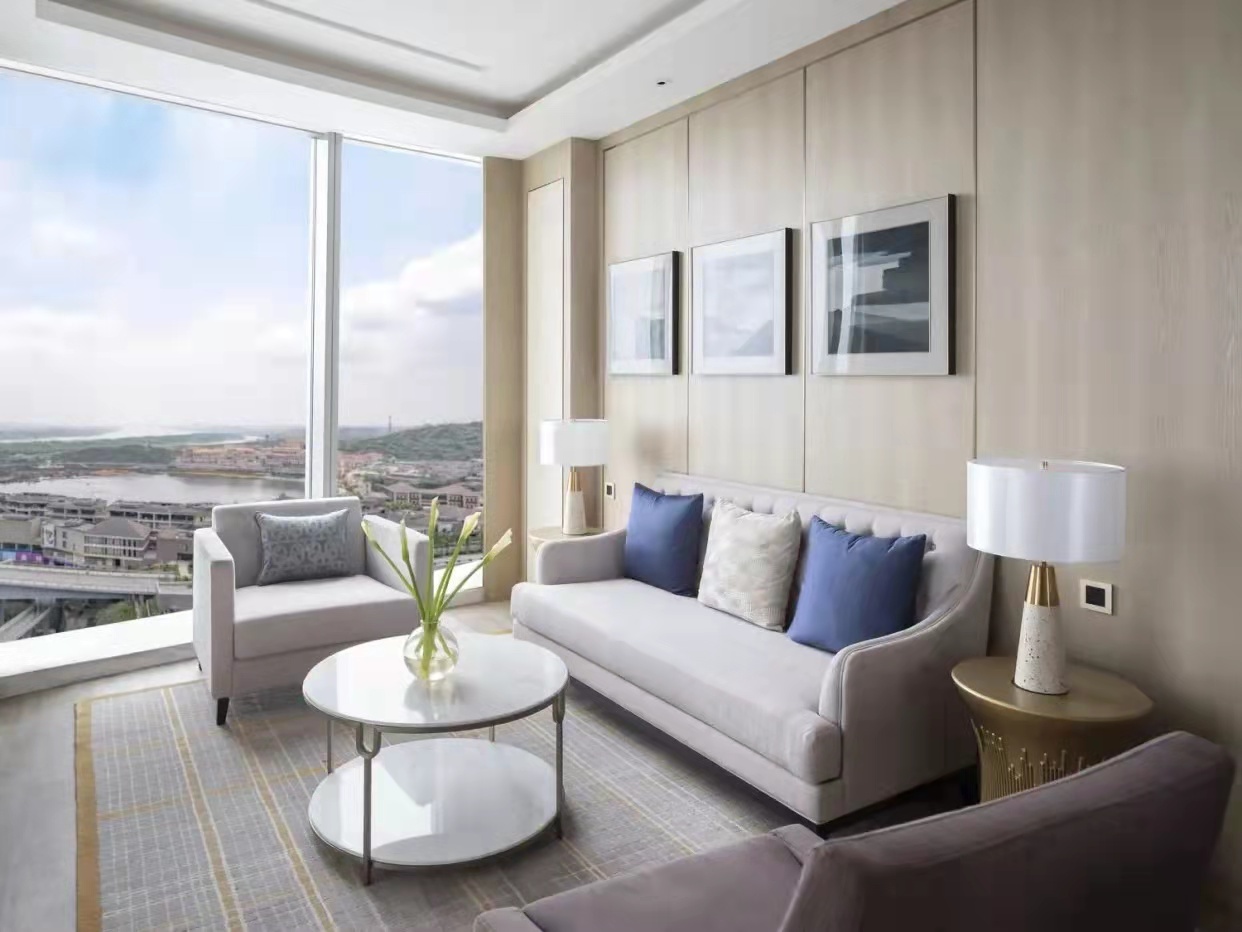
3. **Functional Furniture**: In addition to the bed, other furniture pieces play a vital role in the functionality of hotel bedroom suites. Nightstands, desks, and seating areas should be carefully chosen to match the suite's style and provide practical uses. Incorporating multifunctional furniture can maximize space and offer guests additional convenience. For example, a desk that doubles as a dining table can cater to business travelers and leisure guests alike.
4. **Lighting and Ambiance**: The lighting scheme in hotel bedroom suites can greatly influence the mood and atmosphere. A combination of ambient, task, and accent lighting can create a warm and inviting environment. It’s essential to provide adjustable lighting options that allow guests to create their preferred atmosphere, whether that’s a bright workspace or a cozy sleep environment.
5. **Personal Touches and Technology**: Incorporating personal touches, such as artwork or local decor, can make hotel bedroom suites feel unique and inviting. Additionally, integrating modern technology, such as charging ports, smart TVs, and high-speed Wi-Fi, caters to the needs of today’s travelers, enhancing their overall experience.
6. **Aesthetic Appeal**: Finally, the aesthetic appeal of hotel bedroom suites cannot be overlooked. The choice of colors, materials, and decor should reflect the brand and targeted clientele. A well-coordinated color scheme and carefully selected furnishings contribute to an inviting atmosphere that encourages guests to return.
In conclusion, designing hotel bedroom suites requires a thoughtful approach to furniture selection and spatial organization. By focusing on comfort, functionality, and aesthetic appeal, hotels can create an environment that promotes relaxation and enhances the overall guest experience.
Hotel bedroom suites are critical components of the hospitality industry, serving as the primary resting and relaxation spaces for guests. The design and arrangement of these suites can greatly impact the overall guest experience, making it essential to understand the key elements that contribute to their effectiveness.
1. **Space Planning**: Effective space planning is crucial in hotel bedroom suites. The layout should allow for easy movement while optimizing the use of space. A well-designed suite typically includes a sleeping area, a living space, and a bathroom. Consideration should be given to the placement of furniture to create a natural flow, making it easy for guests to navigate the area.
2. **Quality Bed Furniture**: The centerpiece of any hotel bedroom suite is the bed. A high-quality mattress, paired with suitable bed frames and linens, can significantly enhance guest comfort. It is essential to select bed furniture that not only complements the overall aesthetic of the suite but also provides the necessary support for a good night’s sleep. The choice of pillows and bedding materials should also cater to different preferences to ensure guest satisfaction.
3. **Functional Furniture**: In addition to the bed, other furniture pieces play a vital role in the functionality of hotel bedroom suites. Nightstands, desks, and seating areas should be carefully chosen to match the suite's style and provide practical uses. Incorporating multifunctional furniture can maximize space and offer guests additional convenience. For example, a desk that doubles as a dining table can cater to business travelers and leisure guests alike.
4. **Lighting and Ambiance**: The lighting scheme in hotel bedroom suites can greatly influence the mood and atmosphere. A combination of ambient, task, and accent lighting can create a warm and inviting environment. It’s essential to provide adjustable lighting options that allow guests to create their preferred atmosphere, whether that’s a bright workspace or a cozy sleep environment.
5. **Personal Touches and Technology**: Incorporating personal touches, such as artwork or local decor, can make hotel bedroom suites feel unique and inviting. Additionally, integrating modern technology, such as charging ports, smart TVs, and high-speed Wi-Fi, caters to the needs of today’s travelers, enhancing their overall experience.
6. **Aesthetic Appeal**: Finally, the aesthetic appeal of hotel bedroom suites cannot be overlooked. The choice of colors, materials, and decor should reflect the brand and targeted clientele. A well-coordinated color scheme and carefully selected furnishings contribute to an inviting atmosphere that encourages guests to return.
In conclusion, designing hotel bedroom suites requires a thoughtful approach to furniture selection and spatial organization. By focusing on comfort, functionality, and aesthetic appeal, hotels can create an environment that promotes relaxation and enhances the overall guest experience.
Online Message
*We will contact you as soon as possible after receiving your message!
Friendly Links: