


Boutique Hotel Bedroom Furniture: Must-Know Trends for a Stylish Stay
Publish Time:
2025-10-14
Boutique Hotel Bedroom Furniture: Must-Know Trends for a Stylish Stay
Table of Contents
- Introduction to Boutique Hotel Bedroom Furniture
- 1. Sustainable and Eco-Friendly Materials
- 2. Multi-Functional Furniture
- 3. Bold Colors and Textures
- 4. Vintage and Antique Influences
- 5. Technology Integration in Furniture
- 6. Customization and Personalization
- 7. Statement Lighting Fixtures
- Conclusion
- Frequently Asked Questions
Introduction to Boutique Hotel Bedroom Furniture
In the world of hospitality, creating an inviting and memorable atmosphere is crucial for any boutique hotel aiming to stand out in a competitive market. Boutique hotel bedroom furniture plays a pivotal role in establishing a unique identity, offering guests comfort while reflecting the hotel’s brand. As design trends evolve, it’s essential for hotel owners and interior designers to stay informed about the latest developments in furniture styles, materials, and functionalities. This article explores the key trends that are shaping boutique hotel bedroom furniture in 2023 and beyond.
1. Sustainable and Eco-Friendly Materials
The trend toward sustainability is not just a passing fad; it is a fundamental shift in how we approach design in the hospitality industry. Boutique hotels are increasingly opting for **eco-friendly materials** that reduce their carbon footprint and appeal to environmentally-conscious guests.
**Natural Wood:** Furniture made from sustainably sourced wood offers a warm, inviting look while promoting responsible forestry practices. Reclaimed wood is especially popular, giving a rustic, vintage feel that tells a story.
**Bamboo and Cork:** These renewable resources are not only stylish but also incredibly durable. Bamboo furniture is lightweight but strong, making it a practical choice for hotels looking to minimize weight in their furnishings.
**Recycled Materials:** Incorporating recycled metals and plastics into furniture design adds a contemporary touch, ensuring that the hotel’s aesthetic remains modern while contributing to environmental conservation.
This trend not only appeals to guests' preferences but also reflects a commitment to sustainability, enhancing the hotel's reputation.
2. Multi-Functional Furniture
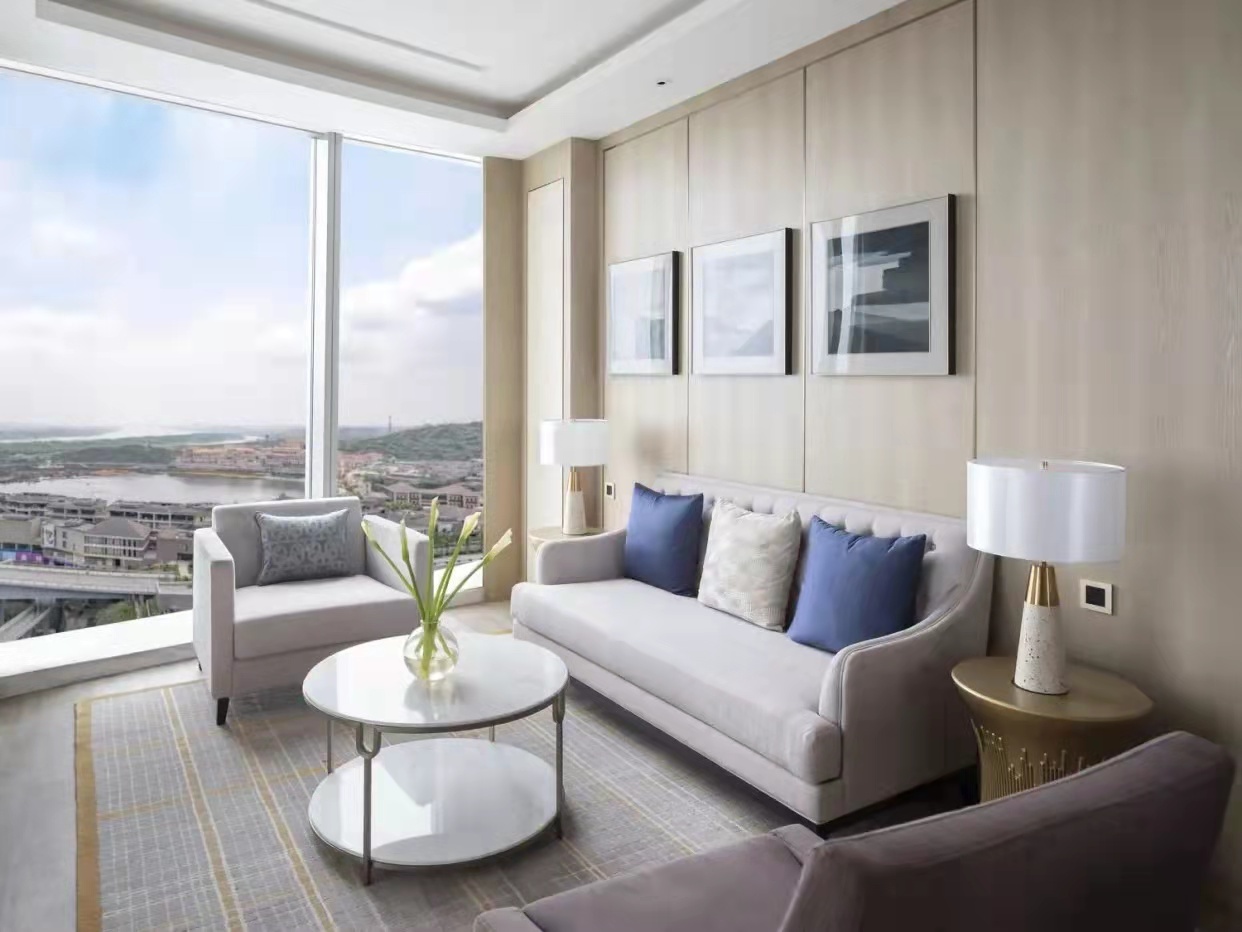
As space becomes increasingly limited in urban environments, multi-functional furniture is gaining traction in boutique hotel design. These versatile pieces serve multiple purposes, catering to the needs of modern travelers.
**Sofa Beds:** Providing both comfort and functionality, sofa beds are ideal for hotels catering to families or groups. With stylish designs, they seamlessly blend with the overall decor while offering additional sleeping space.
**Storage Solutions:** Beds with built-in storage drawers or ottomans that open up for storage help guests keep their belongings organized without cluttering the room. This practical approach enhances the guest experience by promoting a tidy environment.
**Modular Furniture:** Modular design allows for flexibility in room layouts. Furniture that can be rearranged or reconfigured according to guest needs ensures that each stay can feel personalized and unique.
By incorporating multi-functional furniture, boutique hotels can maximize their space, proving that style and practicality can coexist.
3. Bold Colors and Textures
Gone are the days of muted palettes and bland designs. Boutique hotels are embracing bold colors and rich textures to create memorable spaces that resonate with guests.
**Vibrant Accents:** Using splashes of color in furniture pieces, such as bright velvet chairs or patterned rugs, can bring a room to life. These accents can reflect the surrounding environment or the hotel’s theme, creating a cohesive design narrative.
**Textured Fabrics:** Luxurious materials like bouclé, linen, and leather add depth to the decor. Combining different textures, such as a sleek sofa paired with a chunky knit throw, creates an inviting atmosphere that encourages relaxation.
**Statement Pieces:** Incorporating a few standout furniture items, like an oversized art deco chair or a uniquely shaped coffee table, can serve as focal points in the room, sparking conversation and intrigue among guests.
By taking risks with color and texture, boutique hotels can cultivate a distinctive style that leaves a lasting impression.
4. Vintage and Antique Influences
Incorporating vintage and antique pieces into boutique hotel bedroom furniture is a trend that speaks to the charm and character of bygone eras. These elements can create a timeless feel that resonates with guests seeking a unique experience.
**Antique Furniture:** An antique nightstand or dresser can serve as a conversation starter and a focal point in the room. These pieces often come with a history, adding to the narrative of the space.
**Vintage Accents:** Vintage mirrors, artwork, and decor items can enhance the room's aesthetic, creating a curated look that feels personal and inviting. These details can reflect the local culture or the hotel's overarching theme.
**Mixing Styles:** Combining modern furniture with vintage pieces allows for a playful interaction between different design eras. This eclectic approach not only adds character but also ensures that each room feels distinct.
By opting for vintage and antique influences, boutique hotels can create a sense of nostalgia while fostering a connection with their guests.
5. Technology Integration in Furniture
As technology continues to evolve, integrating smart features into furniture design is becoming increasingly important in boutique hotels. This trend enhances guest convenience and comfort.
**Smart Beds:** Adjustable beds that allow guests to control firmness and position with the touch of a button cater to individual comfort preferences, ensuring a restful night's sleep.
**Charging Stations:** Incorporating USB ports and wireless charging pads into bedside tables and desks allows guests to charge their devices conveniently, catering to the increasingly tech-savvy traveler.
**Smart Lighting:** Furniture integrated with smart lighting capabilities can create mood settings, enabling guests to personalize their space and enhance their overall experience.
By embracing technology, boutique hotels can provide a seamless blend of comfort and innovation, adding value to the guest experience.
6. Customization and Personalization
In today’s hospitality landscape, personalization is key. Boutique hotels are increasingly moving towards customized furniture solutions that cater to the unique tastes and preferences of their clientele.
**Tailored Designs:** Offering furniture designed specifically for the hotel allows for a cohesive look that aligns with the brand’s identity. Custom upholstery, unique finishes, and personalized layouts can make a space feel uniquely theirs.
**Local Artisans:** Collaborating with local craftsmen to create bespoke furniture pieces not only supports the community but also adds a local touch to the hotel’s design. This can enhance guests' connections to the area.
**Guest Input:** Some hotels are now soliciting feedback from guests regarding their design preferences, leading to furniture choices that resonate more deeply with their target audience. This level of engagement fosters loyalty and repeat visits.
By focusing on customization, boutique hotels can differentiate themselves in a saturated market and create a memorable guest experience.
7. Statement Lighting Fixtures
Lighting is a crucial aspect of any design, and boutique hotels are using statement lighting fixtures to make bold design statements. These fixtures not only illuminate the space but also serve as artistic elements that enhance the overall decor.
**Chandeliers:** A striking chandelier can serve as the centerpiece of a room, drawing the eye upward and adding an element of luxury. Modern designs or vintage replicas can be selected based on the hotel’s theme.
**Sculptural Lamps:** Unique floor and table lamps can add personality and character, transforming a simple room into a design statement. These functional pieces can enhance the aesthetic while offering practical lighting solutions.
**Layered Lighting:** Combining ambient, task, and accent lighting provides flexibility and enhances the mood of the room. This approach allows guests to tailor their lighting preferences, creating an environment that suits their needs.
Utilizing statement lighting fixtures not only elevates the room's design but also impacts the overall guest experience, making it more memorable.
Conclusion
The world of boutique hotel bedroom furniture is dynamically evolving, influenced by trends that prioritize sustainability, functionality, style, and personalization. By embracing these trends, boutique hotels can create inviting atmospheres that resonate with guests on multiple levels. As travelers increasingly seek unique experiences, investing in contemporary furniture that reflects the latest design innovations will help hotels stand out in a competitive landscape.
Overall, the right furniture choices can significantly enhance the guest experience, making their stay not just comfortable, but unforgettable. By staying attuned to these trends, boutique hotels can craft spaces that not only meet but exceed guests' expectations.
Frequently Asked Questions
1. What are boutique hotel bedroom furniture trends for 2023?
Boutique hotel bedroom furniture trends for 2023 include sustainable materials, multi-functional pieces, bold colors, vintage influences, and technology integration.
2. How can I create a sustainable hotel bedroom design?
To create a sustainable hotel bedroom design, choose eco-friendly materials, incorporate energy-efficient lighting, and opt for furnishings made from recycled or reclaimed materials.
3. What type of furniture is best for maximizing space in hotel rooms?
Multi-functional furniture, such as sofa beds, storage ottomans, and modular pieces, is ideal for maximizing space in hotel rooms.
4. How can I personalize guest experiences in a boutique hotel?
Personalizing guest experiences can be achieved by offering customized furniture options, soliciting guest preferences, and collaborating with local artisans for bespoke pieces.
5. Why is lighting important in hotel room design?
Lighting is crucial in hotel room design as it sets the mood, enhances functionality, and can serve as a striking design element, impacting the overall guest experience.
Online Message
*We will contact you as soon as possible after receiving your message!
Friendly Links: