



How to balance functionality and aesthetics in conference room furniture?
Publish Time:
2024-10-08
Meeting rooms are important spaces for internal communication, decision-making, and presentations within a company. Good furniture enhances the overall user experience, perfectly combining functionality and aesthetics. Here are some ways to balance these two aspects:
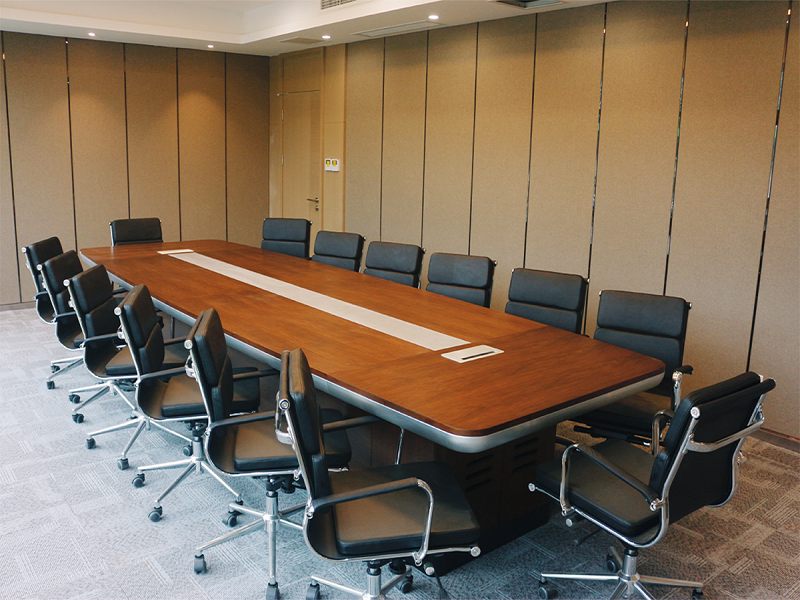
1. Determine the Functional Needs of the Meeting Room
Multi-purpose Design:
Determine the primary use of the meeting room, such as formal meetings, training sessions, or team brainstorming. Select appropriate furniture for different purposes, such as extendable meeting tables or modular seating, to ensure the space can be flexibly adjusted.
Technology Integration:
Configure modern technological equipment, such as video conferencing systems and projection equipment. When selecting furniture, reserve space and interfaces to ensure the equipment functions properly and avoid clutter.
2. Emphasize Comfort and Collaboration
Ergonomic Chairs:
Use ergonomic chairs to provide a comfortable experience during long meetings. Reclining backrests, soft cushions, and the right height are important selection criteria.
Layout that Facilitates Interaction:
Use a U-shaped or circular seating arrangement to facilitate visual communication among participants and help create an open communication atmosphere.
3. Strive for Aesthetics and Consistency
Unified Design Style:
Ensure that the furniture style is consistent with the company's brand image. Choose colors, materials, and design styles that coordinate with other spaces in the company to enhance the overall visual experience.
Art and Decoration:
Use artwork, wall decorations, or plants appropriately to enhance the aesthetics of the meeting room. However, be careful not to make it too cluttered and maintain a professional atmosphere.
4. Flexibility and Innovation
Adjustable and Mobile Furniture:
Choose lightweight, easily movable furniture so that the meeting room can quickly change its purpose to suit different types of meeting needs.
Innovative Design Elements:
Use innovative designs, such as folding tables or built-in whiteboards, to add a modern and practical touch to the meeting room.
5. Consider Lighting and Acoustics
Lighting Configuration:
Optimize the use of natural light and choose adjustable lighting to suit the lighting needs of different meeting scenarios.
Acoustic Optimization:
Choose wall or carpet materials to reduce noise interference and improve meeting privacy and clarity.
6. Sustainability and Environmental Protection
Eco-friendly Materials:
Choose furniture made from renewable or environmentally friendly materials to demonstrate the company's social responsibility while ensuring aesthetics and functionality.
Summary
In the configuration of meeting room furniture, functionality and aesthetics are inseparable parts. Through reasonable design and layout, companies can create a meeting space that is both practical and elegant. Focusing on ergonomics, technology integration, artistic design, and environmental harmony not only improves employee meeting experiences but also enhances the company's professional image and cultural identity.
Online Message
*We will contact you as soon as possible after receiving your message!
Friendly Links: