


What are the general customization needs for office cubicles?
Publish Time:
2024-09-30
In modern office environments, the flexibility and functionality of booth designs directly impact employee productivity and comfort. The following are Custom-designed office booths some common needs and considerations.
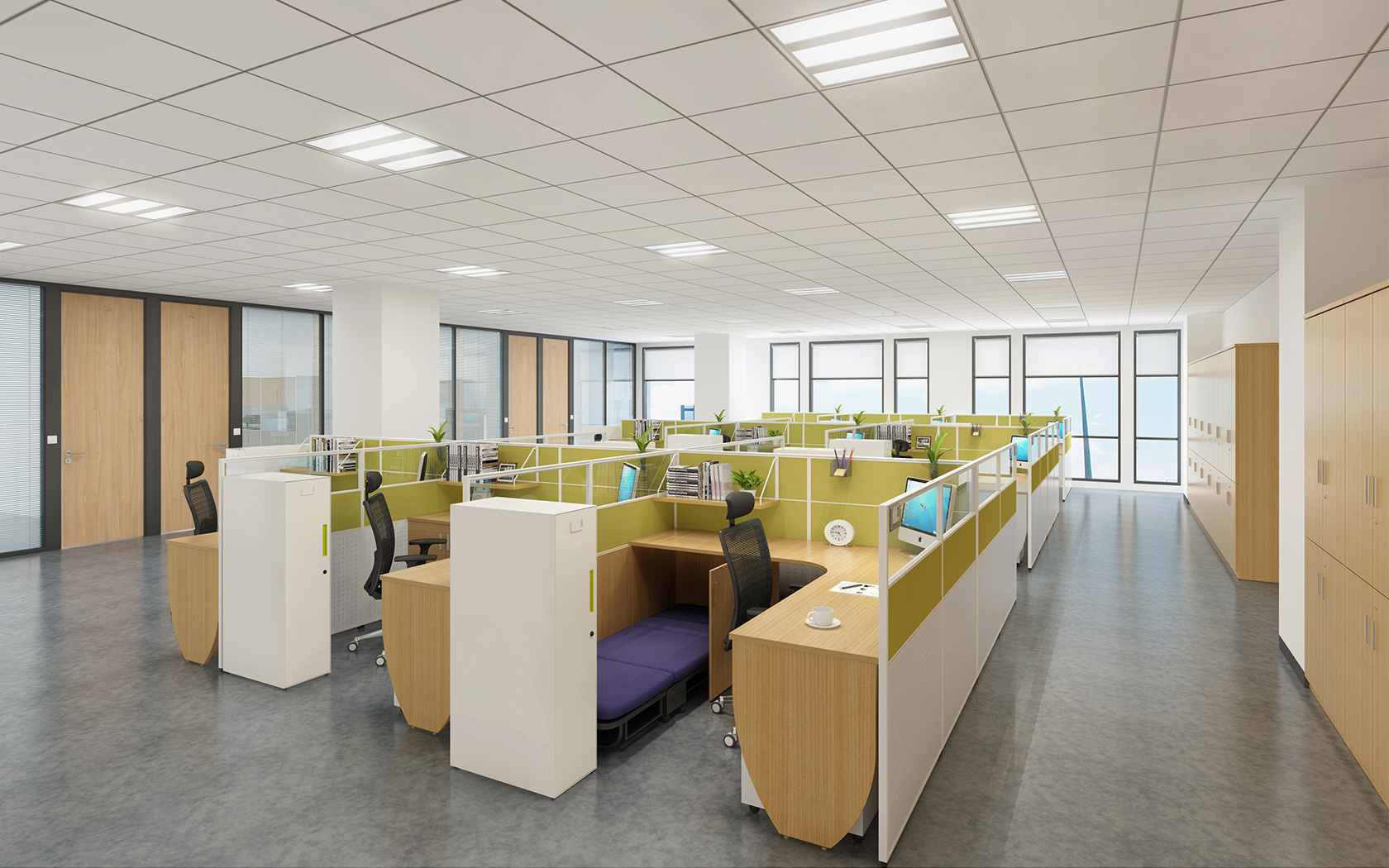
1. Space Planning
Layout Optimization:
Booth design should fully consider the office's actual layout and area, ensuring maximum space utilization while maintaining clear passageways and convenient access to emergency exits.
Team Needs:
Based on team size and work characteristics, design open, semi-open, or enclosed booths to support collaborative or focused work needs.
2. Ergonomics
Comfortable Design:
Booth height, desk size, and seat adjustability should meet ergonomic standards to reduce fatigue and discomfort from prolonged work.
Health Considerations:
Considering that employees spend long hours working at desks, options like height-adjustable desks can improve health.
3. Privacy and Communication
Privacy Protection:
Appropriate partitions and curtains should be designed to ensure employees have a certain amount of privacy when needed, avoiding unnecessary interruptions.
Communication Convenience:
In some cases, booths should also support team communication. The design can include designated discussion areas or low partitions.
4. Materials and Durability
High-Quality Materials:
Use durable, environmentally friendly materials such as high-density boards and wear-resistant coatings to ensure long-term booth use.
Antibacterial and Easy to Clean:
Especially under pandemic conditions, using easy-to-clean and antibacterial materials is a necessary choice.
5. Technology Integration
Power Management:
Integrate power outlets and USB ports into the booths for convenient device charging.
Data Cabling:
Reserve network interfaces and cable management systems to ensure a clean and orderly work environment.
6. Aesthetics and Corporate Culture
Visual Design:
The booth style should match the corporate culture and brand image. Colors, materials, and design styles can be adjusted according to the company's tone.
Personalized Customization:
To meet the unique needs of different companies, personalized customization of colors, logos, and markings can be chosen.
7. Environment and Sustainability
Green Design:
Choose sustainable materials and production methods to demonstrate the company's support for environmental responsibility.
Natural Light Utilization:
Optimize the use of natural light during layout design to improve employee comfort and energy efficiency.
8. Cost and Budget
Budget Control:
When customizing booths, appropriate materials and functions should be selected according to the budget to achieve the best cost-effectiveness.
Long-Term Investment:
Considering the service life and depreciation of the booths, choosing a design that combines durability and functionality will be a better long-term investment.
Summary
Customizing office booths requires considering various factors such as space, personnel, functionality, and aesthetics. The goal is to provide a comfortable and efficient work environment while reflecting corporate culture and brand characteristics. A good custom design not only improves employee work experience but also enhances the company's overall image and efficiency. Choosing a professional design team and supplier will better achieve these goals.
Online Message
*We will contact you as soon as possible after receiving your message!
Friendly Links: