



School Furniture Selection and Design: Enhancing the Learning Environment and Educational Experience
Publish Time:
2024-09-25
In the modern educational environment, the selection and design of school furniture is crucial to enhancing students' learning experience. Good furniture design not only improves comfort but also promotes interaction and learning efficiency. The following are some basic design points and considerations. School Furniture Several Basic Design Points and Considerations
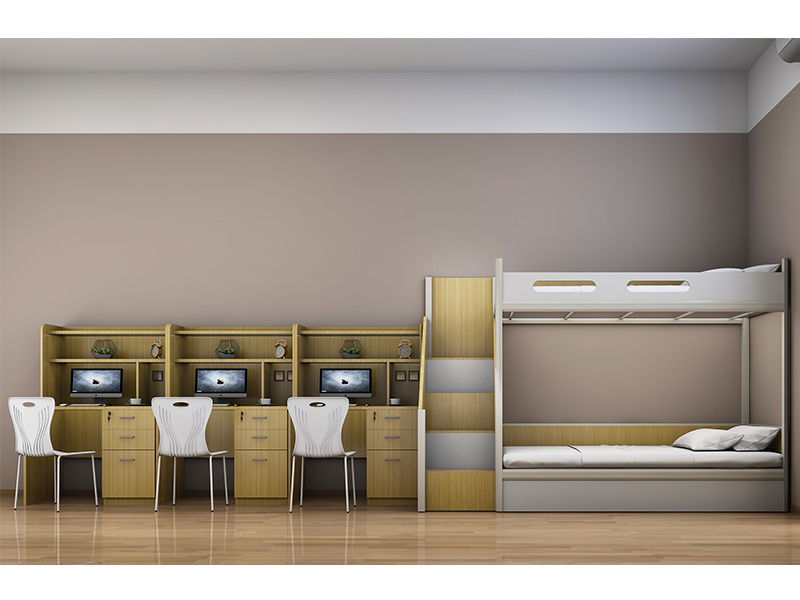
1. Comfort and Functionality
Ergonomic Design:
Desks and chairs should meet ergonomic standards. The height of the seats and the size of the desks should be adapted to the needs of students of different ages to ensure comfort during prolonged use.
Multi-functionality:
Choose adjustable and foldable desks and chairs to increase the flexibility of the furniture and adapt to different teaching activities and classroom layouts.
2. Safety and Durability
Robustness and Durability:
Use high-quality materials to manufacture furniture, such as solid wood and metal frames, to ensure a strong structure and prevent damage during daily use.
Safety:
The edges and corners of the furniture should have a smooth design to prevent student injuries. At the same time, use environmentally friendly paints and materials to avoid harmful substances affecting health.
3. Interaction and Collaboration
Mobility and Modularity:
Choose lightweight and easily movable furniture to facilitate quick arrangement and adjustment of the classroom, encouraging group discussions and collaborative learning.
Innovative Design:
Introduce novel design elements, such as concentric circle seating and modular desks and chairs, to create an open and interactive learning space.
4. Color and Atmosphere
Inspiring Creativity:
Through bright and vivid color design, inspire students' creativity and positivity. Color choices should be unified with the overall style of the school to create a positive and upward learning atmosphere.
5. Sustainable Development
Eco-friendliness:
Prioritize the use of renewable and recyclable materials, support environmental protection policies, and enhance students' environmental awareness.
Energy-efficient Design:
Consider optimizing lighting when designing furniture to reduce energy consumption and improve resource utilization efficiency.
Conclusion
The design of school furniture not only needs to meet basic functional and safety requirements but should also consider the needs of modern education for flexibility and interactivity. Whether it is desks, chairs, or other learning equipment, attention should be paid to details and reflect support for students' growth and development. Through reasonable furniture design, schools can create a comfortable, healthy, and efficient learning environment to promote the development of education.
Online Message
*We will contact you as soon as possible after receiving your message!
Friendly Links: