


What are the components of office furniture?
Publish Time:
2024-09-24
In modern offices, furniture not only meets basic work needs but also plays a role in improving employee comfort and shaping corporate culture. The following is a detailed introduction to the main categories of furniture typically included in an office.
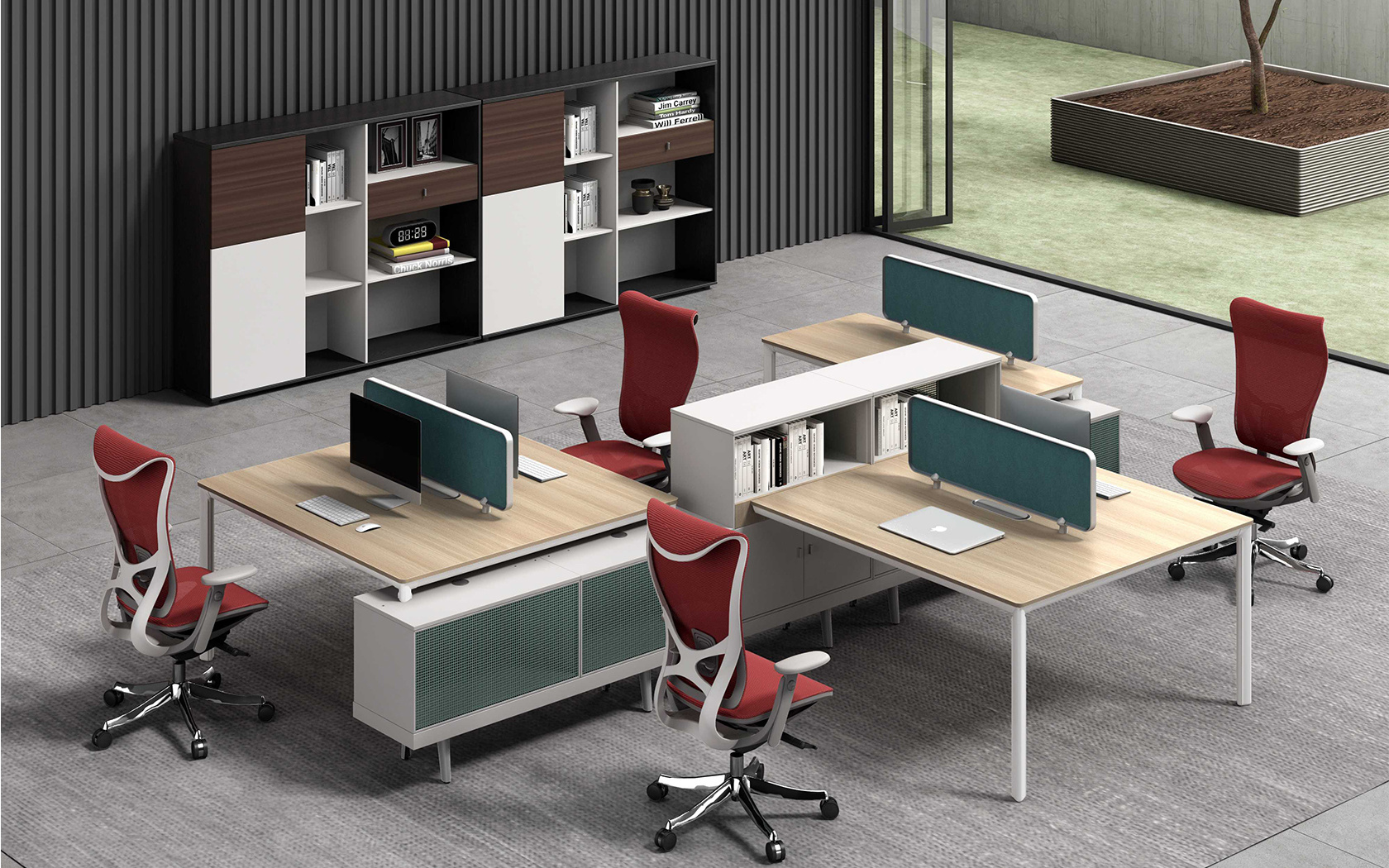
1. Office Desks
Office desks are a fundamental piece of infrastructure, and come in a wide variety of types, including computer desks, writing desks, and conference tables. The design and size of office desks vary depending on their intended use. For example, adjustable-height desks can meet employee needs for comfort and ergonomics.
2. Office Chairs
Comfortable office chairs are an important element in improving work efficiency. Modern office chairs typically feature ergonomic designs, providing lumbar support, adjustable height, and adjustable backrest angles. Different types of meeting chairs and lounge chairs also have design features that prioritize different needs.
3. Storage Cabinets
Storage cabinets are key to maintaining a tidy office environment. These include filing cabinets, drawer cabinets, bookshelves, and personal storage cabinets, providing ample storage space for managing files and items. Locking features and mobility are important design considerations.
4. Screens and Partitions
Screens and partitions are used to divide office spaces, providing employees with a degree of privacy and focused work areas. Depending on the material, screens can be made of wood, fabric, or glass, offering good sound insulation and visual appeal.
5. Conference Room Furniture
Conference rooms are typically equipped with conference tables, meeting chairs, and audio-visual equipment. The shape and size of the conference table are chosen according to the size of the conference room and its intended use, and flexible seating arrangements can accommodate different discussion formats.
6. Reception Area Furniture
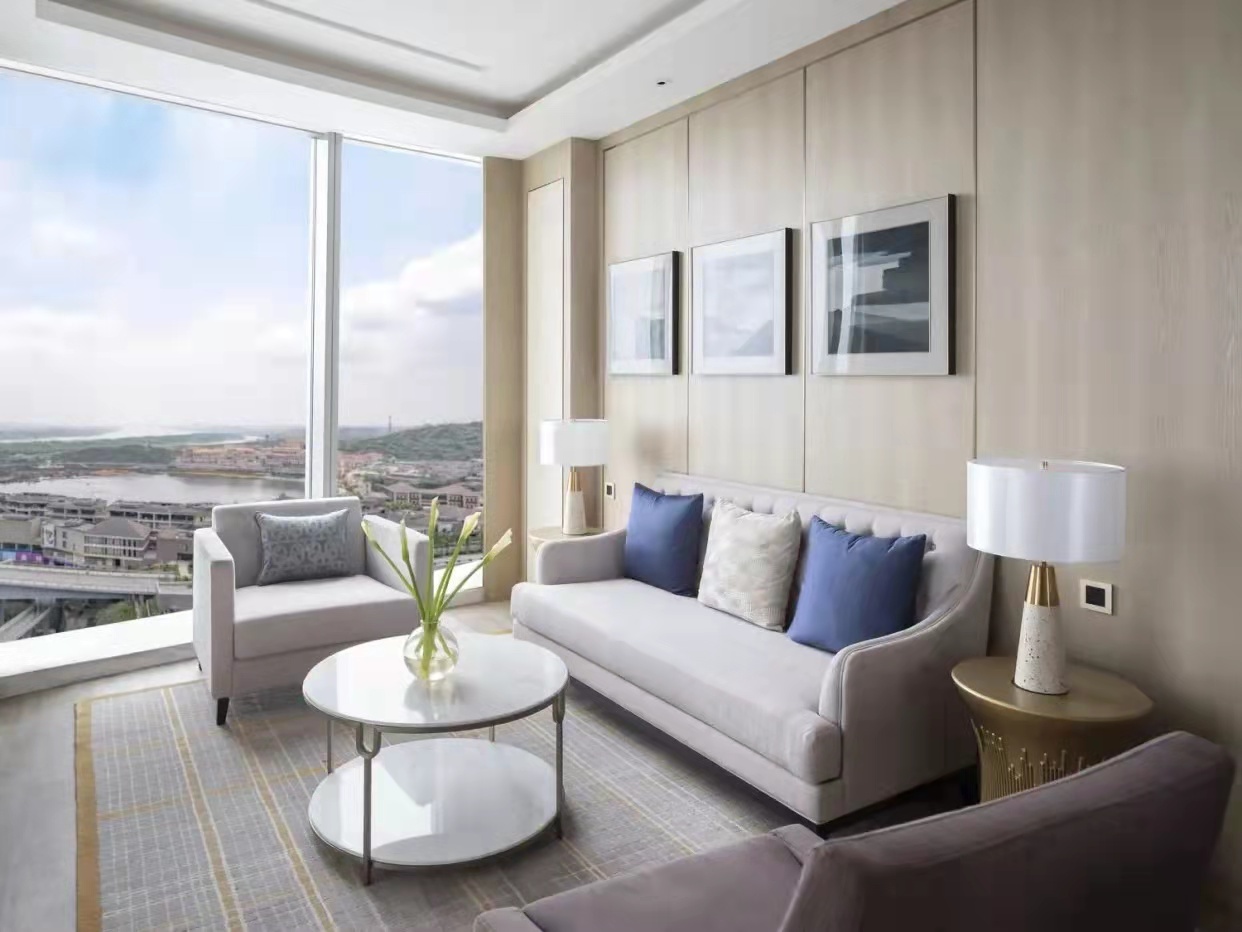
The reception area is a visitor's first impression of the company. Sofas, coffee tables, and reception desks are indispensable pieces of furniture in the reception area, typically emphasizing design and comfort to reflect the company's brand image.
7. Break Area Furniture
Many modern offices have break areas, equipped with comfortable sofas, game facilities, and reading nooks for employees to relax and socialize. This furniture typically features creative designs to create a relaxed atmosphere.
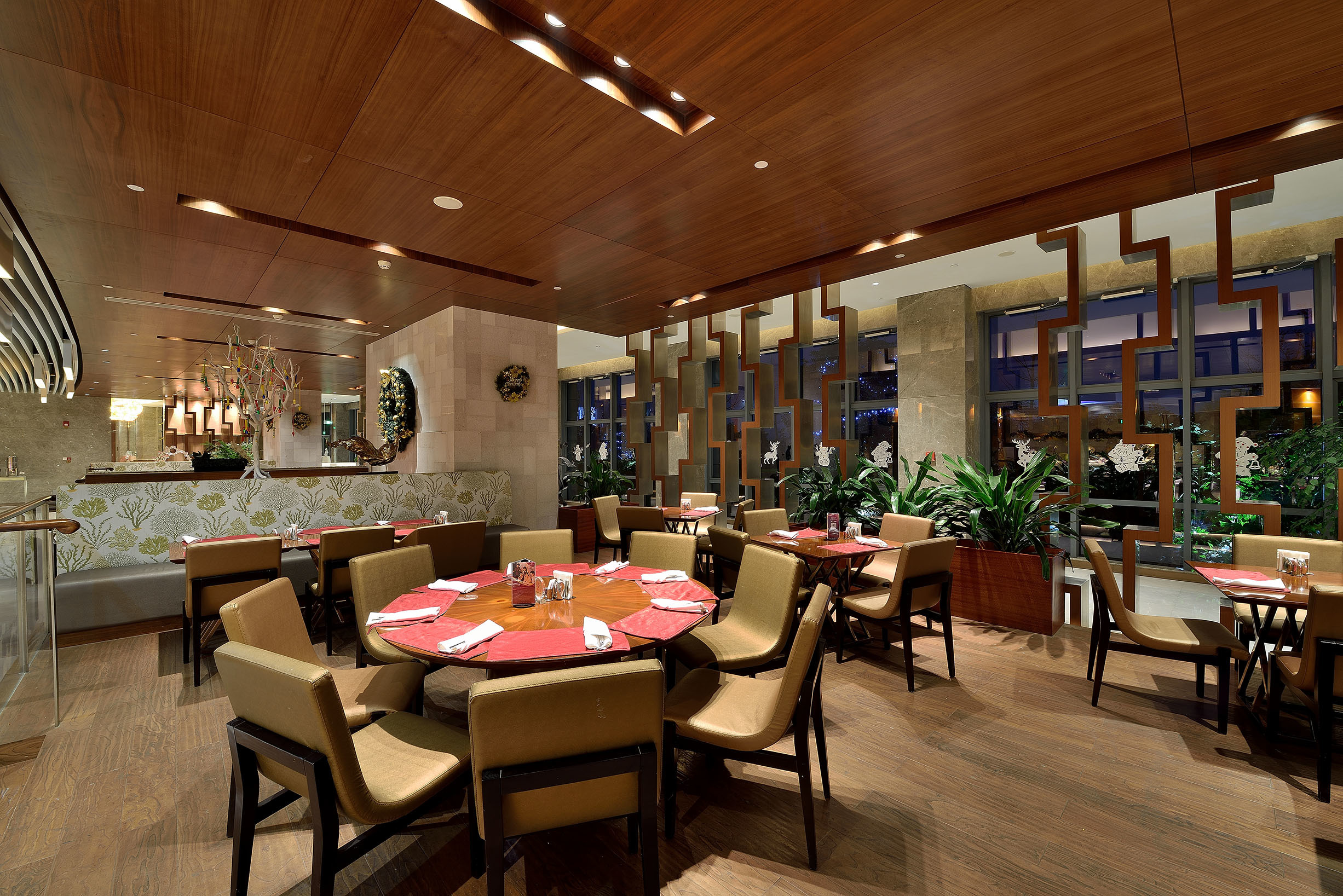
8. Dining Area Furniture
Dining area furniture includes dining tables, chairs, and small kitchen appliances. The design should consider both functionality and health and environmental principles to provide employees with a comfortable dining environment.
9. Multifunctional Furniture
Some innovative office spaces use multifunctional furniture, such as foldable tables and chairs, and modular storage units, to flexibly adapt to different scene needs. This type of furniture typically emphasizes space utilization and design innovation.
Conclusion
The selection and configuration of office furniture directly affects employee comfort, work efficiency, and the overall image of the company. By rationally matching desks, chairs, storage cabinets, partitions, and recreational facilities, companies can create an efficient, comfortable, and brand-aligned office environment. Understanding the functions and characteristics of different furniture can help companies create their ideal office space within budget.
Online Message
*We will contact you as soon as possible after receiving your message!
Friendly Links: