


What kind of furniture is generally found in a conference room?
Publish Time:
2024-09-20
Meeting rooms are important spaces for internal communication, decision-making, and external exchanges within a company. The furniture configuration directly impacts meeting efficiency and participant experience. Below is an overview of common furniture types and their functions in a meeting room.

1. Conference Table
The conference table is the core furniture in a meeting room, usually the visual focal point of the entire room. Its shape and size should be chosen based on the space and meeting type.
Rectangular conference table: Suitable for formal meetings, usually used in medium to large meeting rooms.
Round or oval conference table: Encourages open and round-table discussions, suitable for smaller meeting rooms.
Adjustable or modular conference table: Flexible configuration suitable for meeting rooms requiring multi-functionality.
2. Meeting Chairs
Choosing comfortable meeting chairs is especially important for long meetings. Here are some common types:
Ergonomic chairs: Provide lumbar support to help reduce fatigue.
Swivel chairs: Allow participants to move and interact freely.
Stackable chairs: Save space, suitable for multi-functional meeting rooms.
3. Storage Cabinets and Filing Cabinets
Provide storage space for the meeting room, allowing for storage of files, equipment, and other meeting necessities, keeping the meeting room tidy.
Mobile storage cabinets: Offer flexibility and can be moved as needed.
Wall-mounted filing cabinets: Save floor space, suitable for small meeting rooms.
4. Presentation Equipment
Modern meeting rooms are usually equipped with various presentation equipment to support multimedia presentations and video conferencing.
Projector and screen: Suitable for video presentations and large-scale reports.
Interactive whiteboard: Combines traditional writing with digital displays, suitable for brainstorming.
Video conferencing equipment: Includes cameras, microphones, and sound systems to support remote meetings.
5. Auxiliary Furniture
Depending on the specific needs of the meeting room, other furniture can also enhance the flexibility and functionality of the space.
Side tables next to the conference table: Provide extra space for equipment or materials.
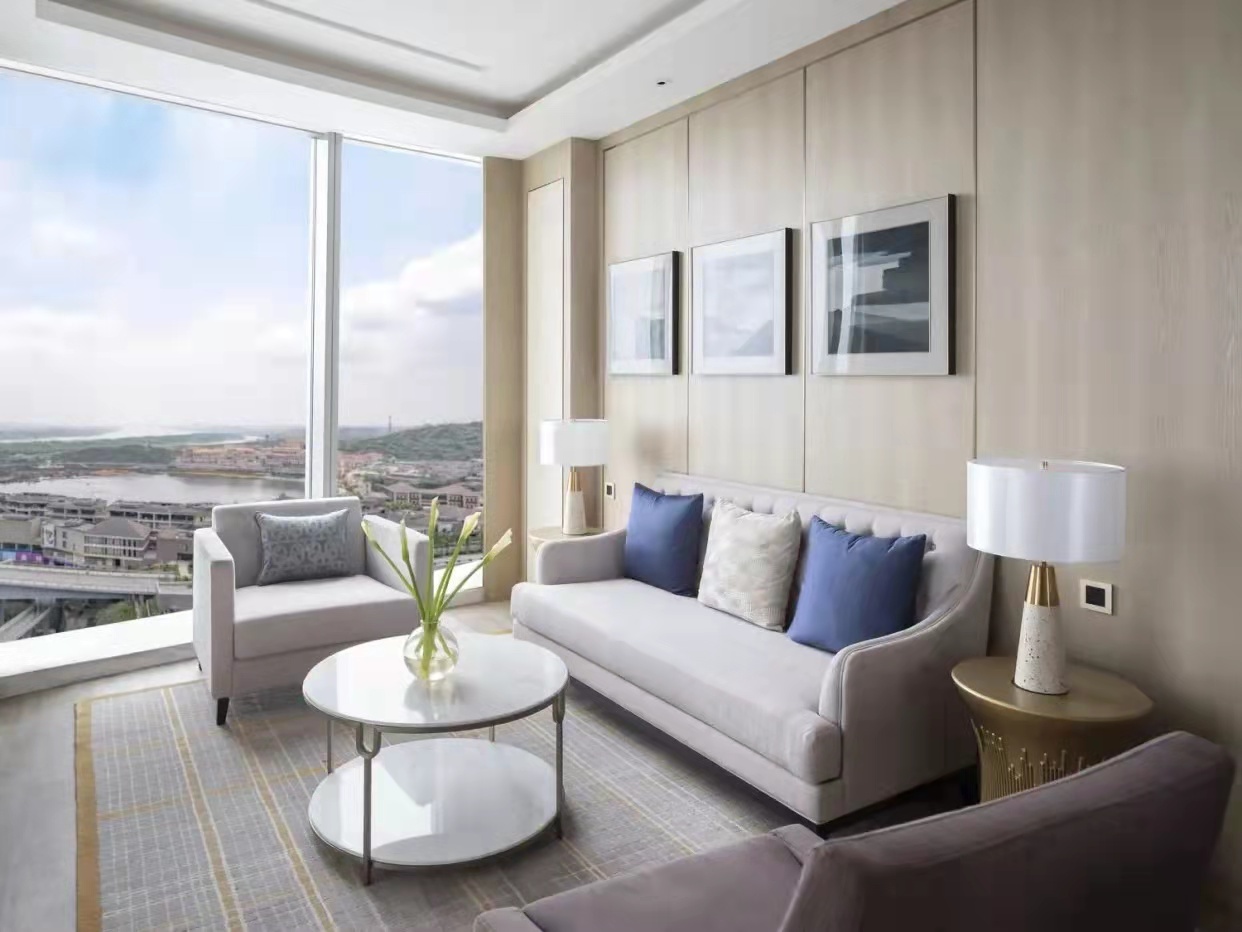
Coffee tables and small side tables: For break areas, increasing comfort.
Chalkboard or glass board: For writing and immediate recording.
Configuration Suggestions
Space Planning
Utilize the size and shape of the room to configure appropriate furniture, ensuring everyone has enough space to stretch out.
Design Style
Choose a furniture style that matches the company culture and image to enhance the overall feel and professionalism of the space.
Technology Integration
Modern meeting rooms should integrate current technology trends to allow participants to quickly access various electronic devices.
Conclusion
The configuration of meeting room furniture is more than just choosing the right tables and chairs; it involves comprehensive planning based on meeting types, company culture, and space size. Through reasonable furniture selection and layout design, companies can build an efficient, comfortable, and modern meeting environment to support communication and development.
Online Message
*We will contact you as soon as possible after receiving your message!
Friendly Links: