


How can a custom furniture brand for boutique hotels reflect regional cultural characteristics in its designs?
Publish Time:
2024-12-04
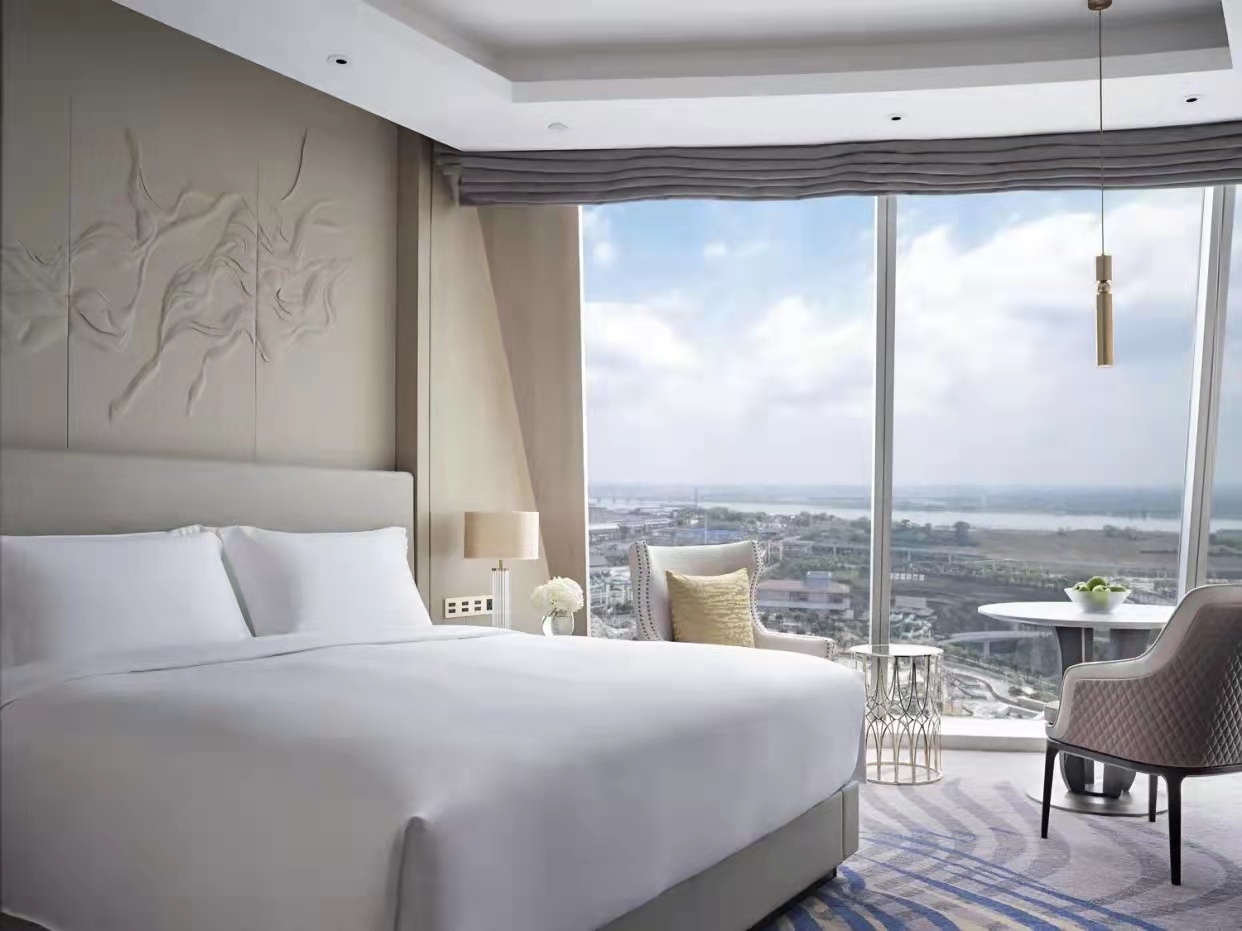
In the design of boutique hotels, furniture is not merely a functional element but also an important medium for conveying culture and regional characteristics. For a boutique hotel that pursues a unique style and in-depth experience, incorporating regional cultural characteristics into custom furniture can enhance the overall atmosphere and attract more guests who hope to experience the local culture during their stay. Below, we will explore how to reflect this characteristic through custom furniture.
1. In-depth Research of Regional Culture
Any design begins with understanding and research. For brands that want to integrate regional culture, it is particularly important to thoroughly understand the local history, traditional crafts, art forms, and customs. This can include:
Traditional crafts: Investigate local traditional handicrafts, such as weaving, carving, and dyeing, and incorporate these elements into furniture design.
Historical elements: Research local historical buildings, traditional clothing patterns, or ancient legends, and extract them as design inspiration.
Local materials: Investigate locally available natural materials, such as unique woods or textiles, to reflect geographical and ecological characteristics.
2. Cooperation and Co-creation
Collaborating with local artists and craftsmen is an effective way to reflect local characteristics. This not only increases the authenticity of the design but also promotes cultural exchange and inheritance. For example:
Artist collaboration: Invite local artists to design decorative details for furniture, such as carvings, paintings, or textile patterns.
Craftsman workshops: Establish cooperation with local craftsmen to add handmade details to the design and preserve traditional skills.
3. Clever Use of Color and Pattern
Color and pattern are two very intuitive and powerful elements in design that can be used to reflect the cultural characteristics of a region. Designers can:
Main color selection: Use colors from the local natural scenery and traditional clothing as the main colors of the room, such as the soil color scheme of desert areas or the green of forest areas.
Pattern design: Incorporate unique patterns from the local culture, such as unique geometric patterns, plant patterns, or ethnic imprints, to enhance the cultural atmosphere.
4. Combining Function and Culture
Design is not only about visual aesthetics but also needs to consider the practical function of furniture and combine it with cultural elements. For example:
Functional design: Incorporate local lifestyles into the functional design of furniture, such as using furniture of a specific shape to imitate the structure of local traditional buildings.
Combining inspiration and practicality: Furniture design inspired by local cultural activities, such as a special tea table for tea ceremony experiences, or a dining table design suitable for local dining culture.
5. Story and Experience
Each piece of furniture can be a carrier that tells the story of local culture. Through design and customization, let furniture not only be a visual and usage experience but also a storyteller of culture and history.
Custom details: Carve or print details on the furniture that can tell local stories, allowing residents to resonate culturally during use.
Interactive design: Design interactive furniture that allows guests to feel the charm of the culture during use, such as a freely adjustable traditional screen.
Conclusion
In boutique hotels, furniture design is not only about aesthetics and practicality but can also reflect profound local culture. This design not only increases the attractiveness of the boutique hotel but also provides guests with an unforgettable cultural experience. By thoroughly researching local culture, collaborating with artists and craftsmen, cleverly using color and pattern, and exploring storytelling and interactive design, boutique hotel furniture customization brands can stand out in the global trend and create unique spaces with local characteristics.
Online Message
*We will contact you as soon as possible after receiving your message!
Friendly Links: